The Hidden Truth Your Fingernails Reveal About How Long You Will Live
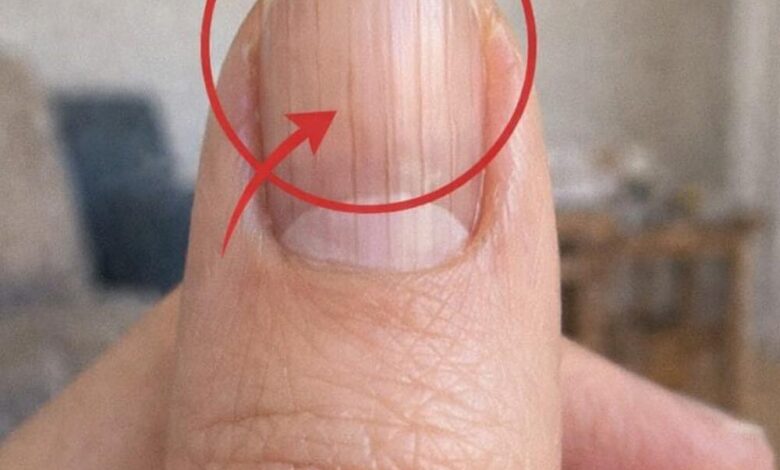
In the modern era of wellness and longevity research, people are constantly looking for new ways to measure their biological age and overall vitality. The concept that your fingernails can offer a window into your internal health has gained tremendous traction in recent years. Discussions surrounding this topic have been popularized by prominent longevity experts like David Sinclair, who emphasize the importance of monitoring the body’s internal cellular processes. While some internet trends and sensationalized claims might overstate exactly what your nails can predict, there is a very real, scientifically grounded basis for paying close attention to them. Your hands are exposed to the elements every single day, and the keratin structures at the tips of your fingers are constantly reacting to the environment and to the internal state of your body.
At the center of this medical discussion is not a single dramatic sign that can predict the exact day you will pass away. Rather, it is a much more subtle indicator: the speed at which your nails grow over a prolonged period of time.
The Science of Cellular Regeneration
The rate at which your fingernails grow is a direct reflection of the speed at which your body produces new cells. When your body is functioning at peak efficiency, cellular regeneration is highly active. Conversely, a noticeable slowing in nail growth can suggest a gradual decline in these essential metabolic and regenerative processes. This decline is a natural part of the aging process, but the rate of decline varies drastically from person to person depending on genetics, diet, and overall lifestyle habits.
A long-cited clinical study conducted in the late 1970s revealed that fingernail growth tends to slow down slightly each year after an individual reaches the age of thirty. While this deceleration does not serve as a direct, standalone predictor of your exact lifespan, it provides a very rough, tangible window into your biological age. Your biological age measures how your body is functioning internally at a cellular level, which can often be very different from your actual chronological age. By understanding this difference, you can make informed lifestyle adjustments to optimize your healthspan.
Interpreting Visible Nail Changes
While the speed of nail growth provides a baseline for biological age, visible changes to the structure, color, and texture of the nails are where true clinical relevance lies. Doctors and dermatologists frequently examine nails to spot early warning signs of systemic diseases. Knowing what these signs mean can help you catch underlying conditions before they manifest into severe health crises.
- Dark Vertical Streaks: The appearance of a dark, pigmented stripe running from the cuticle to the tip of the nail requires immediate medical evaluation. This condition, known as melanonychia, must be checked by a dermatologist to rule out serious issues like subungual melanoma, a rare but dangerous form of skin cancer.
- Nail Pitting: Small, shallow, or deep dents scattered across the surface of the nails can be an early indicator of inflammatory skin conditions, most notably psoriasis. Pitting can also be associated with alopecia areata and psoriatic arthritis, making it a critical sign to discuss with your primary care physician.
- Yellowing Nails: While yellowing is most commonly associated with benign fungal infections, it can occasionally point to more severe systemic conditions. Persistent yellowing has been linked to severe thyroid disease, chronic lung disorders, and even diabetes.
- Clubbing: Clubbing occurs when the tips of the fingers enlarge and the nails curve tightly around the fingertips, resembling the shape of an overturned spoon. This physical change is strongly connected to chronic, long-term conditions involving the heart or the lungs, such as chronic obstructive pulmonary disease or congenital heart disease.
- Pale or White Nails: Nails that appear excessively pale or completely white may suggest an underlying case of anemia, iron deficiency, or even liver-related concerns such as hepatitis or cirrhosis.
- Bluish Nails: A bluish tint to the nail bed is a classic sign of cyanosis, which indicates a reduced oxygen level in the blood. This can be caused by respiratory failure, heart failure, or exposure to extremely cold temperatures.
Differentiating Harmless Damage from Serious Medical Conditions
It is extremely important to maintain perspective when examining your own nails. Not every unusual change is a sign of a life-threatening illness. Many nail changes are completely harmless and temporary, resulting from everyday factors rather than an internal medical emergency.
Frequent handwashing, prolonged exposure to harsh cleaning chemicals, minor physical injuries, and nutritional gaps can all negatively affect the appearance and strength of your nails. For instance, brittle, peeling, or splitting nails are very common during the winter months and are usually linked to environmental dryness or external physical damage rather than a serious underlying illness. If you notice a single, isolated change after a stressful week or a change in your routine, it is often wise to wait a few weeks to see if it grows out naturally before worrying.
Actionable Steps for Monitoring Your Health
If you notice something unusual happening with your nails, there is no need to panic. The most effective approach involves a combination of mindful observation and logical decision-making.
First, train yourself to observe patterns rather than isolated moments. A single white spot from a minor injury means very little, but persistent or worsening changes across multiple fingers deserve greater attention.
Second, consider recent lifestyle factors. Take an honest inventory of your daily habits, including your diet, stress levels, new beauty products, or recent changes in medications. Addressing nutritional deficiencies, such as a lack of biotin or essential proteins, can often reverse minor cosmetic issues.
Finally, if something stands out—especially unexplained discoloration, changes in the shape of the nail bed, or symptoms that do not resolve on their own—it is always reasonable to consult a qualified healthcare professional for a proper evaluation.
The broader takeaway is grounded and highly practical: your fingernails are an active part of your body’s complex communication system. They do not magically forecast the exact date your life will end, but they act as a mirror reflecting how your body is functioning right now. Paying close attention to these small details does not mean living in a state of constant worry. It simply means staying informed, listening to your body, and taking proactive steps to protect your long-term vitality.