Sleeping on your left side can bring incredible health benefits!
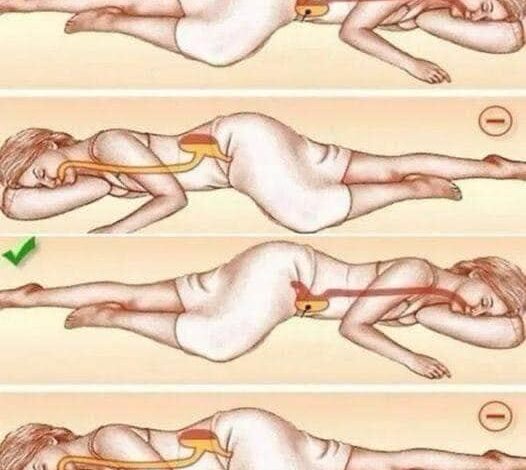
Most of us fall into bed each night without a second thought about how we sleep. After a long day filled with work, family, and constant motion, rest feels like the only goal. But the position you choose when you close your eyes can quietly shape your health — influencing digestion, circulation, and even how your organs function.
Sleep experts and doctors have increasingly highlighted one simple but powerful adjustment: sleeping on your left side. While it might sound like a small detail, this habit can produce real improvements in how your body processes food, moves blood, and restores itself overnight.
Relief From Heartburn and Acid Reflux
If you’re among the millions who deal with acid reflux or nighttime heartburn, left-side sleeping can be a game changer. The stomach and esophagus connect at an angle that makes it easier for acid to escape when you lie flat or on your right side. Shifting to your left helps gravity keep stomach contents where they belong — in the stomach, not rising into your throat.
Several clinical studies have backed this up. People who sleep on their left side experience fewer reflux episodes and report better sleep quality. Gravity does the heavy lifting: by positioning your stomach below your esophagus, acid stays down naturally.
For anyone who eats late dinners or enjoys the occasional midnight snack, this small change can mean waking up without the burning discomfort that ruins rest.
Support for Your Organs
Sleeping on the left isn’t just good for digestion — it also supports two of your body’s most hardworking organs: the spleen and the liver.
The spleen, located on the left side, acts as a filter for blood, removing waste and supporting immune function. Lying on your left helps gravity boost blood flow to the spleen, letting it work more efficiently while you sleep.
Meanwhile, the liver — on your right side — benefits indirectly. Sleeping left prevents the full weight of the body from pressing against it, giving the organ space to function freely. Better liver circulation means more effective detoxification, hormone regulation, and metabolic balance overnight.
In other words, your body’s nightly cleanup crew works best when you give it the right position to do its job.
Circulation and Heart Health
Your circulatory system also gets a boost from left-side sleeping. The heart sits slightly to the left of your chest, and lying on that side can make it easier for blood to return to the heart from the lower body. This position promotes natural flow through the vena cava — the large vein that carries blood back from your legs — reducing pressure on your heart.
It’s particularly beneficial for people with mild swelling, varicose veins, or fluid retention. You might notice less puffiness in your ankles or legs in the morning because your body drains fluids more effectively overnight.
Pregnancy and the Left-Side Advantage
For pregnant women, left-side sleeping is more than a recommendation — it’s the gold standard. Obstetricians often suggest this position, especially during the second and third trimesters, because it improves circulation to the placenta and ensures a steady flow of nutrients and oxygen to the baby.
It also reduces pressure on the mother’s back and internal organs. Lying flat can compress major blood vessels like the inferior vena cava, potentially restricting circulation and causing dizziness. Sleeping on the right can increase pressure on the liver. Left-side sleeping, in contrast, opens circulation pathways and helps prevent swelling in the feet and legs.
Doctors note that even if a pregnant woman shifts positions during sleep, starting the night on the left side provides meaningful benefits.
Improved Digestion
Digestion doesn’t stop when you sleep — your stomach and intestines continue their work well into the night. Sleeping on your left side naturally supports this process because of how your digestive tract is shaped.
Food moves from the small intestine to the large intestine through a point called the ileocecal valve, which sits on the left side of your abdomen. Lying that way uses gravity to assist the movement of waste through your system. Over time, this can reduce bloating, constipation, and sluggish digestion.
Many who adopt the habit say they feel lighter and more comfortable in the morning. It’s a small, effortless change that keeps your digestive rhythm on track.
When Left Isn’t Best
Despite its advantages, left-side sleeping doesn’t suit everyone. People with chronic left shoulder pain, hip discomfort, or certain heart conditions may find it uncomfortable. Alternating sides during the night or using a supportive pillow between the knees can reduce pressure and make it easier to maintain the position.
For some, back sleeping offers relief by supporting spinal alignment and evenly distributing weight. However, it can worsen snoring or sleep apnea. If you’re prone to either, experts recommend side sleeping as a safer, quieter alternative.
Setting Up for Better Sleep
If you want to try left-side sleeping, start with your sleep environment. A firm but comfortable mattress helps maintain alignment. Place a pillow between your knees to reduce strain on your hips and lower back. Another small pillow under your waist can add extra support.
If you tend to roll over at night, try placing a pillow behind your back to make it harder to flip unconsciously. Body pillows work well too — hugging one keeps your spine straight and your shoulders supported.
Over a few nights, your body will naturally adapt to the new habit. The key is consistency and comfort, not rigidity.
The Science Behind Sleep Position
The human body isn’t perfectly symmetrical — your organs, blood flow, and even lymphatic drainage differ slightly from one side to the other. That’s why sleeping positions matter more than most people realize.
When you lie on your left, gravity assists your lymphatic system — the network responsible for removing toxins and supporting immunity. Fluids flow more freely toward the thoracic duct, which sits on the left side, improving waste removal.
It’s subtle but cumulative. Over time, better lymph flow can reduce inflammation, support healing, and even improve skin clarity.
Listening to Your Body
No single position works for everyone. The real goal is to rest in a way that leaves you refreshed, not stiff or sore. Pay attention to how you feel after a night’s sleep — less heartburn, improved digestion, or more energy in the morning can be signs you’re on the right track.
Sleep is when the body repairs, restores, and balances itself. The way you position yourself can either support that process or make it harder.
So before you collapse into bed tonight, take a moment to think about where you’ll land. A small shift — turning onto your left side — could bring meaningful improvements to how your body functions day after day.
It doesn’t require effort, medication, or a doctor’s appointment. Just awareness.
You might find that one simple change — a different way of lying down — helps your heart, digestion, and energy in ways you can actually feel. And for something as natural as sleep, that’s a benefit worth turning over for.