Legendary Voice Of Darth Vader D I E S At 93
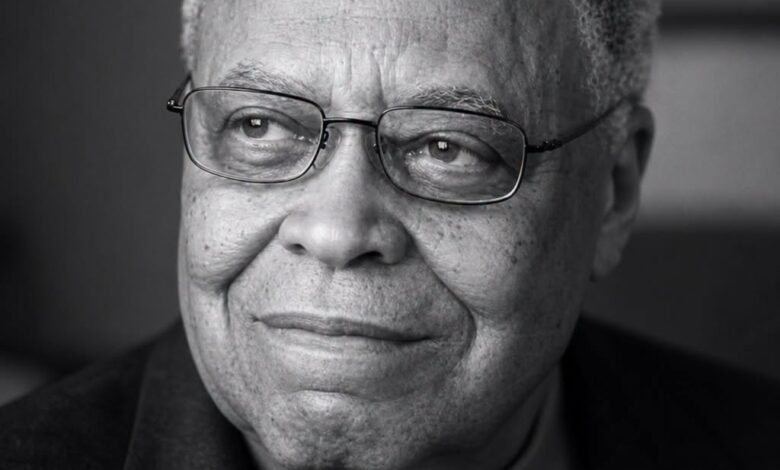
James Earl Jones, whose voice gave Darth Vader his menace and Mufasa his wisdom, died at the age of ninety-three on September 9, 2024. His career lasted more than seven decades and included stage, film, television, and voice work. Calling him only the voice of one famous villain understates the range of an actor who earned the industry’s highest honors and made an early speech difficulty part of an extraordinary artistic life.
Jones was born in Mississippi in 1931 and spent part of his childhood in Michigan. He developed a severe stutter and sometimes avoided speaking. A teacher encouraged him to read poetry aloud, helping him discover that performance could give structure and confidence to his voice. The deep resonance later recognized around the world was therefore connected to years of discipline rather than effortless childhood certainty.
He trained as an actor after college and military service and built a major stage career. His performance in The Great White Hope won him a Tony Award, and he later received another competitive Tony for Fences. Shakespearean roles, including Othello and King Lear, demonstrated that the commanding voice audiences knew from popular entertainment rested on rigorous theatrical craft.
Film audiences heard him as Darth Vader beginning with Star Wars in 1977. David Prowse performed the character physically, while Jones supplied the voice that made the masked figure feel controlled, intelligent, and terrifying. Jones initially chose not to receive on-screen credit because he regarded the work as a special effect contribution. The performance eventually became one of cinema’s most recognizable vocal creations.
Darth Vader did not define the limits of that instrument. In Disney’s The Lion King, Jones voiced Mufasa with warmth and authority, turning a fatherly lesson into one of the film’s emotional anchors. He returned to the role in the 2019 version. The contrast between Vader and Mufasa showed how tone, rhythm, and restraint could transform the same unmistakable voice into either fear or reassurance.
His on-screen credits were equally broad. Jones appeared in Dr. Strangelove, Field of Dreams, Coming to America, The Hunt for Red October, and many other productions. He moved between drama, comedy, historical roles, and contemporary stories without relying on the celebrity of his voice. Television work and guest appearances brought him to additional generations who might not have seen his stage performances.
Jones achieved the rare collection often called an EGOT through competitive and honorary recognition across Emmy, Grammy, Oscar, and Tony institutions. He won multiple Emmys, a Grammy for spoken-word recording, Tony Awards, and an honorary Academy Award. The honors reflected breadth and longevity, but colleagues frequently emphasized his humility and professional seriousness rather than a pursuit of status.
The emotional response to his death came partly from how long his work had accompanied audiences. Adults who feared Vader as children later introduced the films to their own families. Children who first heard Mufasa learned about responsibility, loss, and courage through his performance. Even viewers who did not know his name often recognized the sound immediately.
Recordings preserve that presence, and modern technology raises questions about how a distinctive voice should be used after an actor can no longer perform. Any authorized archival or synthetic use should respect the agreements made with the performer and his estate. A familiar sound can continue within a franchise, but it should not erase the human actor whose breath, timing, and interpretation created it.
Jones turned what once made speaking painful into an instrument of uncommon power. His death ended a life and career, not the effect of the work. Darth Vader’s commands, Mufasa’s counsel, and the many characters between them remain available, while the story of the quiet child who learned to speak through poetry gives the famous voice an even deeper resonance.