If You Keep Putting Off Washing The Dishes This Could Be See More
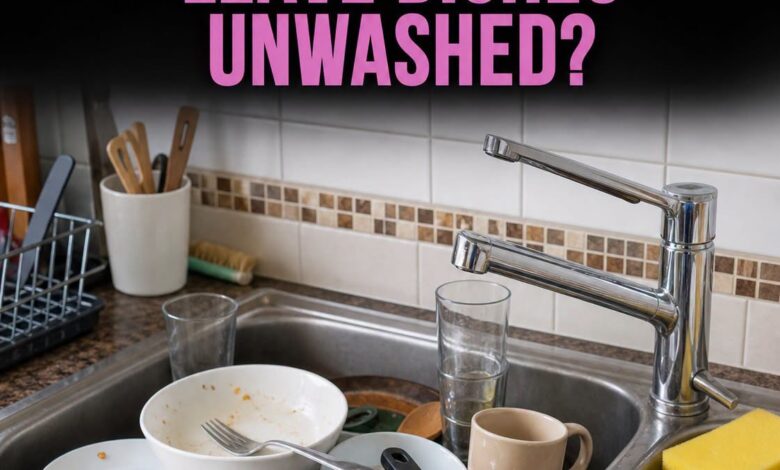
A sink full of dishes can be an ordinary result of a busy day, but repeated inability to begin basic chores may also reflect overload. Anxiety, grief, depression, burnout, attention problems, physical illness, pain, and sleep loss can make a familiar task feel unexpectedly complex. The dishes do not diagnose any condition, yet they can provide a visible clue that daily functioning has become harder.
Washing one plate is not a single mental action. A person must notice the task, decide when to begin, gather supplies, tolerate unpleasant textures or smells, wash and rinse each item, dry or rack it, and return it to the proper place. When concentration and energy are low, the brain can experience that chain as a maze rather than a simple chore. Avoidance brings temporary relief, which makes delaying again more likely.
The pile then creates its own pressure. Food dries, clean space disappears, and every visit to the kitchen becomes a reminder of unfinished work. Shame may turn the sink into evidence that the person is lazy or failing. That interpretation makes starting harder because the task now carries emotion as well as effort. Treating the pile as a signal rather than a verdict interrupts that cycle.
Depression can interfere with energy, concentration, decision-making, and the ability to complete normal activities. It usually involves a broader pattern, such as persistent low mood or loss of interest, sleep or appetite changes, guilt, hopelessness, or difficulty functioning over time. One neglected chore is not enough to conclude that someone is depressed. Duration, severity, other symptoms, and impact on life matter.
Anxiety can create a different version of the same problem. Mental energy may be consumed by worry, leaving little capacity for routine decisions. Burnout can make any additional demand feel impossible after work or caregiving. Grief can interrupt attention and motivation. Executive dysfunction can affect the ability to organize steps and switch from intention to action. The useful question is not which label sounds familiar online, but what else has changed and what support would help.
Making the task smaller can reduce the barrier. Wash one cup, clear only the utensils, or set a short timer. Use a tub to separate items if the entire sink feels chaotic. Begin at the time of day when energy is usually better. Disposable plates may offer temporary relief during illness or crisis. Accepting practical help is not cheating; it is a way to restore a functioning environment while addressing the reason it became difficult.
Compassion should not erase hygiene. Old food can attract pests, create odors, and support microbial growth, so clearing dishes remains worthwhile. Someone helping should avoid humiliation or a surprise cleanup that removes the person’s control. A useful offer is specific: wash together for ten minutes, load the dishwasher, or bring food that creates less cleanup. Support works better when it lowers the next step instead of adding judgment.
If trouble completing ordinary tasks persists for about two weeks, worsens, or affects eating, sleep, work, relationships, or personal care, a healthcare or mental-health professional can help assess the larger pattern. Medical problems and medication effects can also contribute to fatigue or concentration changes. Professional evaluation is more reliable than treating a household symptom as proof of one diagnosis.
Urgent support is needed when a person feels unable to stay safe or has thoughts of suicide or self-harm. In the United States, the 988 Suicide and Crisis Lifeline is available by call or text, and immediate danger requires emergency services. Other countries have local crisis lines and emergency numbers. A conversation about dishes should not overlook a direct statement that life feels unbearable.
A crowded sink may mean nothing more than a crowded schedule. It may also be the first place a person notices that coping resources are running out. Either way, shame is rarely the tool that fixes it. One cleaned glass is progress, and one honest conversation can be more important than an empty counter.