How The Secret Life Of This Famous Shawshank Redemption Actor Was Far More Mind Blowing Than His Movies
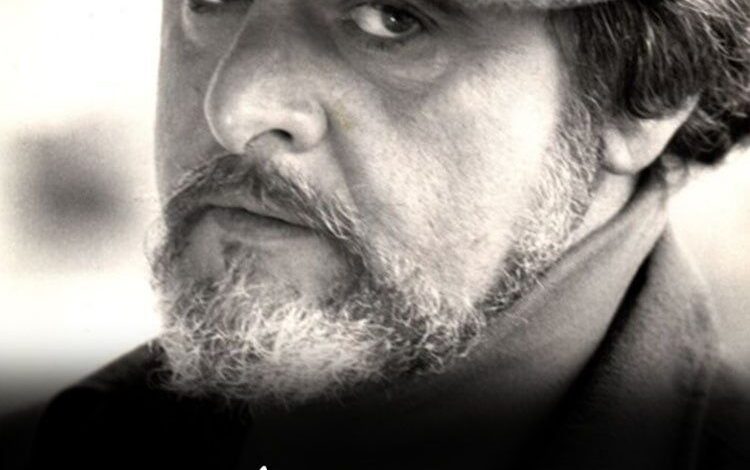
The passing of character actor Dion Anderson at the age of eighty-seven was announced quietly, bringing a peaceful end to a remarkably rich life. While movie buffs immediately recognized him as the intimidating, stern prison guard Head Bull Haig in the cinematic masterpiece The Shawshank Redemption, and television fans fondly remembered him as Burt in Gilmore Girls, his onscreen characters only scratched the very surface of his true identity. Behind the cameras, away from the Hollywood spotlight, Dion Anderson lived a real-life adventure story that was far more captivating, globally impactful, and complex than any script he was ever handed.
Long before he ever set foot on a professional film set, Anderson’s journey was defined by a restless, insatiable curiosity and a deep commitment to global service. Born in Texas, he originally answered the call of duty by serving in the United States Army, working diligently in the Finance Corps. This initial taste of international structure only fueled his desire to explore the world, prompting him to pursue higher education across multiple continents. He eventually earned an impressive string of academic achievements, including a degree in English literature, followed by Master’s degrees in history, television production, economics, and political science, before ultimately honing his artistic craft at the prestigious London Academy of Music and Dramatic Art.
But it was what he did with this vast knowledge that truly set him apart from his Hollywood peers.
During the height of some of the twentieth century’s most volatile geopolitical conflicts, Anderson worked extensively with the Voice of America and other international agencies. His unique assignments placed him directly at the crossroads of world history, taking him to South Vietnam and Iran. In these war-torn and high-stress environments, he was tasked with a monumental challenge: helping to physically construct and program local television and radio networks. He spent years mentoring local broadcasting staff, teaching English, and using his deep love of theater to nurture emerging local voices in the arts, helping to build cultural bridges when they were needed most.
Only after completing these extraordinary global chapters did Anderson decide to pivot toward a full-time career in the performing arts. He began directing regional theater in West Virginia, earning a sterling reputation for his profound understanding of classical texts. His deep, commanding voice and commanding physical presence made him a natural fit for the stage, where he eventually tackled iconic, demanding roles such as Julius Caesar, Henry VIII, and Big Daddy in Cat on a Hot Tin Roof.
When the film and television industries finally came calling in the early 1980s, Anderson quickly became one of the most reliable and beloved character actors in the business. Directors knew that if they needed a performer who could instantly command authority, project deep intelligence, or deliver a quiet, grounding humanity to a scene, Anderson was the perfect choice. He lent his considerable talents to a staggering variety of projects, seamlessly transitioning from playing judges, priests, and military officers to portraying the infamous historical financier Diamond Jim Brady, and even appearing as an alien in Star Trek: Deep Space Nine.
Yet, it was his brief but unforgettable role as the primary prison guard alongside the brutal Captain Byron Hadley in The Shawshank Redemption that cemented his place in cinematic history. Anderson brought a nuanced, quiet gravity to the legendary prison drama, helping to ground the film’s harsh, oppressive atmosphere in a stark, unforgettable realism.
To those who knew him best in his personal life, however, he was far more than the sum of his memorable roles. Friends and family remember a remarkably gentle, multifaceted soul who possessed a lifelong passion for oil painting, classical music, and the quiet beauty of nature. He was a devoted advocate for animals, often spending his free hours volunteering or quietly supporting wildlife conservation efforts. His personal kindness, humility, and genuine warmth were said to easily match his immense artistic talents.
The tributes currently pouring in from former colleagues, students, and generations of fans highlight a legacy that extends far beyond the silver screen. Dion Anderson’s life serves as an inspiring, powerful reminder that the most fascinating people are often the ones who feel no need to boast about their extraordinary achievements. He did not live his life for the applause of the crowd, but for the sheer joy of learning, creating, and helping others grow. Though he has departed, the rich tapestry of his art, his quiet acts of service, and the vibrant culture he helped build across the globe will ensure that his name is carried forward with immense respect for generations to come.