Greedy Kids Thought They Inherited Everything So I Sold My House Out From Under Them
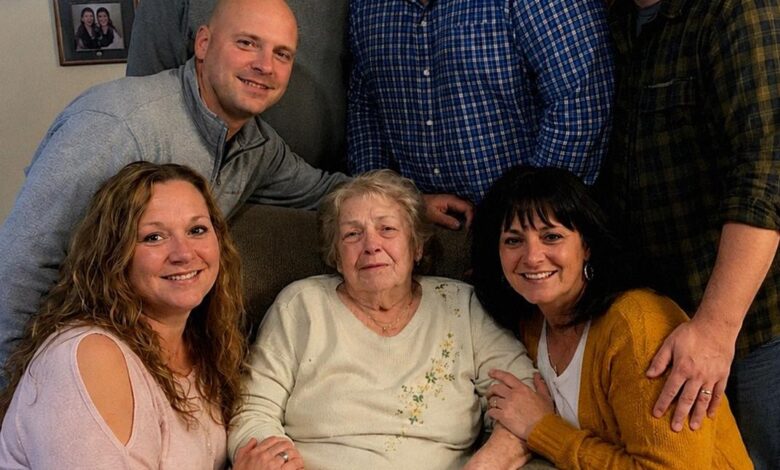
After raising my six children as a single mother following my husband’s early death, I dedicated my entire existence to their well-being. I worked double shifts, sacrificed every personal luxury, and put my own dreams on indefinite hold to ensure they were fed, clothed, and educated. Daniel, Carol, Michael, Lisa, Thomas, and little Ben were my whole world, and I took pride in the vibrant, chaotic, and loving home we shared.
As they grew into adulthood, I told myself that their increasingly infrequent calls and rushed, shorter visits were signs of success. I believed I had done my job well because they were off building their own full, independent lives. However, the silence in my house grew heavy, and I realized with a crushing sense of loneliness that it had been months since all six were under my roof at the same time. The emotional toll of that realization was profound, and in a moment of desperate vulnerability, I made a choice I am not proud of. I sent a message to all of them stating that my health was failing and that I didn’t know how much time I had left.
It was a lie, but it worked instantly. My children rushed home, acting like the devoted family I missed so dearly. My daughters cooked for me, and my sons spent their time fixing long-neglected repairs around the house. For two days, I felt like I had my life back. That warmth, however, was shattered on the third night.
I woke up thirsty and headed downstairs, only to freeze when I heard their voices coming from the living room. They were not talking about my health; they were arguing about my estate. Daniel was insisting on an equal split, while Lisa argued that I had promised her my savings years ago. Carol callously remarked that my memory was failing and that they could manipulate me into signing over assets, while others debated the division of my jewelry and furniture as if I were already in a coffin.
I did not confront them then. I retreated to my room and spent the night in a cold, steady silence, finalizing a decision that would change everything. The next morning, I had my lawyer send a formal email to all of them, announcing a mandatory family dinner and estate meeting for that evening.
When the clock struck six, the dining room was packed. The atmosphere was thick with palpable tension, and nobody dared to touch the meal I had prepared—a traditional dinner from their childhoods. After a long, heavy silence, Daniel tried to take control, demanding to know the purpose of the meeting. I calmly explained that I had overheard their conversation the previous night. The sudden shift in the room was chilling. They were caught, and the masks of affection they had worn for the last few days dropped instantly, replaced by varying degrees of guilt, embarrassment, and defensive anger.
My lawyer, Mr. Bennett, opened his folder and read the updated terms of my will. All funds from my estate were to be placed into educational trusts for my grandchildren, ensuring that my resources would support the next generation rather than rewarding the greed of the current one. The room filled with a tangible wave of disappointment. Daniel, predictably, focused entirely on the house, asking with a sharp, entitled tone what was to become of the property.
I looked at him and the others, seeing them clearly for the first time—not as the children I had sacrificed everything for, but as adults who had abandoned me until they perceived a financial gain. I told them I was selling the house. I had no need for it anymore. I had already secured a place in a beautiful senior living community, a place with a library, gardens, and a social life that didn’t depend on them remembering I existed only when money was involved.
Lisa began to cry, accusing me of destroying the family, to which I retorted that they had destroyed the trust that held it together long before this meeting. I reminded them of the life they had enjoyed at my expense—the braces, the tuition, and the sacrifices I had made to ensure they never went without. I asked them one simple, stinging question: was there ever a moment I failed them that justified them dividing my life’s work while I was still breathing? None of them had an answer.
Ben, the youngest, offered a genuine apology, which I accepted with a nod, but the decision remained final. I explained that this house had already given them everything—a childhood, a safe harbor, and a foundation—and it owed them nothing more. Mr. Bennett closed his folder, and as they sat in stunned, uncomfortable silence, I felt a weight lift from my shoulders. For the first time in years, I was no longer afraid of the quiet. I was no longer waiting for them to call, to visit, or to care. I was finally free to live the remainder of my life on my own terms, surrounded by people who chose to be there rather than those who felt entitled to my legacy.