Doctors reveal that eating avocados causes see more
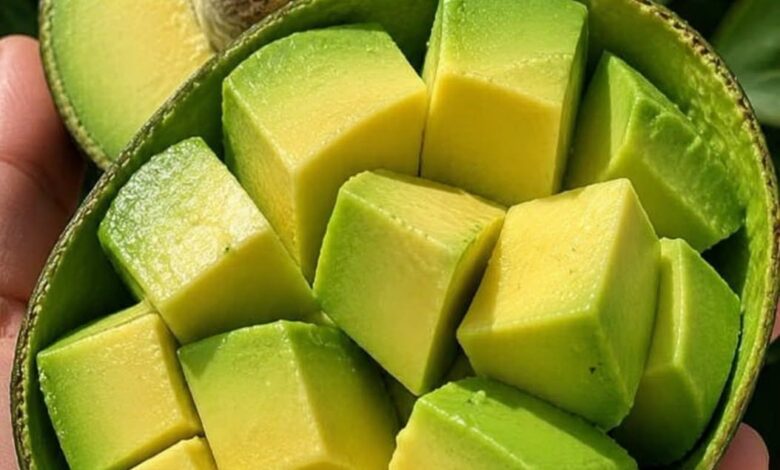
Avocados are popular because their creamy texture works in toast, salads, dips, sandwiches, and smoothies. They also provide a combination unusual among fruits: most of their calories come from fat, particularly monounsaturated fat, alongside fiber and several vitamins and minerals.
Eating avocados regularly does not trigger one dramatic transformation. Their effect depends on portion size, what they replace, and the rest of a person’s diet. Used as part of a balanced eating pattern, they can contribute useful nutrients without becoming a miracle food.
Avocados contain fiber, potassium, folate, vitamin K, vitamin E, vitamin C, and carotenoids. The precise amount varies with the fruit’s size and variety. A person does not need to eat a whole avocado to benefit from it; half can be a substantial serving.
Unsaturated fat can support a heart-healthy pattern
Monounsaturated fat is generally considered a favorable replacement for foods high in saturated fat. Adding avocado instead of butter, some processed meats, or a heavy creamy topping may improve the overall fat profile of a meal. Simply adding it on top of an already calorie-rich diet does not create the same tradeoff.
Potassium helps support normal nerve, muscle, and blood-pressure function. Avocados provide it, but so do beans, potatoes, yogurt, leafy greens, and many other foods. People with kidney disease or those taking medicines that affect potassium should follow individualized medical guidance.
Fiber can help bowel regularity, feed beneficial gut microbes, and increase fullness after a meal. Anyone who currently eats little fiber may be more comfortable increasing it gradually and drinking adequate fluid, since a sudden large increase can cause gas or bloating.
Fullness does not make calories disappear
The mixture of fat and fiber can make avocado satisfying. That may help some people manage appetite when it replaces a less filling food. Avocados are also energy-dense, so portion size still matters for someone with a specific calorie goal.
Weight change depends on overall energy intake, activity, sleep, health conditions, and many other factors. No credible promise can guarantee weight loss merely by adding one ingredient. The most useful question is how avocado fits into a meal and what it displaces.
The fruit’s lutein and zeaxanthin are carotenoids associated with eye health. Fat in a meal can also help the body absorb fat-soluble compounds from other vegetables. A salad containing avocado may therefore combine nutrients in a practical way, but it should not be presented as treatment for an eye disease.
Skin, brain, and inflammation claims need perspective
Healthy fats, vitamins, and antioxidants support normal cell function, including in the skin and nervous system. Research examines dietary patterns containing these nutrients, but claims that avocado prevents aging, sharpens memory immediately, or cures inflammation go beyond what one food can establish.
Chronic disease risk is shaped by the complete diet and many non-diet factors. Avocados can belong in an eating pattern rich in vegetables, fruits, whole grains, legumes, nuts, and appropriate protein sources. They are not required for good health, especially when cost, availability, allergy, or personal taste makes other foods a better choice.
How much is reasonable
There is no universal daily prescription. Half an avocado or a small whole fruit may fit comfortably for many adults, while others prefer a few slices. Individual needs vary with total diet, energy requirements, health conditions, and goals.
People with a known avocado allergy should avoid it and seek medical advice about reactions. Anyone following a medically restricted diet should ask a qualified professional how the fruit fits, rather than relying on a social-media rule.
The practical conclusion is modest. Eating avocado regularly may support fiber intake, provide unsaturated fat, and add several micronutrients. The benefit comes from a repeatable, balanced pattern, not a sensational before-and-after effect. Avocado is a nutritious food, not a medical intervention, and it works best when enjoyed in a portion that fits the rest of the plate.