Can Your Sleeping Position Reveal How Lazy You Are What Science Really Says
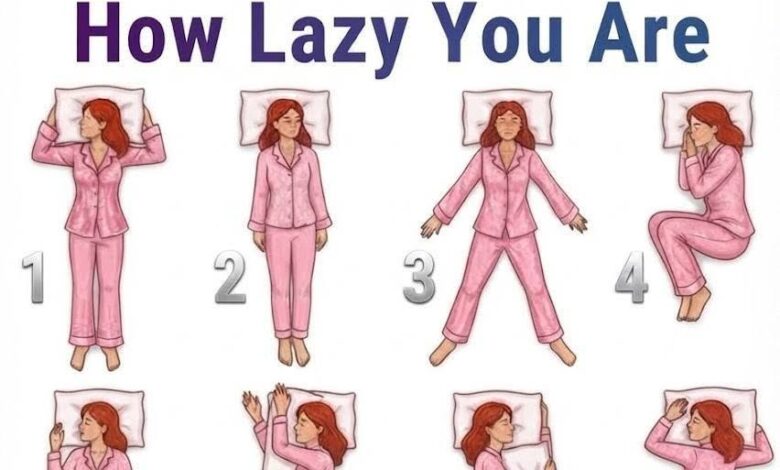
Images that claim to reveal personality from a sleeping position are popular because they turn an ordinary habit into a quick test. A curled-up sleeper is labeled sensitive, a person spread across the bed is called confident, and someone who sleeps on the stomach may be described as stubborn or lazy. These descriptions can be entertaining, but there is no reliable scientific basis for diagnosing laziness or character from the way a person happens to lie at night.
Sleeping position is influenced by comfort, habit, body shape, pregnancy, pain, mattress support, room temperature, breathing, and whether someone shares the bed. It can also change many times during a single night. A person may begin on the back, move to one side, and wake on the stomach without remembering any of it. Reducing that changing physical behavior to a fixed personality label ignores the many practical reasons the body chooses a position.
The fetal position, in which a person sleeps on the side with the knees drawn upward, is often assigned emotional meanings online. In reality, many people simply find it warm and comfortable. Side sleeping can also help some sleepers who snore or feel uncomfortable on their backs. Curling too tightly may leave the hips, shoulders, or neck stiff, so a pillow that keeps the head aligned and another between the knees may improve comfort. None of this says whether the sleeper is hardworking or lazy.
Back sleeping distributes body weight differently and may feel supportive when the mattress and pillow suit the person. It can be comfortable for some types of neck or back pain, although the details vary by individual. For people whose snoring or obstructive sleep apnea worsens on the back, it may be a poor choice. Loud habitual snoring, gasping, witnessed pauses in breathing, morning headaches, or severe daytime sleepiness deserve medical attention rather than a personality interpretation.
Stomach sleeping may reduce snoring for some people, but it requires the head to turn to one side and can strain the neck or lower back. A thin pillow or no head pillow may feel better for certain stomach sleepers, while support under the hips may reduce arching. Comfort is personal, and pain that persists should be assessed rather than solved through a one-size-fits-all chart. Choosing the stomach does not reveal motivation, ambition, or moral character.
Side choice can matter for specific physical symptoms. Research suggests that lying on the left side can reduce nighttime acid exposure for some people with gastroesophageal reflux compared with lying on the right side or flat on the back. Raising the upper body may also help some people with nighttime reflux. These are health-related effects of anatomy and gravity, not clues about personality. Someone with persistent reflux, difficulty swallowing, bleeding, unexplained weight loss, or chest pain should seek medical advice.
Pregnancy adds another practical consideration because comfort and circulation needs change as the uterus grows. Pregnant people may be advised to settle to sleep on their side later in pregnancy, but individual guidance should come from their maternity care professional. Pillows behind the back, under the abdomen, or between the knees can reduce pressure. Again, the position reflects physical needs, not a hidden level of energy or commitment.
Even the word lazy is misleading in a sleep discussion. Sleep is an active biological process needed for memory, immune function, mood, metabolism, and physical recovery. Needing more rest after illness, demanding work, disrupted sleep, caregiving, or chronic stress is not a character failure. Persistent exhaustion may point to insufficient sleep, medication effects, anemia, depression, thyroid problems, sleep apnea, or another condition. Judging the sleeper can delay a more useful conversation about sleep quality and health.
A better question than what a position reveals about personality is whether the position supports restful, pain-free breathing and sleep. Notice how the body feels on waking. Check whether the pillow keeps the neck in a neutral line, whether the mattress supports pressure points, and whether symptoms improve after a change. If a partner observes breathing pauses or if daytime sleepiness interferes with driving and daily life, professional evaluation matters more than experimenting with a viral quiz.
Sleeping positions may reveal what feels comfortable to the body on a particular night, and they can influence reflux, snoring, pressure, or pain. They do not provide a scientific test of laziness. Enjoy personality charts as entertainment if you like, but do not use them to judge yourself or anyone else. The most meaningful evidence is how well a person sleeps, breathes, and functions during the day, not the shape their body makes under a blanket.