Your Kidneys Could Be Failing Right Now Without You Knowing, Here is What Most People Miss Until It is Too Late
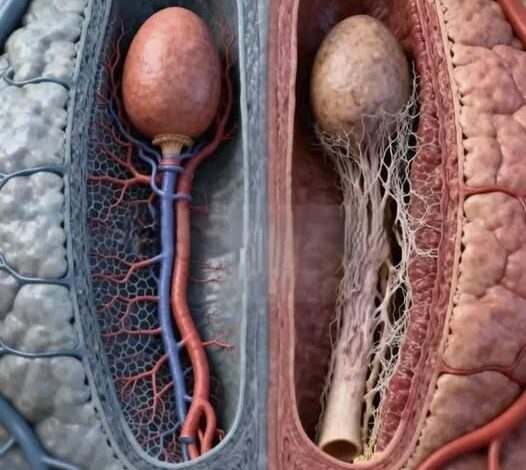
Most people don’t think about their kidneys.
There’s no daily reminder, no obvious signal demanding attention, no dramatic sensation that forces you to notice them working. Unlike your heart, which you can feel racing, or your lungs, which you notice when breathing becomes difficult, your kidneys operate quietly in the background.
And that’s exactly what makes them dangerous to ignore.
Every single day, without pause, your kidneys are performing one of the most essential jobs in your body. They filter your blood, remove waste products, balance fluids, regulate minerals, and support the production of hormones that control blood pressure and red blood cell formation.
They are, in every sense, your body’s internal filtration system.
But here’s the problem.
They don’t complain when something starts to go wrong.
Kidney damage doesn’t usually announce itself with pain or obvious symptoms. It develops slowly, often silently, progressing over time while you go about your daily life unaware that anything is changing. By the time noticeable signs appear, the damage is often already significant.
That’s what makes kidney health so critical—and so often overlooked.
The kidneys don’t just filter waste. They maintain a delicate balance within the body, controlling electrolytes like sodium and potassium, regulating fluid levels, and managing the body’s acid-base balance. These processes are constantly adjusting, responding to what you eat, drink, and experience throughout the day.
It’s a complex system.
And while the kidneys are remarkably adaptable, that adaptability has limits.
Modern habits push those limits more than most people realize.
Diet is one of the biggest factors.
Highly processed foods, which have become a staple in many diets, are often loaded with sodium and added sugars. Excess sodium forces the kidneys to work harder to maintain fluid balance, while high sugar intake contributes to conditions like diabetes—one of the leading causes of kidney damage.
Over time, this constant strain begins to wear down the kidneys’ delicate filtering structures.
It doesn’t happen overnight.
It builds gradually, often without any immediate warning.
Hydration is another key piece that’s frequently underestimated.
The kidneys rely on adequate fluid intake to function efficiently. When the body is consistently dehydrated, the filtration process becomes less effective. Waste products can accumulate, and the kidneys are forced to work under less-than-ideal conditions.
Chronic dehydration doesn’t always feel dramatic. It might show up as mild fatigue, occasional headaches, or simply a sense of being off. But beneath the surface, it can contribute to long-term stress on the kidneys.
Then there’s inflammation.
Chronic, low-grade inflammation—often linked to poor diet, stress, and lack of physical activity—can quietly damage tissues throughout the body, including the kidneys. This kind of inflammation doesn’t always produce obvious symptoms, but its effects accumulate over time.
It’s another example of how the body can be under strain without clear signals.
Lifestyle plays a significant role as well.
Physical inactivity contributes to high blood pressure and metabolic issues, both of which increase the risk of kidney problems. Regular movement supports circulation, helps regulate blood pressure, and reduces stress on the body’s systems.
Stress itself is another factor that often goes unnoticed in this context.
Chronic stress affects hormone regulation, including those that influence kidney function. Over time, this can disrupt the body’s internal balance, adding another layer of strain to an already complex system.
Medication use is another hidden risk.
Many people rely on over-the-counter or prescription medications without fully considering their long-term impact. Certain drugs, especially when used frequently or in high doses, can affect kidney function. Pain relievers, in particular, are commonly used without much thought, but overuse can contribute to kidney damage.
This doesn’t mean medications should be avoided—it means they should be used responsibly.
Understanding dosage, duration, and potential side effects matters more than most people think.
The challenge with kidney health is that it doesn’t demand attention until it absolutely has to.
By the time symptoms like swelling, fatigue, changes in urination, or high blood pressure become noticeable, the kidneys may already be struggling. At that point, the focus shifts from prevention to management.
And prevention is always easier.
That’s where simple, consistent habits make the biggest difference.
Staying hydrated is one of the most effective ways to support kidney function. It helps maintain proper filtration and prevents the buildup of waste products.
Diet also plays a crucial role.
Reducing processed foods, limiting excess salt and sugar, and focusing on whole, nutrient-rich options can significantly reduce the burden on the kidneys. Fresh fruits, vegetables, lean proteins, and whole grains support overall health and help maintain balance within the body.
Regular physical activity supports circulation, helps control blood pressure, and reduces the risk of conditions that can lead to kidney damage.
Routine health screenings are another essential step.
Because kidney issues can develop silently, regular check-ups and simple tests can detect problems early, before they become more serious. Early detection allows for adjustments in lifestyle and treatment that can slow or even prevent further damage.
And perhaps most importantly, awareness matters.
Understanding that these organs are working constantly—even when you don’t feel it—changes how you approach your health. It shifts the focus from reacting to problems to preventing them.
The kidneys don’t ask for attention.
They don’t demand it.
But they depend on it.
They are the quiet systems that keep everything balanced, functioning, and stable. And when they begin to struggle, the effects ripple through the entire body.
Ignoring them is easy.
Protecting them is simple.
And the difference between the two often determines how well your body continues to function in the years ahead.
Because the most dangerous problems aren’t always the ones you can feel.
They’re the ones that develop in silence.