Why Leaving a Charger Plugged In Can Be a Bad Habit (6 Reasons)
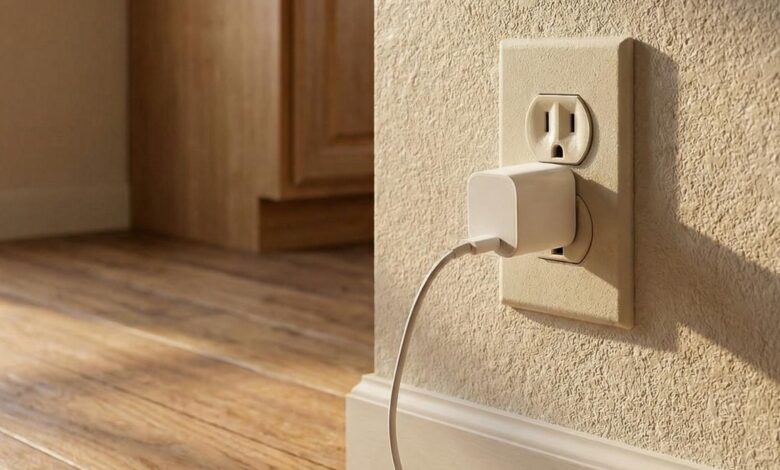
In the hyper-connected landscape of the modern home and workplace, the ubiquitous charging adapter has become as commonplace and unremarkable as a coffee maker or a light switch. We rely on these devices daily to maintain the functionality of our essential technologies—smartphones, tablets, laptops, and various accessories. Due to this constant reliance, a pervasive habit has emerged: leaving chargers permanently plugged into wall outlets, even when no device is attached or actively drawing power. While this practice is rooted in convenience and seems utterly harmless, it leads to several significant and often avoidable issues related to unnecessary energy consumption, potential safety hazards, and reduced longevity of the equipment. Cultivating an awareness of the charger’s silent operation promotes smarter, safer habits that benefit both our personal finances and the wider environment.
1. The Hidden Cost of “Vampire Power”
The most frequently overlooked concern associated with leaving chargers plugged in is the phenomenon known as standby power usage or phantom load (often colloquially referred to as “vampire power”). Chargers that remain connected to the electrical grid continue to draw a minuscule, but continuous, flow of electricity even when the device they power is unplugged or fully charged. This power is used to sustain the internal circuitry of the charger, keeping it ready to charge instantly.
While the energy consumed by a single adapter is minimal—often less than one watt—the combined effect of multiple chargers left plugged in across a home or office (alongside other devices like TVs, coffee makers, and routers that also draw standby power) accumulates significantly over the course of a year. This aggregation of wasted power translates directly into unnecessary line-loss and slightly inflated electricity bills. Unplugging chargers when they are not actively needed is the simplest, most immediate step anyone can take toward measurable energy efficiency and cost reduction.
2. Increased Risk of Overheating and Fire Hazard
Safety should always be the primary factor for electrical device usage. Chargers are sophisticated electrical converters, and like all electronics, their internal components are subject to wear, tear, and degradation over time. When a charger is left plugged in continuously, especially high-use or low-quality models, it is constantly converting voltage and generating a small amount of heat, increasing the overall operational temperature of the wall outlet and the surrounding area.
While modern, certified chargers are designed with robust safety features to prevent major incidents, the continuous exposure to electrical current increases the statistical likelihood of failure or overheating—a critical concern if the charger is old, damaged, or purchased from an unverified source. Reducing unnecessary electrical load mitigates potential risks and supports a safer home or work environment, particularly in older buildings with less stable wiring.
3. Vulnerability to Electrical Surges and Spikes
Leaving a charger connected to the wall outlet leaves it, and potentially any connected device, vulnerable to unpredictable electrical fluctuations. Power surges, which can occur due to lightning strikes, utility grid switching, or sudden electrical failures within the home, carry immense energy that can instantly destroy sensitive electronic components. If a charger is plugged in during a significant surge event, it acts as a direct conduit for that damaging current. Unplugging the charger completely shields it from this vulnerability, protecting both the device and reducing the risk of a surge traveling further into the electrical system.
4. Accelerated Component Degradation
Every component within a charger—from the internal capacitors and resistors to the plastic casing—has a finite operational lifespan. Constant connection to power, even during periods of standby usage, means the charger’s components are never truly at rest. They are continuously subjected to slight electrical stress and thermal cycling (heating up slightly, then cooling). This relentless, low-level operation accelerates the wear on the internal electrical components, ultimately leading to premature failure of the charger. Adopting the habit of unplugging the adapter after use extends its lifespan, reducing the need for frequent and costly replacements.
5. Contribution to Environmental Waste (E-Waste)
The concept of sustainability is intrinsically linked to energy consumption and product longevity. By reducing wasted energy (vampire power), a household or office directly lowers its overall carbon footprint and supports broader environmental conservation efforts. Furthermore, extending the life of electronic accessories through mindful usage, as noted above, leads to fewer replacements. Every failed charger contributes to the growing global problem of electronic waste (e-waste), which contains valuable, non-renewable materials and toxic substances that pose challenges for recycling and disposal. Simple habits like unplugging chargers reduce the demand cycle and contribute to a more responsible stewardship of resources.
6. The Psychological Trap of False Convenience
The final reason is rooted in psychology: leaving a charger plugged in creates a false sense of seamless convenience that actually disguises an inefficient habit. It fosters complacency about energy use and safety protocols. By consciously disconnecting the charger, individuals engage in a brief, intentional act of resource management. This mindful practice—taking the two seconds to remove the plug—reinforces awareness about all forms of energy consumption, helping to instill responsible habits that can be applied to other areas of consumption within the home.
In conclusion, while the simple action of leaving a charger plugged in may appear trivial, the accumulated effects—increased utility costs, heightened safety risks, accelerated component wear, and unnecessary environmental impact—are significant. By adopting simple, mindful charging practices—unplugging adapters when they are not actively transferring power, investing in certified, high-quality accessories, and storing them properly—we collectively create safer, more efficient spaces while making a tangible, positive impact on our finances and the planet’s health.