When a Fatal Crash Report Becomes a Tribute to a Beloved Singer
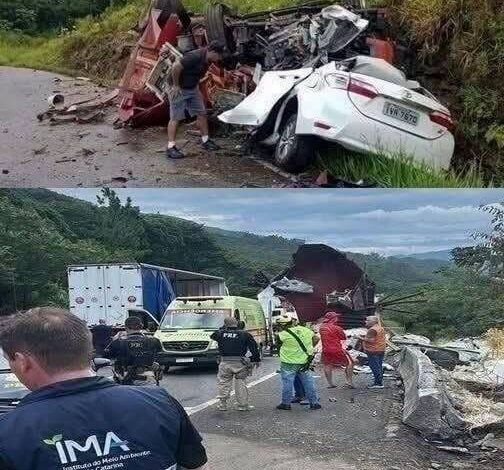
A caption about a fatal road crash can reach people in two very different ways. Some readers first see an accident report and look for its location or the people involved. Others notice the reference to a singer and immediately think of the music that person made. When those reactions meet in the same post, a short headline can prompt grief and concern before the details of the event are clear.
The caption for this story says nine people died and suggests that a singer was among them. It does not identify the singer, give the location of the crash, or name the people it says were killed. A related article can explain why such details matter without supplying an identity that the caption leaves open. Naming a person requires evidence that connects that person to the event, especially when the claim concerns a death.
The people involved in a crash also have different relationships to the public. An artist may be known to thousands of listeners, while others aboard may be known chiefly to their families, coworkers, and friends. The name that draws attention to a report can help people learn about an accident. It can also make it easy to overlook the other people affected. A complete account has to make room for the full human toll as more information becomes available.
Early accident reports often focus on what responders are doing and whether the scene has been secured. Information about the people involved may follow later. Families may need time to be contacted before names are made public. That sequence can be frustrating for readers who want immediate answers, but it reflects the difference between reporting that an accident happened and identifying the people it affected.
Photographs of damaged vehicles can give a sense of the severity of a collision. They do not establish the name of anyone involved or reveal the entire sequence that led to it. A reader seeing a photograph beside a short caption may reasonably want to know when and where it was taken. That connection is what allows the image to support an account of a specific event. Without it, the photograph and the words cannot settle the unanswered questions on their own.
If a singer is identified in a reliable account, the reporting can turn to the work that gave listeners a reason to remember them. A favorite performance, recording, or song can be a way for fans to share what the music meant in their lives. Those memories have a place alongside the factual details of an accident. The two parts of the story serve different needs: one tells people what happened, while the other makes space for a life beyond the event.
For now, the caption leaves the singer’s identity and the circumstances of the reported crash unspecified. The most meaningful account is one that recognizes the seriousness of the loss being described while leaving those details open. That gives readers a way to respond with care and gives any later information room to clarify the story.