What the Viral Biggest Tragedy Reel Actually Shows
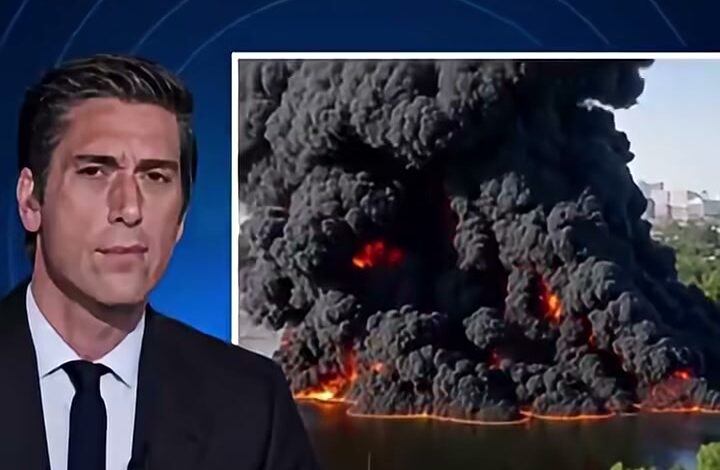
A Facebook reel uses a breaking-news graphic and images of a fire to announce a tragedy in the United States. Its linked article has a similarly urgent headline. The article discusses grief, emergency responders, community support and public debate, but it supplies no date, city, named incident or official report. Those missing details make it impossible to connect the footage to a specific event from the material supplied with the reel.
The article’s language can give the impression that facts will follow. It refers to eyewitnesses and local officials, for example, without identifying them or linking to their statements. It also mentions conversations about safety and mental health. Those references tell readers something about the themes the author wanted to discuss, but they do not identify the event. There is no way to tell from the text which emergency service responded, where it responded, or whether the fire shown in the clip has any connection to the claims in the article.
The clock-style wording on the video is another detail worth separating from the evidence. A graphic saying that something happened minutes ago is part of the video itself. It remains on the screen whenever the clip is played, even if it was uploaded or shared at another time. The Facebook publication date can establish when a version of the clip appeared on the platform. It cannot establish when or where the footage was recorded. The same distinction applies to an image of a presenter. An image can resemble the opening of a news broadcast without identifying the broadcaster, the program, or the original report.
For an event that can be verified, the most useful first details are usually the simplest. A city name narrows the search to outlets and agencies that cover that area. A date helps distinguish new reporting from older footage. An incident name, an agency statement, or a link to the original video gives readers a record they can compare against the shortened clip. These details also help prevent a photo from one disaster from being mistakenly attached to another. None of those identifying details appears in the linked article.
The broader themes in the article still make sense as topics in their own right. People often look for a way to help after news of a disaster, and community organizations sometimes publish requests for support. The usefulness of those requests depends on knowing who is collecting help and which community it is intended to reach. A vague announcement does not supply enough information for a reader to connect it with a particular relief effort. In this case, the article is best read as a general discussion of reactions to tragedy. The reel and its link leave the specific event unidentified.
The post linked to QuickStory’s article titled Biggest Tragedy JUST Happened in the USA. This page records what the linked article contains and why its headline alone cannot establish that the footage shows a current emergency.
The source also gives no incident number or way to contact an agency for further information.