What a Rash Around the Mouth Can and Cannot Tell You
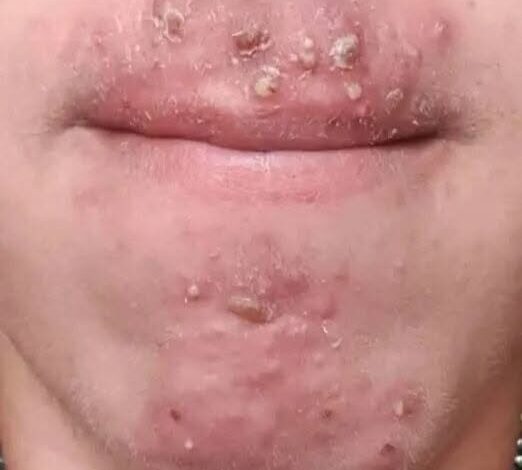
A photo circulating on Facebook shows redness, bumps and areas of crusting around a person’s mouth. The caption says the person noticed the change after spending time with someone they had been dating. The linked article focuses on the possibility of a contagious skin problem. The photograph and the timeline are useful things to describe at an appointment, but they cannot establish what the rash is or how it started.
The skin around the mouth can react in several ways that look similar in a picture. The American Academy of Dermatology describes perioral dermatitis as one possible cause of small bumps around the mouth, sometimes with dryness, flaking or burning. Irritation, allergic reactions and infections can also affect the area. A photograph alone generally cannot distinguish among those possibilities. A clinician can look at the skin directly and ask questions about symptoms that a still image cannot show, including itching, soreness and whether any areas developed into blisters or sores.
A useful history begins with when the change first appeared. It helps to know where the earliest spots were, whether the rash is spreading, and whether there is pain, fever or drainage. A clinician may also ask about a new face wash, lip product, shaving product or cream. Bringing photographs that show changes over several days can help if the appearance has already shifted by the time of the visit. Relevant close contact can be mentioned without treating it as an explanation or assuming that another person caused the problem.
The advice a clinician gives depends on the cause. A product intended for dry skin may be inappropriate if the person has a different condition. Topical steroid creams can be involved in some cases of perioral dermatitis, according to the dermatology academy. A person using a prescribed medication should ask the prescriber before changing it. Avoiding harsh scrubbing or picking at the area is a reasonable way to limit further irritation while arranging an assessment. A clinician can advise whether any precautions are necessary around close contact or shared items.
A rash that spreads quickly, becomes painful, develops significant swelling, or is accompanied by fever deserves prompt medical attention. If there is trouble breathing or swelling of the lips or tongue, seek emergency help. Someone who feels well but has a persistent or recurrent rash can still make an appointment, particularly if it has changed after applying a new product. Describing the progression and any treatments already tried can make that appointment more useful.
The Facebook question asks what the rash is. The linked article offers a possible explanation, while the available photograph leaves the diagnosis unresolved. The most useful information to take from the post is how to describe the symptoms and when to seek a closer look. A healthcare professional can assess the rash and discuss whether a treatment or other follow-up is appropriate.
Reference: https://www.aad.org/public/diseases/a-z/perioral-dermatitis
Tell the clinician whether the rash has appeared before and whether anything improved it. That can help distinguish a recurring pattern from a reaction that started after a recent change.