Trump Gives Big Update on Iran Amid Reports Of Cease Fire Violations
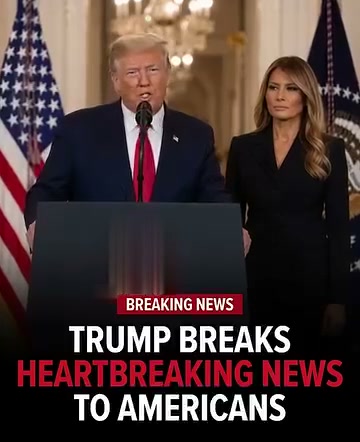
President Donald Trump is sharpening his message to Iran as crucial negotiations approach ending hostilities, cautioning that the country’s leaders are in a position of weakness while trying to exploit global shipping routes.
The warning came at a point when the public account described negotiations as important to ending hostilities. That timing gives the remarks a purpose beyond a description of the military situation. A statement about leverage tells listeners how the speaker wants the next stage of talks to be understood. It does not reveal what the other side is prepared to accept or whether discussions have produced a new agreement.
The report places shipping routes at the center of that message. Routes used by commercial vessels matter to countries far from the places where a dispute begins. When passage is uncertain, a question about security can quickly become a question about whether shipments will arrive on schedule. A negotiating position framed around access to those routes therefore reaches more people than the officials taking part in the talks.
There are several distinct questions behind the phrase cease-fire violation. One is what action is alleged to have occurred. Another is when and where it happened. A third is whether the action is covered by the terms of the cease-fire. The supplied account does not give the particulars of an incident, so the reported violations remain part of the context for the statement rather than a sequence that can be reconstructed from it.
A sharp public message also has different audiences. Officials in Iran may read it for what it says about the American position. People following the negotiations may be looking for signs that an agreement is closer. Commercial operators may be concerned chiefly with whether the routes they use are affected. The same words can speak to each of those concerns while leaving the practical questions unanswered.
The description of Iran as being in a position of weakness reflects the president’s assessment. The passage does not provide independent measurements of the country’s position, a statement from Iranian negotiators, or details of the proposals on the table. That makes attribution essential. The article can report the argument Trump made without presenting that argument as a settled account of the talks.
For readers following the story, the next useful details would be specific statements from the parties, the terms of any agreement, and an account of how the reported cease-fire concerns are being addressed. Those developments would show whether the tougher message was followed by a change in negotiations or in access to shipping routes. The statement itself cannot answer that question.
The account therefore describes a warning delivered during a period of uncertainty. It brings together two issues: efforts to end hostilities and concerns about the use of shipping routes. Whether those issues will be resolved together depends on what follows the public remarks. The material available gives the president’s position and the setting in which he expressed it, while the outcome of the negotiations remains open.
It is also useful to keep the wording of the warning separate from the wording of the report about violations. The former is attributed to Trump. The latter describes the setting in which he spoke. Neither provides a complete record of the negotiations, and the passage supplies no text of a new deal.