This star became a 10 year old mom to 3 little kids when her mother was gone!
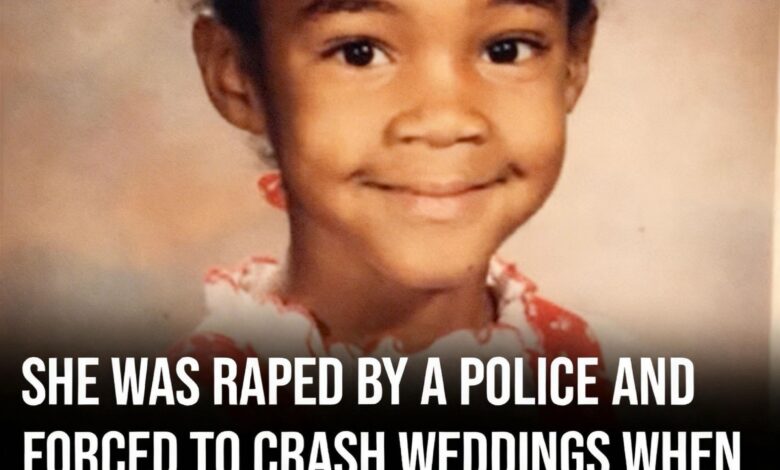
Her life was never shaped by comfort or stability. It was built in fragments—moments of fear, responsibility forced too early, and a resilience that refused to break, even when everything around her did.
She was born on December 3, 1979, in Los Angeles, California, into a life that was already fragile. Her father left when she was still very young, disappearing from the picture before she had the chance to truly know him. That left her mother as the sole provider, a woman who worked tirelessly, juggling multiple jobs just to keep food on the table for Tiffany and her siblings. It wasn’t easy, but there was still structure, still love.
Then, everything changed.
When Tiffany was nine years old, her mother was involved in a devastating car accident. The injuries were severe, leaving her with brain damage that later developed into schizophrenia. The woman who had once been her anchor became unpredictable, sometimes even frightening. The home that had once been a place of safety turned into something unstable, filled with tension and uncertainty.
Childhood ended for Tiffany in that moment.
She stepped into a role no child should have to carry. Cooking meals, cleaning the house, watching over her siblings—she became the one holding things together. But she was still just a child herself, navigating an environment where she never knew what version of her mother she would face each day. There were moments of calm, but also episodes that made life feel chaotic and unsafe.
Eventually, the system intervened.
Authorities removed Tiffany and her siblings from the home. They were placed into foster care, separated from one another at first, sent into different houses with unfamiliar faces and rules. The transition wasn’t gentle. It was abrupt, disorienting, and painful.
She carried her belongings in trash bags—something that would stay with her long after those years had passed. It wasn’t just about the inconvenience; it was the message it sent. It made her feel disposable, like her life could be packed up and moved without warning or care.
In those years, she felt invisible.
Unwanted.
Forgotten.
School offered no refuge. She struggled academically, unable to focus while carrying so much emotional weight. Socially, things weren’t any better. She was bullied, singled out, and misunderstood. But instead of withdrawing completely, she developed a defense mechanism—humor.
If she could make people laugh, she could control the room.
If they were laughing, they weren’t hurting her.
That instinct became her shield. She leaned into it, turning her pain into jokes, her fear into exaggerated stories that made others smile. But behind that humor was something much heavier—trauma she didn’t yet know how to process.
As she grew older, the challenges didn’t ease. In fact, they deepened. She later spoke openly about experiencing abuse and assault during her teenage years—experiences that left lasting emotional scars. For many, that kind of weight leads to silence or collapse.
She refused to disappear.
A turning point came when someone finally saw beyond the surface.
A social worker noticed her sense of humor—not as a problem, but as potential. Instead of punishing her for acting out, they offered her an opportunity: a comedy camp designed for troubled youth.
That decision changed everything.
For the first time, her voice wasn’t just tolerated—it was valued. On stage, she could take the chaos of her life and reshape it into something powerful. Her pain became material. Her experiences became stories that people didn’t just hear—they felt.
And most importantly, they laughed.
Not at her, but with her.
That distinction mattered.
Comedy gave her something she hadn’t had before: control, purpose, and a way to be seen without being judged.
But growth didn’t mean life suddenly became easy.
After aging out of foster care, she was on her own. No safety net, no clear path forward. She struggled financially, often barely getting by. There were periods when she was homeless, sleeping in her car, using gym memberships just to have a place to shower.
Survival was still her daily reality.
But she didn’t let go of comedy.
She performed wherever she could—small clubs, open mic nights, any stage that would give her a few minutes. Many nights, there was no pay. Some nights, there was no laughter. But she kept showing up, refining her voice, learning how to connect, how to command attention.
Rejection was constant.
So was persistence.
Slowly, opportunities began to appear. Small roles in television shows gave her exposure. She wasn’t famous yet, but she was building something—experience, credibility, momentum.
Years passed like that.
Grinding.
Auditioning.
Getting turned down more often than accepted.
Then came the moment that changed everything.
She landed a role in the film Girls Trip.
It wasn’t just another part—it was a breakthrough. Her performance was bold, unfiltered, and impossible to ignore. She didn’t just play the character; she owned it. Audiences connected with her instantly, drawn to her authenticity and fearless humor.
She didn’t blend in.
She stood out.
That role turned her into a breakout star almost overnight.
The woman who had once carried her belongings in trash bags was now walking red carpets, attending premieres, and being recognized across the world. Offers came quickly after that—hosting major television shows, starring in films, performing stand-up specials.
She released a memoir that became a bestseller, sharing her story without holding back. The same experiences that once made her feel small were now reaching millions, inspiring people who saw themselves in her journey.
But success didn’t change how she saw her past.
She didn’t hide it.
She embraced it.
She spoke openly about foster care, homelessness, abuse—not for sympathy, but to show what survival looks like. To show that being broken doesn’t mean being finished.
She also gave back, supporting foster youth and programs designed to help children facing the same struggles she once endured. She understood what it meant to feel abandoned, and she used her platform to make sure others didn’t feel as alone as she once did.
Her story isn’t about luck.
It’s about endurance.
It’s about a child who became a caretaker before she understood what that meant.
A teenager who carried trauma but refused to let it silence her.
A young woman who slept in her car but still showed up to chase something bigger.
And eventually, a voice that couldn’t be ignored.
From being separated from her siblings, to moving through foster homes, to carrying her life in trash bags, to building a career that reached millions—every step of her journey was earned the hard way.
She was told, in different ways, that she wasn’t enough.
That she wouldn’t succeed.
That she didn’t matter.
She proved all of it wrong.
Today, she stands as one of the most recognizable and powerful voices in comedy—not because life handed her anything, but because she refused to let it take everything.
Her name is Tiffany Haddish.
And her story isn’t about where she started.
It’s about what she built from it.