The Willis Familys Journey! A Story of Love, Resilience, and Compassion
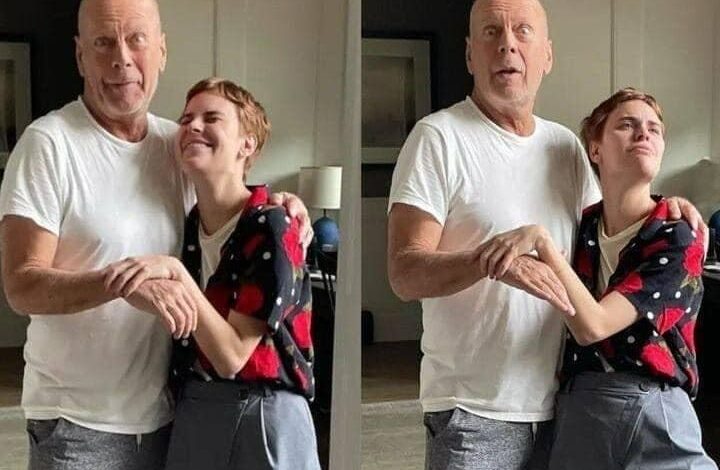
For decades, the Willis family has been admired not only because of Bruce Willis’s legendary career, but because of the genuine closeness they have always shown as a family. Long before social media made celebrity lives feel accessible, the Willises stood out for something quieter and more enduring: warmth, loyalty, and visible affection. They appeared together on red carpets, shared candid moments in interviews, and spoke openly about love and respect for one another. That sense of connection made many people feel invested in them not just as stars, but as people.
In recent years, however, the family has entered a chapter that looks very different from the glamorous image Hollywood often projects. When it was announced that Bruce Willis would be stepping away from acting due to cognitive health concerns, the news shifted the public’s perception of his story. What had once been the tale of an unstoppable action star became something far more human: a family learning how to navigate change, uncertainty, and caregiving together.
Bruce Willis’s retirement was not simply a professional decision. It marked a deeply personal turning point for everyone closest to him. The family’s statement was measured and thoughtful, expressing gratitude for years of support while asking for privacy as they adjusted to a new reality. In sharing the information at all, they opened the door to a broader conversation about cognitive health, family responsibility, and emotional resilience.
Bruce Willis has been a defining presence in modern cinema for more than three decades. His performances in films like Die Hard, Pulp Fiction, The Sixth Sense, Armageddon, and countless others cemented his reputation as a versatile and charismatic actor. To audiences around the world, he embodied strength, humor, and a kind of rugged reliability. Those qualities made the news of his diagnosis especially poignant. Fans were reminded that even icons are human, and that illness does not discriminate based on fame or success.
When the family later shared that Bruce had been diagnosed with frontotemporal dementia, the response was immediate and overwhelming. Messages of compassion poured in from colleagues, fans, and fellow performers. Many praised the family for their honesty, recognizing how difficult it must be to make such personal information public. Rather than fueling speculation, their openness encouraged empathy and understanding.
Supporting a loved one through cognitive change is a complex experience that extends far beyond medical appointments. It affects daily routines, communication, emotional balance, and family roles. Loved ones may grieve changes even while the person they care for is still present. There is often a quiet sense of loss mixed with deep commitment and love.
Families in these situations commonly experience a range of emotions. There can be sadness for what has changed, stress from new responsibilities, and fatigue from the constant need to adapt. Relationships shift as roles evolve, and patience becomes a daily practice rather than a virtue reserved for special moments. Above all, there is usually a shared determination to preserve dignity, comfort, and connection for the person at the center of it all.
The Willis family has approached this reality with visible unity. Their public messages consistently emphasize togetherness and care. They speak not about fear, but about love. Not about loss, but about presence. That tone has resonated with countless families facing similar challenges, reminding them that they are not alone.
Within this family story, Tallulah Willis has emerged as a particularly resonant voice. Over the years, she has spoken openly about her own emotional growth, mental health, and journey toward self-understanding. Her honesty has made her relatable to many people who see parts of themselves reflected in her experiences. She does not present herself as perfect or invulnerable; instead, she speaks with clarity and compassion about learning, healing, and evolving.
Tallulah has shared reflections on adulthood, self-image, family relationships, and the importance of mental health care. Her willingness to talk openly has helped reduce stigma and encouraged others to seek understanding rather than silence. As Bruce’s health became part of public discussion, it was natural for people to feel concern for how his children might be coping emotionally. That concern largely stems from empathy, not from any verified crisis or alarming information.
It is important to remain grounded in facts. The family has not released statements suggesting severe personal crises beyond what they have already shared. Public concern often arises because people recognize the emotional weight that caregiving can bring, especially when combined with public scrutiny. The most respectful response is to honor the family’s boundaries while appreciating the strength they have consistently shown.
Throughout this journey, the Willis family has continued to express gratitude for the support they receive. Whether through shared photos, thoughtful captions, or brief statements, their communication reflects love, unity, and resilience. They highlight moments spent together, appreciation for one another, and a commitment to navigating this chapter with compassion.
Their approach has contributed to a broader cultural conversation. Millions of families around the world are caring for loved ones with cognitive conditions. While each situation is unique, many experiences overlap: emotional strain, changing family roles, the importance of community support, and the need to find meaning in small, everyday moments. Seeing a well-known family speak openly, yet respectfully, about these realities helps normalize conversations that are often avoided.
Public dialogue around illness and caregiving carries responsibility. Ethical, respectful discussion avoids speculation and sensationalism. It prioritizes dignity over curiosity and accuracy over drama. The Willis family’s own tone sets a clear example of how such conversations can be handled with care.
For supporters wondering how to show care without overstepping, the answer is simple. Celebrate Bruce Willis’s work. Share gratitude for the joy his films have brought. Speak kindly and thoughtfully about cognitive health and caregiving. Respect privacy. Compassion does not require access to someone’s personal life.
As Bruce Willis moves forward surrounded by family, his legacy remains firmly intact. His influence on cinema is undeniable, but equally powerful is the example his family is setting in real life. They demonstrate that strength is not always loud or dramatic. Sometimes it looks like consistency, patience, and choosing love day after day.
The story of the Willis family is not defined by despair. It is defined by connection. It reflects the reality that life can change in ways no one plans for, and that how we respond to those changes matters deeply. Their unity, honesty, and grace offer a meaningful reminder that compassion—toward loved ones and toward ourselves—is one of the strongest forces we have.
In the end, their journey mirrors that of countless families everywhere. It is a story not about fame, but about humanity. About choosing presence over perfection, understanding over judgment, and love over fear.