The Silent Ticking Clock, Inside the Heart-Wrenching Reality of Israels High-Stakes Secret Operations
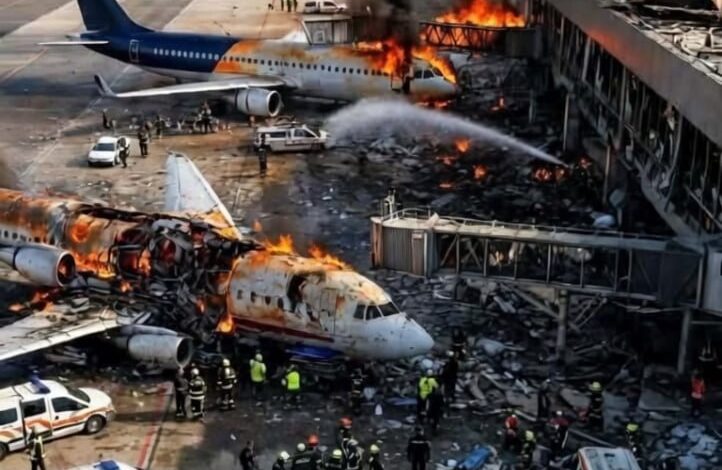
In the sterile, high-tension atmosphere of a national security briefing, an operation is often reduced to coordinates, tactical objectives, and calculated risks. But across the living rooms of Israel and the wider region, those same maneuvers are translated into a much more visceral language: the language of a mother’s racing heartbeat, a spouse’s unanswered call, and the suffocating silence of a household waiting for a sign of life. As news breaks of yet another significant and secretive operation on April 3, 2026, the world is once again reminded that military action is never just a geopolitical chess move. It is a human event, etched into the nerves of people forced to live inside the void of incomplete information.
The hidden cost of war reporting is often found in this “gap” between action and official confirmation. Before a military spokesperson takes the podium, and long before analysts can sift strategy from speculation, a community begins the agonizing process of imagining the worst. Parents think of children in uniform; neighbors look at one another with a shared, unspoken dread. In the first hours following a major operation, the public space is flooded with fragments: anonymous briefings, hints of intelligence preparation, and social media claims that outrun the speed of verification. This pattern has become a familiar, albeit exhausting, rhythm in a region where the stakes are permanently set at a maximum.
History has shown that in these moments, restraint is the most valuable currency. From the high-profile hostage-rescue raids of previous years to the broader regional escalations that dominate modern headlines, the full picture is rarely as clean as the initial reports suggest. Every successful extraction or tactical strike carries with it a deep complexity and a contested narrative. We saw this in the summer of 2024 during the Nuseirat operation; while the rescue of four captives was a moment of profound relief for their families, the operation was also marked by a devastating human cost and a whirlwind of conflicting reports from international and local officials.
The emotional truth of these events is that they do not end when the mission is marked “complete.” Credibility in understanding these moments comes from acknowledging what we do not yet know. In conflict reporting, the temptation to provide a definitive ending is the first mistake. The reality is that behind every headline, there are individuals carrying an invisible strain: intelligence teams working in shadows, soldiers operating on adrenaline, and families on both sides of a border trying to make sense of events they cannot control. War rarely offers a tidy conclusion; instead, it leaves a trail of consequences that persist long after the first news alert disappears from our screens.
The sharpest angle of this story isn’t a scripted tale of instant triumph or sudden tragedy. It is the story of a society forced to hold its breath. It is the collective experience of living for hours—or days—inside a vacuum of facts, where fear is the only constant. In that space, courage is certainly required, but so is a brutal honesty about the uncertainty of the situation. As the details of this latest operation gradually come into focus, the world watches with a familiar mix of hope and trepidation. We are reminded once again that while the tactical mission may be finished, the human story is only just beginning to unfold, and its true significance will be measured in the lives it has irrevocably changed.