The Biggest Difference Between First, Second, and Third Marriages!
Marriage has long been called one of life’s greatest adventures — a partnership that can define, challenge, and reshape who we are. Yet not all marriages are created equal. As people move from their first marriage to a second or even a third, their expectations, priorities, and understanding of love often change dramatically. Each stage reflects not only a different chapter in life, but also the lessons learned from the ones before.
The first marriage is often fueled by idealism. Most people enter it full of passion, hope, and big dreams about forever. There’s a sense of innocence — or maybe naivety — about what marriage really means. Many first-time couples believe love will naturally conquer all, unaware of how much patience, compromise, and communication it truly takes to sustain a long-term relationship. When real-life challenges hit — career stress, financial struggles, parenting differences, or personal growth — cracks can form quickly. It’s not that love disappears, but that many couples simply don’t yet have the tools to handle the weight of daily partnership. The first marriage often becomes the classroom where people learn what commitment really looks like when the honeymoon fades.
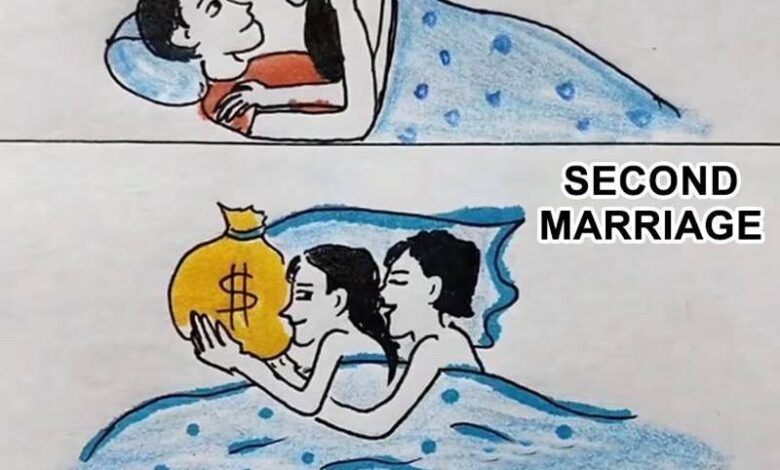
By the time a second marriage comes around, most people are more grounded. They’ve lived through heartbreak, divorce, or loss — experiences that force deep self-reflection. There’s less focus on fairy-tale love and more on compatibility, respect, and emotional balance. In many ways, the second marriage is an act of both courage and maturity. People enter it with a better understanding of what they need from a partner and what they can realistically give in return. Communication becomes a priority instead of an afterthought.
However, second marriages bring their own challenges. Blended families can complicate dynamics, especially when children from previous relationships are involved. Financial responsibilities may be more complex, and emotional baggage can surface unexpectedly. Still, the wisdom gained from past mistakes often leads to a more honest, intentional approach. Those who thrive in second marriages do so because they’ve learned the difference between compromise and sacrifice — and they understand that true partnership means growth, not perfection.
By the third marriage, the perspective often changes entirely. People at this stage usually know exactly who they are — and what they’re no longer willing to tolerate. There’s less interest in drama and more desire for peace, companionship, and stability. Third marriages tend to prioritize emotional safety over excitement, understanding over intensity. The focus shifts toward living life with someone who feels like home rather than chasing an idea of romance shaped by youth or societal expectations.
In a third marriage, priorities often align around shared values rather than surface-level attraction or social norms. There’s an acceptance that no one is flawless and that love, at its best, is about acceptance, patience, and the ability to weather storms together. The lessons of the past turn into quiet confidence — the understanding that happiness doesn’t come from finding the perfect partner, but from being the right partner yourself.
Ultimately, the evolution from first to third marriage reflects a journey of personal growth. The first is about discovery — learning what love means. The second is about understanding — realizing how to make it last. And the third, if it happens, is about peace — finding comfort and contentment in a relationship that feels steady and real.
Whether someone marries once or three times, the constant truth remains: success in marriage depends less on finding the “right” person and more on becoming the kind of person who can love deeply, communicate honestly, and grow continually. Every marriage, no matter how it ends or begins, offers lessons that shape who we are and how we love.
In the end, love doesn’t necessarily get easier with time — but it does become wiser. Each union reflects not just a new partner, but a new version of ourselves, hopefully one that’s stronger, kinder, and more ready to build something that lasts.