Taking this could be affecting your kidneys, consult your doctor!
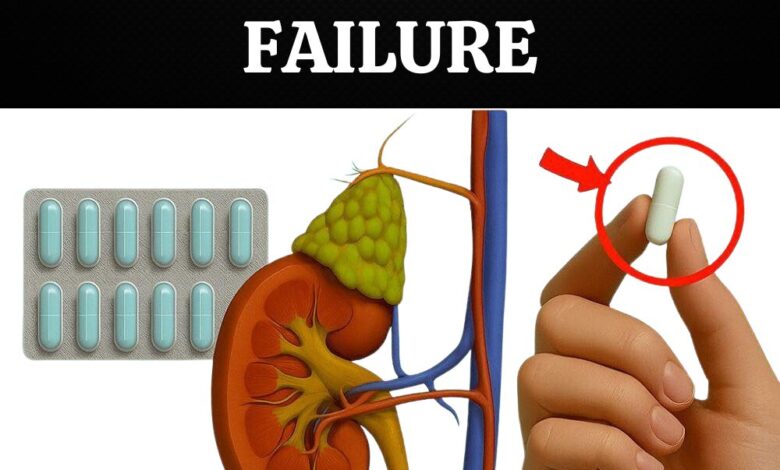
Kidney health rarely makes headlines until something goes wrong — and by then, it’s often too late. More than 800 million people worldwide live with chronic kidney disease, most without realizing it until symptoms become severe. The kidneys are resilient but vulnerable organs: small, silent workers that filter toxins, regulate blood pressure, and maintain the body’s delicate balance of fluids and electrolytes. Yet every day, millions unknowingly put their kidneys at risk through a simple, preventable mistake — the misuse of medication.
Many common drugs, even over-the-counter ones, can harm kidney function if taken incorrectly or for too long. While these medicines can be safe and effective under proper supervision, unsupervised or prolonged use may trigger kidney injury, sometimes permanently. Here are some of the most frequently used medications known to affect kidney health — and safer ways to manage them.
1. Proton Pump Inhibitors (PPIs): Omeprazole and Others
Omeprazole, a popular treatment for acid reflux, heartburn, and ulcers, is among the world’s most widely used drugs. However, long-term, unsupervised use of PPIs such as omeprazole, lansoprazole, or esomeprazole has been linked to kidney inflammation and even chronic kidney disease. The danger isn’t in occasional use, but in daily, extended consumption — often by people self-medicating for years without consulting a doctor.
Studies have shown that PPIs may cause a condition called acute interstitial nephritis, a type of kidney inflammation that can silently progress into chronic damage if undetected.
What to do instead: For mild or occasional acid reflux, H2 blockers like famotidine or ranitidine (under supervision) are generally considered safer for those without preexisting kidney issues. Always discuss long-term treatment options with your physician before relying on daily PPIs.
2. NSAIDs: Ibuprofen and Pain Relievers
Nonsteroidal anti-inflammatory drugs (NSAIDs) — such as ibuprofen, naproxen, and ketoprofen — are often the go-to choice for pain, headaches, or fever. However, these drugs work by reducing blood flow to the kidneys, limiting their ability to filter waste effectively. Prolonged use or high doses can trigger acute kidney injury, especially in people who are dehydrated, older, or already have conditions like diabetes or high blood pressure.
Regularly combining NSAIDs with alcohol or using them while sick (especially during flu or dehydration) dramatically increases the risk.
Recommendation: Never take NSAIDs for more than 10 consecutive days without medical advice. Avoid mixing different pain relievers. If pain persists, seek medical evaluation instead of increasing the dose on your own.
3. Aspirin, Naproxen, and Diclofenac
Although aspirin and similar NSAIDs like naproxen and diclofenac have important uses — from pain control to heart protection — excessive or prolonged use can lead to analgesic nephropathy, a condition where the kidneys slowly deteriorate over time. The result can be fluid retention, high blood pressure, and fatigue.
Warning signs of kidney stress include swelling in the legs or ankles, nausea, and reduced urine output. People with arthritis or chronic pain should consult a doctor about safer long-term alternatives or dosage adjustments.
4. Aminoglycoside Antibiotics
Antibiotics like gentamicin, tobramycin, and amikacin are life-saving drugs used for severe bacterial infections, particularly in hospitals. However, they are known for their nephrotoxic potential — meaning they can damage kidney tissue if blood levels get too high or if used repeatedly without careful monitoring.
This risk increases for patients who are elderly, dehydrated, or already battling other illnesses.
Recommendation: Aminoglycosides should only be used in hospital settings under strict medical supervision, where kidney function and drug levels are regularly monitored through blood tests.
5. Lithium for Bipolar Disorder
Lithium has been a cornerstone treatment for bipolar disorder for decades, helping stabilize mood and prevent manic episodes. But over years of use, lithium can harm the kidneys’ ability to concentrate urine, leading to nephrogenic diabetes insipidus or even kidney failure in rare cases.
This doesn’t mean patients should stop treatment — only that careful monitoring is essential.
What to do: Anyone on lithium therapy should have regular checkups, including kidney function tests and blood lithium levels, managed jointly by a psychiatrist and a nephrologist. Early detection of kidney stress allows for medication adjustments before lasting damage occurs.
6. Diuretics: “Water Pills”
Diuretics are often prescribed to control high blood pressure and fluid retention, especially in heart failure patients. They help the body eliminate excess salt and water — but overuse can backfire. Excessive doses can deplete essential electrolytes, leading to dehydration, low potassium levels, and decreased kidney function.
Tip: Diuretics should always be balanced with appropriate hydration and electrolyte monitoring. Patients should never increase or stop their dose without medical guidance, as sudden changes can destabilize blood pressure and kidney filtration.
7. Blood Pressure Medications (RAS Inhibitors)
Drugs like ACE inhibitors (enalapril, lisinopril) and ARBs (losartan, valsartan) are vital in managing hypertension and protecting kidneys in diabetic patients. However, in certain cases, especially when combined with dehydration, NSAIDs, or diuretics, they can cause a temporary dip in kidney function.
This effect is often reversible but requires close supervision.
Note: These medications are essential for most hypertensive or diabetic patients and should never be discontinued without a doctor’s approval. Instead, regular blood tests should track kidney function to ensure proper dosing.
How to Protect Your Kidneys
Kidney disease often develops silently — by the time symptoms appear, up to 80% of kidney function may already be lost. Prevention and early detection are key.
- Monitor your blood pressure: Hypertension is a leading cause of kidney damage.
- Stay hydrated: Aim for adequate water intake, especially if taking medications that affect kidney function.
- Avoid self-medication: Even common painkillers or antacids can be harmful if taken excessively or unnecessarily.
- Test regularly: Routine urine and blood tests can detect kidney stress early through markers like creatinine, urea, and albumin.
- Maintain a healthy weight: Obesity increases the risk of diabetes and hypertension — two leading causes of kidney failure.
- Control blood sugar: For diabetics, tight glucose control prevents microvascular kidney damage.
- Quit smoking: Tobacco constricts blood vessels and accelerates kidney deterioration.
- Limit alcohol: Chronic alcohol use dehydrates the body and strains kidney filtration.
The Bottom Line
Medications save lives — but when misused, they can quietly destroy the very organs that keep you alive. The kidneys, though small, bear the burden of filtering every substance that enters your bloodstream, including drugs and their byproducts. The key is balance: never fear medicine, but never take it lightly either.
Consult your doctor before starting, stopping, or combining medications. Ask whether you need kidney function tests, and listen to your body — fatigue, swelling, and changes in urination are early alarms worth investigating.
Protecting your kidneys isn’t complicated; it’s about awareness, discipline, and regular care. Because once kidney function is lost, it’s rarely regained — but with knowledge and vigilance, it’s often preventable.