She Rose to Success Quickly, and Her Passing Touched Many Hearts!
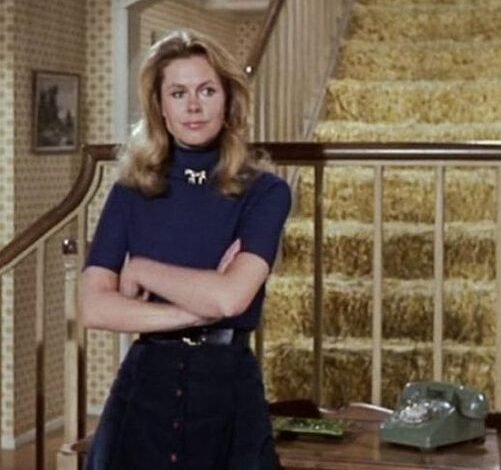
Elizabeth Montgomery’s name still sparks an instant image for millions—a graceful blonde witch with a mischievous smile and the iconic twitch of her nose. Her portrayal of Samantha Stephens in Bewitched didn’t just make her a star; it made her a permanent part of television history. Decades after the show first aired, people still speak of her with the same warmth and affection they felt when she first appeared on their screens. She rose to fame quickly, but even long after her passing in 1995, her presence lingers in a way few performers ever achieve.
Elizabeth wasn’t a manufactured Hollywood product. She came from a family deeply rooted in performance and storytelling. Born in 1933, she grew up surrounded by the craft—her father, Robert Montgomery, was a respected actor and director, while her mother brought her talents to the Broadway stage. That environment shaped her, but it never dictated her. Even as a child, she had her own ideas about who she wanted to be. She would curl into her father’s lap and tell him she was going to be an actress too. He encouraged her, not by pushing her into the spotlight, but by reminding her to grow into the work, not rush through it.
Her professional journey began earlier than many realize. Before she ever stepped onto a movie set, she appeared on her father’s show, Robert Montgomery Presents, introducing her to audiences at a time when television itself was still finding its identity. Her Broadway debut came in 1953, a performance that revealed a young actress with both talent and presence. Two years later, she made her film debut, marking the start of a career that would stretch across four decades and leave a lasting imprint on everything from drama to comedy to suspense.
Her personal life was complex—she married several times before finally finding lasting comfort with actor Robert Foxworth. They spent many happy years together before officially marrying later in life. Those who knew her say that Foxworth grounded her in a way she had long been searching for, offering stability after years of navigating Hollywood’s pressures and personal transitions.
Still, nothing shaped her public identity more than the role of Samantha Stephens. When Bewitched premiered in 1964, Elizabeth stepped into a character that captured the imagination of an entire generation. Samantha was playful, loving, witty, and strong—an enchanting mix of domestic charm and supernatural brilliance. Audiences adored her, and the series ran for eight successful seasons, becoming one of the most beloved sitcoms ever produced.
But she didn’t let herself be confined by the magic of that role. Once Bewitched ended in 1972, Elizabeth pushed into new territory. She began taking on dramatic roles in movies made specifically for television—an area that was still developing at the time. Her performances in titles like A Case of Rape and The Legend of Lizzie Borden showed audiences a different side of her. Critics praised her boldness, her willingness to take on darker, more challenging material, and her commitment to portraying complex women with depth and authenticity. Many credit her with helping pave the way for future actresses in the made-for-TV movie landscape. She brought weight to the format, proving it could be more than filler programming.
Off-screen, Elizabeth carried herself with the quiet resilience of someone who understood both the privileges and burdens of her industry. She handled fame with grace and approached her craft with seriousness, even when the roles were light-hearted. In interviews, she was thoughtful, grounded, and warm—qualities fans saw mirrored in many of her characters. She maintained an air of elegance, but never arrogance. She had the rare gift of making people feel seen, even from behind a screen.
In her later years, Elizabeth faced a private battle with cancer. True to her nature, she chose to keep her illness quiet, sharing the details only with those closest to her. Even as her health declined, she continued to work, giving each performance the same dedication that had defined her career from the beginning. When she passed away in 1995 at her Beverly Hills home, surrounded by family, the news broke the hearts of fans across the world. She was only 62.
The shock of her passing still lingers because she was one of those rare figures who felt timeless—an actress whose charm transcended generations. For many, she wasn’t just Samantha from Bewitched; she was a symbol of simpler times, of childhood memories, of the golden glow of classic television. She was the kind of star who didn’t need flash or scandal to stay relevant. Her talent and personality did the work for her.
Today, Elizabeth Montgomery remains a beloved figure, not just for her acting but for the way she embodied authenticity in an industry that often rewards the opposite. Fans still revisit Bewitched. They still quote her lines, watch her old interviews, and talk about the way she could capture a scene with nothing more than a raised eyebrow or a gentle smile. Younger generations continue to discover her, proving her appeal is far from limited to the era she came from.
Her legacy is woven from talent, persistence, vulnerability, and charm—qualities that made her unforgettable in life and enduring in memory. Elizabeth Montgomery rose to success quickly, but she earned every moment of it. Her passing touched millions, yet the brilliance she brought to the screen ensures she will never truly disappear. Through her work, her spirit remains alive—a reminder of how powerful one life can be when it’s lived with passion and grace.