Old Man Asks Son to Take Him to Nursing Home as Opposed to Living with His Family!
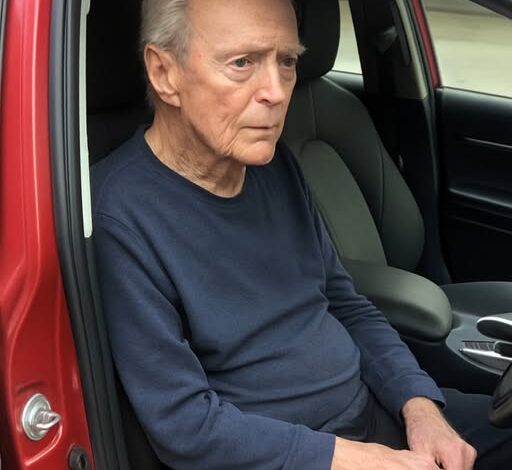
After losing his home in a fire, Donald Harper had no choice but to move in with his son Peter and his daughter-in-law Sandra. The blaze had destroyed nearly everything he owned, and while he was at the supermarket when it happened, the shock of returning to ashes had been too much—he’d suffered a heart attack that night. When he recovered, Peter and Sandra insisted he come live with them. They wouldn’t take no for an answer.
At first, everything seemed fine. Donald adored spending time with his grandchildren, telling them stories about his younger days, and helping out around the house. He cooked, did chores, and looked after the kids when Peter and Sandra worked late. But as weeks turned into months, a thought began to fester: maybe he was becoming a burden.
That idea didn’t come from nowhere—it came from Mary, the neighbor across the street. She was around his age and came over often for tea on the porch. “I’m telling you, Donald,” she’d said one afternoon, sipping her drink with an air of authority. “Your son will get tired of having you around. He won’t say it to your face, but trust me, they’ll start hinting soon. Better to move before that happens.”
Donald chuckled weakly, not wanting to believe it, but Mary was relentless. “It happened to me,” she continued. “My daughter asked me to stay while they fumigated my house, and in three weeks, she blamed me for everything. Said I was noisy, raised her electric bill, and disrupted her routine. I left before we said something we’d regret. Families need boundaries, you know.”
That night, Donald sat in his room thinking about what she’d said. Maybe Mary had a point. Lately, Peter and Sandra had been coming home later than usual, looking exhausted. They always smiled at him and thanked him for helping with the kids, but maybe that was just politeness. Maybe they needed their space back.
The next evening, when Peter returned from work, Donald pulled him aside. “Son,” he began hesitantly, “I’ve been thinking. Maybe it’s time I moved into a nursing home. You and Sandra have your own lives, and I don’t want to get in the way.”
Peter looked startled. “Dad, now’s not the time for that conversation,” he said, brushing it off. “Let’s talk about it later.”
But “later” didn’t come. Months passed. Peter and Sandra still looked tired every night when they walked through the door. Donald convinced himself that his presence must be wearing them down. So he started researching nursing homes. He found one nearby in Chesapeake, Virginia—close enough that Peter could visit easily. He even printed out the brochures and circled the amenities: on-site medical staff, community events, beautiful gardens. It seemed nice enough.
That evening, he gathered his courage and approached Peter again. “I’ve found a place, son,” he said, handing him the papers. “It’s close, affordable, and I can pay for it myself. Maybe we should go see it.”
Peter looked at the brochures for a long moment and finally nodded. “Okay, Dad. Let’s visit it tomorrow.”
Relief washed over Donald. Maybe it was for the best. Mary was right—better to leave on good terms before his presence became a strain.
The next morning, they set out early. Donald sat in the passenger seat clutching the brochures while Peter drove. But after several turns, the older man frowned. “Are you sure this is the right way?” he asked. “Feels like we’re heading back toward your place.”
Peter smiled. “We need to make a quick stop first, Dad. I have to pick something up.”
Donald shrugged, settling back into his seat. He opened the brochures and started reading aloud the descriptions of the nursing home’s amenities—private rooms, a recreation center, weekend outings. He was so focused that he didn’t notice when the car stopped.
“Oh, grab me a bag of chips if we’re at the 7-Eleven,” he muttered.
Peter chuckled softly. “We’re not at 7-Eleven, Dad. Look up.”
Donald lifted his gaze—and froze. Outside the window stood a house he thought he’d never see again: his house. The same lot. The same street. But instead of a charred ruin, it stood there whole, freshly painted, the porch rebuilt, the yard neatly trimmed. His breath caught in his throat.
“No…” he whispered. “You didn’t.”
Peter’s grin widened. “Of course I did. Well, we did. Sandra found the contractors, and we worked nights to get it done. It’s taken months, but it’s finally finished.”
Donald’s hands trembled as tears welled in his eyes. “That must’ve cost a fortune. Peter, you can’t—let me pay you back.”
Peter shook his head. “Absolutely not. You raised me in this house. You gave me everything I have. Did you really think I’d let you live in a nursing home? I don’t know where you got that idea, but there’s no way I’d let that happen.”
He reached over and placed a hand on his father’s shoulder. “This isn’t charity, Dad. It’s gratitude. You and Mom built a life here. I couldn’t let that be lost. Besides, it’s only a few blocks from our place, so we’ll be close. You deserve this home back.”
Donald couldn’t speak. The tears spilled freely as he covered his face with his hands. All the guilt, the self-doubt, the fear of being unwanted—gone in an instant. Peter’s words washed over him like sunlight after a storm.
When he finally managed to look up, his son was smiling through his own tears. “Come on, Dad. Let’s take a look inside.”
The house was unrecognizable—modern, bright, filled with new furniture. The scent of fresh paint and polished wood filled the air. Yet beneath it all, it still felt like home. Donald’s home. The place where he and his late wife had raised their boy, where they’d celebrated birthdays and Christmases, where life had once felt whole.
As they walked through the rooms, Donald ran his fingers along the walls, almost afraid it wasn’t real. “It’s perfect,” he whispered. “Better than before.”
Peter nodded. “We wanted it that way.”
Donald turned to him. “You’ve been working on this all these months, haven’t you? That’s why you were always getting home so late.”
Peter laughed. “Yeah. We wanted to surprise you. Sandra and I were worried you’d notice, but you never suspected a thing.”
Donald smiled through tears. “I should’ve trusted you instead of listening to that neighbor of mine. Mary kept saying you’d get tired of me.”
Peter rolled his eyes. “Mary’s wrong, Dad. You’re family. That’s what matters. You’ll always have a home with us.”
Father and son stood there for a moment in silence, the weight of love and gratitude filling the space between them. Then Peter pulled his father into a hug—tight, unspoken, and full of everything that words couldn’t express.
That night, as Donald sat on the new porch watching the sunset, he felt peace for the first time in a long while. He thought about Mary and her bitterness, about how easy it is to let someone else’s fear shape your own choices.
He smiled to himself and whispered, “Not every story ends the same way.”
What we learn from this story:
- Don’t let other people’s experiences define your own. What happened to Mary wasn’t destined to happen to Donald—each family is different.
- Taking care of our parents is not a burden but a privilege. Love, gratitude, and respect create bonds that even hardship cannot break.
Donald’s journey began with loss but ended with love restored—a reminder that sometimes, home isn’t just a place. It’s the people who refuse to let you face life alone.