I Love You Were the Last Words, Then the Ambush Began!
They were the kind of men a town relies on without ever naming it. Dependable. Quiet. The ones who show up early, stay late, and don’t need applause. One coached youth baseball, the kind who fixed the field before anyone arrived and locked the shed after everyone left. He taught kids how to slide without fear and lose without excuses. The other worked nights—long warehouse shifts, overtime when it was offered—because daycare bills didn’t care how tired you were and mortgages didn’t wait. These weren’t headline lives. They were load-bearing ones.
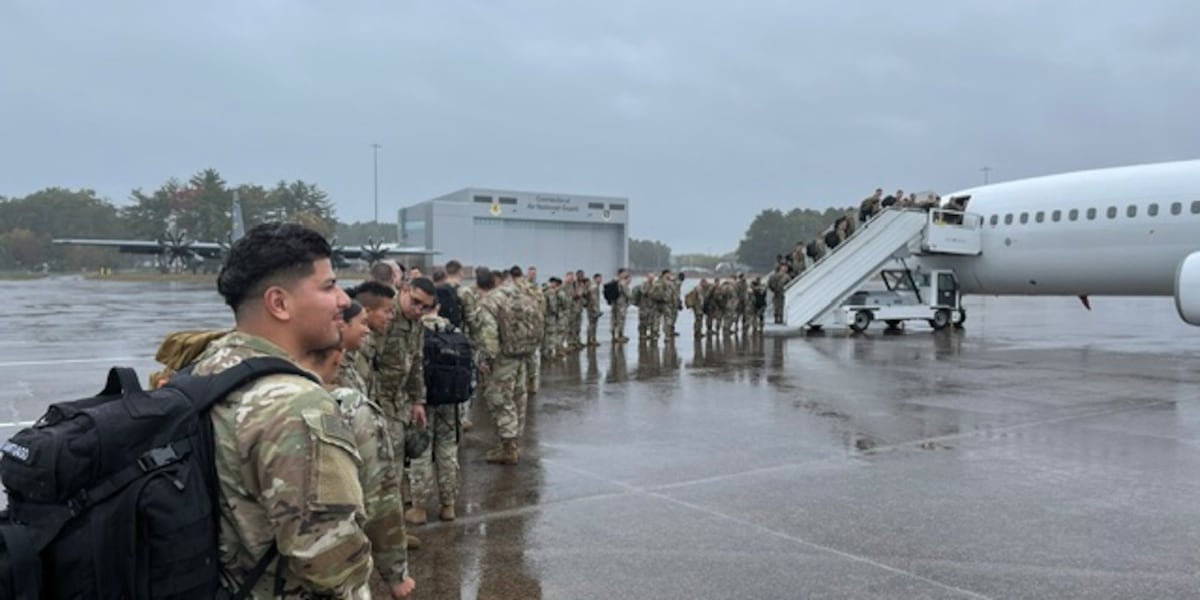
When deployment orders came, the town responded on instinct. Casseroles appeared on porches. Flags went up along Main Street, stiff in the Iowa wind. Neighbors repeated what they’d been told because repeating it made it easier to believe: this mission was low risk. Advisory. Routine. Presence, not combat. At the airport, the men wore dress uniforms and practiced calm smiles for their families. They hugged longer than usual. One of them turned back just before boarding, phone already in his hand, and said the last words his wife would ever hear from him: “I love you.”
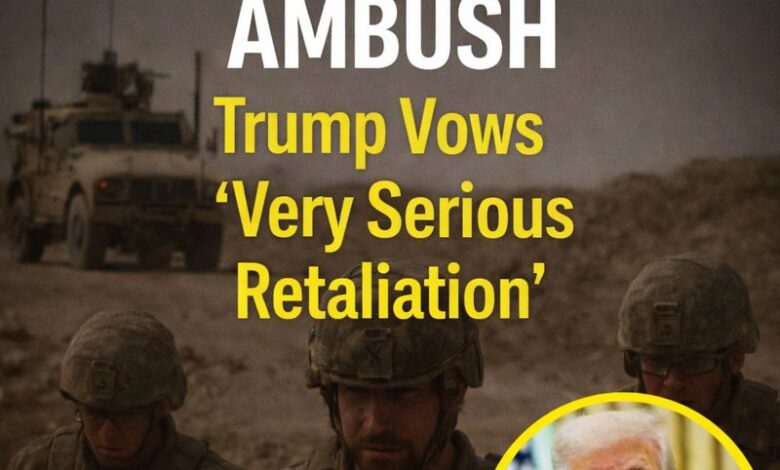
The desert does not respect promises. Outside Palmyra, the road was flat and familiar, traveled so many times it felt almost safe. A routine patrol moved forward under a washed-out sky. No dramatic warning. No obvious threat. A lone gunman knew the terrain and waited. The first shots created confusion. The next ended lives. In minutes, the phrase “low risk” became meaningless, stripped of comfort and credibility.
Back home, the news didn’t arrive all at once. It never does. It came in fragments—an urgent phone call, a request to sit down, a knock at the door. Uniformed officers stood on familiar porches, their posture precise, their expressions tight. In Iowa, grief moved into ordinary spaces. A pickup truck stayed parked in the driveway, collecting dust. A lunch pail sat where it had been set down for the last time. A phone stayed silent, never lighting up with the message everyone had been waiting for: “Landed safe.”
Families learned a new vocabulary overnight. Casualty notification. Line of duty. Posthumous. Words designed for reports and records, not living rooms filled with stunned silence. Children asked when Dad was coming home. Wives answered with honesty that felt cruel because it had to be. Neighbors wanted to help but didn’t know how, so they brought more food long after no one could eat. Grief didn’t shout. It pressed down, heavy and constant.
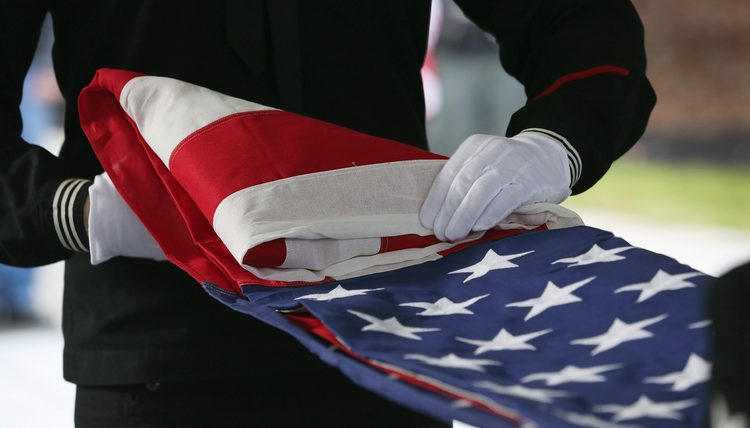
Politicians spoke quickly. They always do. Statements were released, microphones adjusted, phrases like strategy and deterrence rolled out with practiced ease. The language was clean and distant. It sounded reasonable on television. It sounded hollow in homes where folded flags rested on coffee tables and people traced the seams with their fingers, trying to understand how an entire life could be reduced to a precise triangle of cloth.

The funerals followed protocol. Military precision has a way of making grief look organized, almost manageable. Boots were aligned. Rifles fired in controlled bursts. The bugle’s notes lingered in the air longer than expected. When the flag was presented, it was done flawlessly, and somehow that made it worse. Pride was there—real pride—but it didn’t cancel the anger. It lived beside it, sharp and unresolved.
Stories poured out, overlapping and urgent. He never missed a game. He always covered shifts. He believed in showing up. These weren’t exaggerations made for ceremony. They were habits people had come to rely on. The kind you assume will always be there tomorrow. The kind you don’t realize are irreplaceable until they’re gone.
In private moments, the question surfaced. Not shouted. Not political. Just human. Was it worth it? Not the mission as written in briefings, but the actual outcome. The empty chair at the table. The birthdays marked by absence. The futures rewritten without permission. There were no clean answers, and anyone offering one sounded dishonest.
Life moved forward because it had to. The baseball season started without one of its coaches. Another volunteer stepped in, careful and respectful, but the kids noticed the difference. Workplaces adjusted schedules and covered shifts. Sympathy cards piled up, each one trying and failing to capture what was lost. Normal routines resumed in pieces, stitched together with effort.
The town kept its flags up longer than usual. Not out of ceremony, but reluctance. Taking them down felt like admitting something was finished when it clearly wasn’t. Grief didn’t follow a timeline. It showed up in grocery aisles, at stoplights, during songs on the radio. People learned to live with it the way you live with bad weather: acknowledge it, endure it, move anyway.
What remains isn’t a lesson or a slogan. It’s a record. Two men did what was asked of them, trusted the assurances they were given, and paid the full price when those assurances failed. Their families carry the weight of that gap between promise and reality. The rest of us carry a responsibility to remember them honestly, without soft focus, without comforting lies, and to sit with the discomfort of a question that will never have an answer.
