Celebrating Enduring Talent!
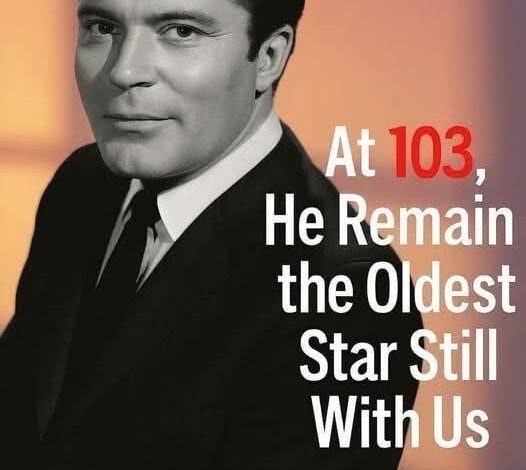
In the ephemeral world of global entertainment, where trends flicker and fade with the speed of a digital refresh, true longevity has become the ultimate hallmark of mastery. It is a quality that reflects far more than simple survival; it is a testament to resilience, an unyielding passion, and a grit that refuses to be dampened by the passing of decades. As we navigate the mid-2020s, a rare group of veteran performers continues to captivate the public imagination, proving with every appearance that creativity does not possess an expiration date. These icons serve as living conduits, connecting modern, fast-paced audiences to the foundational eras of music, film, and television. In doing so, they do more than merely perform; they preserve the very DNA of our cultural traditions while providing a blueprint of inspiration for the generations currently finding their voices.
The presence of these seasoned artists in 2026 offers a profound perspective on the evolution of the human spirit. By remaining active and engaged, they demonstrate that artistic expression is not a finite resource that depletes with age, but rather a wine that deepens and clarifies through the passage of time. Their careers are rooted in an authenticity that was forged in a pre-digital world—a time when craft was honed through thousands of hours of live performance, physical film reels, and the intimate, analog connection of a radio broadcast. Today, as they participate in retrospective interviews, surprise special performances, or cross-generational collaborations, they share insights that can only be gained from a lifetime spent in the crucible of the spotlight.
Many of these individuals played pivotal, transformative roles in shaping the cultural landscape of the 20th century. They were the architects of iconic films that defined social movements, the voices behind melodies that provided the soundtrack for historical shifts, and the faces that brought a sense of unity to a nation through the golden age of television. Their work established the high-water marks that future artists still strive to reach. This sense of cultural continuity is vital; in a world that often feels fragmented and untethered from its past, these performers act as a stabilizing force, reminding us of the threads that bind the current avant-garde to the classical masters.
A singular and breathtaking example of this enduring vitality is found in the life and career of Ray Anthony. As a legendary trumpeter, composer, and bandleader, Anthony is a man whose career has not just spanned eras, but has actively defined them. Approaching the extraordinary milestone of 103 years of age, he remains a vibrant embodiment of dedication. Anthony’s journey began in the swing era, playing in the prestigious Glenn Miller Orchestra, and he eventually became a star of the big band era in his own right. His “Ray Anthony Show” was a staple of early television, and his hits, like the iconic “Bunny Hop,” became part of the collective American memory.
Today, Anthony stands as one of the last remaining links to the big band era, yet he does not exist as a museum piece. He remains a symbol of the “always open” mind, continuing to engage with music and his audience with a fervor that would put many performers half his age to shame. His influence in 2026 comes not from a desperate grab for the spotlight, but from a quiet, dignified devotion to the art of the song. He reminds us that true influence is a slow-burn achievement—a masterpiece painted across a century-long canvas. When Anthony speaks or plays today, he carries with him the echoes of the Dorsey Brothers, the elegance of the 1950s, and the resilience of a man who has witnessed the world reinvent itself dozens of times over.
This celebration of enduring talent also highlights a significant shift in how society views aging in the professional sphere. The “retirement” age for a true artist is becoming an obsolete concept. Whether it is a legendary actress taking on a complex character study in her 90s or a musician like Anthony maintaining his signature sound past his centennial, these individuals are challenging the ageist tropes that have long dominated the industry. They prove that experience brings a “theological depth” to performance—a layer of subtext and soul that simply cannot be manufactured by youth. Their presence bridges the gap between the “Greatest Generation” and Gen Z, creating a space where the wisdom of the past can inform the innovation of the future.
The practical lessons to be drawn from such longevity are immense. These veterans teach us about the importance of maintaining one’s instrument, the necessity of adapting to technological shifts without losing one’s core identity, and the value of integrity over short-term fame. In an industry often criticized for its “disposable” nature, these long-term careers stand as monuments to sustainable success. They show that by staying grounded in the fundamentals of one’s craft and maintaining a genuine connection with the audience, it is possible to navigate the tumultuous waters of celebrity for eighty, ninety, or even one hundred years.
Furthermore, the stories of these performers offer a sense of “angelic comfort” to an audience that is itself aging. Seeing a contemporary of one’s parents or grandparents still thriving and creating provides a powerful psychological boost. It reinforces the idea that life’s “third act” can be a period of immense productivity and social relevance. When we see an athlete at the Winter Olympics being sent home for a lack of discipline, the contrast with a 103-year-old artist who still practices his craft every day is stark. It underscores the fact that talent is only half of the equation; the other half is the discipline and the character required to sustain it.
As we look toward the remainder of 2026, the cultural appetite for these “legacy” artists shows no signs of waning. If anything, the chaos of the modern world has made us crave the stability and the proven excellence they represent. Every interview Ray Anthony gives, every note he plays, and every story he tells is a precious gift to the historical record. He and his peers are the guardians of a standard of professionalism that is increasingly rare. They are the individuals who taught us how to dance, how to dream, and how to stay curious long after the world expects us to settle down.
Ultimately, the story of enduring talent is a story of the human heart’s capacity for renewal. It is about the “unbroken resolve” to stay relevant and the “steadfast hope” that there is always one more song to play or one more story to tell. By honoring figures like Ray Anthony, we are not just looking backward at a storied past; we are looking forward at the potential within all of us to live a life of meaning and creative contribution, regardless of the number on our birth certificate. The spotlight may change its hue, and the stages may move from theaters to digital screens, but the essence of the great performer remains constant. They are the beacons that guide us through the dark, the voices that remind us of our shared humanity, and the living proof that a life devoted to art is a life that truly never ends. Their legacy is not just the work they leave behind, but the very way they chose to live—passionately, authentically, and forever in tune with the music of existence.