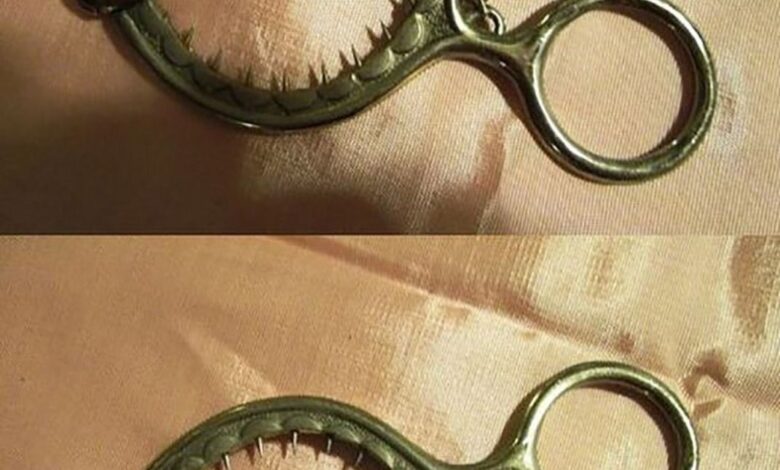
But what is the purpose of this object?
There is a specific, tactile pleasure to a slow morning: the steam rising from a fresh cup of coffee, the crunch of buttered sourdough, and the anticipation of a perfectly prepared soft-boiled egg. The ideal specimen boasts a set white and a liquid, golden yolk—a culinary gemstone waiting to be unearthed. Yet, for many, the ritual is marred by the clumsy mechanics of the opening act. We have all been there, wielding a teaspoon like a blunt instrument or a butter knife with the precision of a hatchet, only to end up with a cratered shell, shards of calcium in our food, and a yolk that has prematurely surrendered its contents to the plate.
However, tucked away in the velvet-lined drawers of gourmet kitchens and the cabinets of those who value the intersection of physics and breakfast, lies a curious little utensil. To the uninitiated, it looks suspiciously like a vintage cigar cutter or perhaps a specialized tool from a jeweler’s bench. It is compact, typically rendered in brushed stainless steel, and possesses a weight that hints at its mechanical integrity. This is the egg topper, also known as the egg cracker or “clacker,” and it is the secret weapon for anyone who believes that savoir-vivre—the art of living well—starts at the breakfast table.
The design of the egg topper is a masterclass in minimalist engineering. It typically consists of a small, bell-shaped cap attached to a central rod. At the top of this rod sits a weighted plunger or a spring-loaded handle. At first glance, its purpose is a mystery; it lacks the serrated edges of a saw or the sharp blades of a traditional slicer. Yet, the genius of the tool lies not in cutting, but in the calculated application of vibration.
To use this marvel of precision, one must first nestle the soft-boiled egg securely into an egg cup. The bell of the topper is then lowered onto the apex of the egg, fitting snugly against the shell. The user pulls the weighted handle upward, creating tension, and then simply lets go. As the weight drops, it strikes the bell, sending a controlled shock wave through the shell. This vibration travels in a perfect circle, snapping the proteins and calcium of the shell along a precise meridian without ever touching the delicate white or yolk beneath.
The result is a clean, surgical fracture. With a gentle lift of the cap—or a quick assist from a knife tip—the “lid” of the egg pops off in one solid piece. The yolk remains undisturbed, a pristine pool of gold ready for the ritual of “soldiers” or toast points. It is a moment of pure culinary satisfaction, turning a potentially messy chore into a performance of effortless elegance. No more picking at tiny fragments of shell with your fingernails; no more jagged edges ruining the aesthetic of your brunch.
In the world of professional gastronomy, presentation is paramount, and the egg topper is a staple in high-end hotels and bistros. It allows chefs to serve eggs in their shells as vessels for mousses, caviars, or traditional dippy eggs with a level of uniformity that manual cracking simply cannot match. But the beauty of this gadget is that it brings that professional touch into the domestic sphere. It is intuitive and quick, requiring no more effort than a flick of the wrist, yet it immediately elevates a Sunday breakfast from a caloric necessity to a sophisticated event.
Beyond its functional utility, there is a certain retro charm to the egg topper. In an age of plastic disposables and over-engineered electronic kitchen appliances, this manual, metal tool feels like a relic of a more deliberate era. It is a conversation starter—an “unexpected ally” that catches the eye of guests. When you produce it during a family brunch, it invites questions and inevitably leads to a demonstration that delights both children and adults alike. There is something inherently satisfying about the “click” of the mechanism and the subsequent reveal of the perfect yolk.
Furthermore, the egg topper is the ultimate solution for those who embrace the “Tiny House” philosophy or simply prefer a clutter-free kitchen. Unlike a bulky food processor or a specialized egg cooker, the topper is incredibly discreet. It slides into a utility drawer alongside the whisks and zesters, taking up no more room than a set of measuring spoons. It is a high-impact tool with a low-profile footprint, proving that you don’t need a sprawling kitchen to live with style and purpose.
The soft-boiled egg has long been a symbol of domestic refinement, appearing in classic literature and cinema as a hallmark of the well-ordered life. By utilizing a tool like the egg topper, you are participating in a long tradition of culinary etiquette. It encourages you to slow down, to appreciate the geometry of your food, and to treat the first meal of the day with the respect it deserves. It is a small investment that pays dividends in daily pleasure, transforming a mundane habit into a refined ritual.
As we move toward a world that increasingly values “slow living” and the quality of our experiences over the quantity of our possessions, the humble egg topper stands as a testament to the power of the “little things.” It reminds us that there is a solution for every minor frustration and that precision can be a form of kindness we show ourselves. Whether you are a die-hard fan of the three-minute egg or a weekend brunch enthusiast, this discreet tool restores the prestige to the egg and adds a touch of sophistication to your mornings.