BREAKING UPDATE US strikes Irans Qeshm Island in the Strait of Hormuz after Iran fired on a US aircraft officials confirm
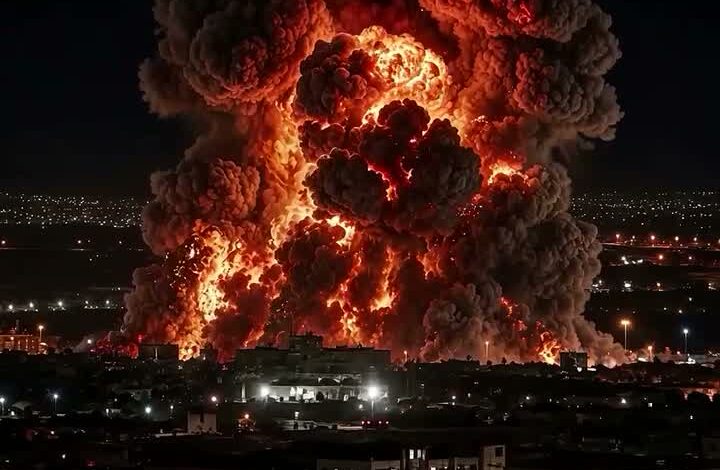
Tensions between the United States and Iran have escalated following American military strikes on Iran’s strategic Qeshm Island, located in the Strait of Hormuz. U.S. officials described the operation as a defensive measure after Iranian forces reportedly fired at an American aircraft. The strikes targeted Iranian military positions believed to pose a threat to U.S. assets operating in the region.
According to U.S. officials, the military action was limited and intended to protect American forces rather than signal the beginning of a broader offensive. Reports indicated that several explosions were heard on Qeshm Island, with nearby communities also hearing the blasts. Iranian state-affiliated media confirmed explosions in the area, although details about the full extent of the damage remained unclear.
Qeshm Island holds significant strategic importance because of its location near the Strait of Hormuz, one of the world’s most important shipping routes. A major portion of global oil shipments passes through this narrow waterway, making any military confrontation in the region a serious concern for international energy markets. Any further escalation could threaten commercial shipping and create additional economic uncertainty worldwide.
The developments come amid continued tensions between Washington and Tehran, with both sides facing growing pressure over military operations and control of the vital waterway. Diplomatic efforts have also been underway to prevent the conflict from escalating further. For now, the situation remains highly sensitive, and the international community is watching closely to see whether the latest strikes will lead to further military action or renewed efforts toward an agreement.
The reported exchange put fresh attention on the risk that a confrontation involving military aircraft could have consequences for nearby civilian activity. The island sits beside a waterway used by vessels carrying cargo between the Persian Gulf and destinations farther abroad. That proximity makes the effects of an incident important to people far beyond the immediate area, even when officials describe the military action itself as limited.
For companies that depend on passage through the strait, the practical questions concern whether ships can keep to their schedules and whether crews face any new restrictions. A report of explosions alone does not establish that a shipping lane was closed or that cargo movements stopped. Those are separate developments that would need to be confirmed through maritime advisories and reports from operators. The commercial implications depend heavily on how long any disruption lasts.
Details about the immediate aftermath were limited. The accounts described blasts near the island, but did not establish a complete picture of what happened on the ground. Reports from residents and statements by officials offer different kinds of information. Residents can describe what they heard, while official accounts address the reasons given for the operation. Neither, on its own, establishes the extent of damage.
The larger question is how Washington and Tehran respond after the exchange. A limited military action can end with no further exchange, but it can also leave both governments weighing their next steps. The stakes include the safety of people living near the strait, the crews aboard ships passing through it, and the prospects for talks aimed at preventing another confrontation.