Authorities Confirm Discovery in Case of Missing Child Melodee Buzzard!
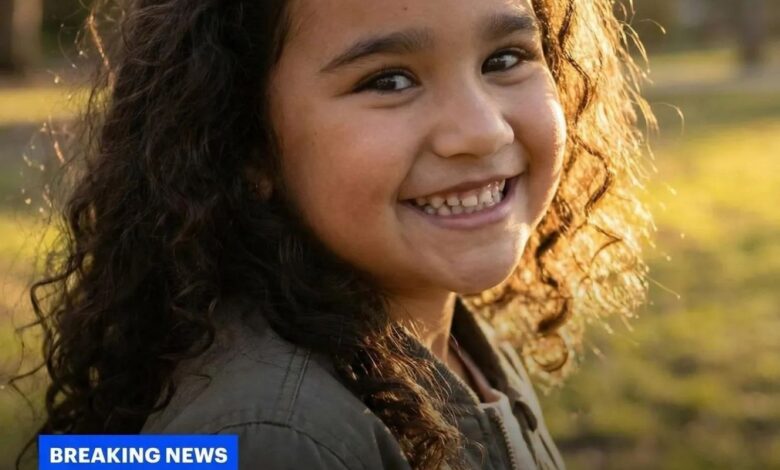
The search for nine-year-old Melodee Buzzard, a case that has gripped the conscience of the public and frustrated law enforcement for nearly three months, reached a devastating conclusion this week. Authorities have confirmed the recovery of the child’s remains in a remote area of Utah, marking a grim end to a multi-state investigation defined by evasion, silence, and missed opportunities for intervention. The discovery has transformed a missing person search into a complex criminal investigation, raising urgent questions about the systemic failures that allowed a vulnerable child to slip through the cracks of the social welfare and educational systems.
The timeline of Melodee’s disappearance is as harrowing as its conclusion. While she was officially reported missing by a vigilant school administrator on October 14, investigators now believe the child may have lost her life weeks earlier, likely in the first days of October. This discrepancy highlights a terrifying gap in oversight; by the time the machinery of law enforcement began to turn, Melodee was already gone. The recovery of her body in Utah follows a digital and forensic breadcrumb trail that tracked the child and her 40-year-old mother across more than 1,500 miles of the American West. Using a combination of rental car records, cell tower pings, and surveillance footage, detectives reconstructed a frantic and erratic journey through several states—a route investigators believe was intentionally designed to avoid detection and obfuscate their whereabouts.
The investigation reached a critical turning point early Tuesday morning in the quiet community of Lompoc, California. After DNA testing confirmed that the remains found in Utah were indeed those of Melodee, deputies from the Santa Barbara County Sheriff’s Office moved to detain the mother. Neighbors captured the somber scene on video: after receiving no response to their knocks, law enforcement forced entry into the residence. The mother was subsequently led out in handcuffs, escorted to a waiting patrol vehicle without incident. While formal charges related specifically to the child’s death are pending the results of a scheduled press briefing and further forensic analysis, her detention marks the first step toward legal accountability in a case characterized by a chilling lack of maternal cooperation.
From the outset of the disappearance, the mother’s behavior stymied efforts to bring Melodee home safely. According to lead investigators, she consistently declined to cooperate with authorities, refusing to provide even basic information regarding her daughter’s location or health. This wall of silence forced detectives to rely almost entirely on forensic reconstruction, a painstaking process that consumed precious time. The complexity of the travel route—involving multiple stops across the western states and the use of a rented vehicle—suggested a level of deliberation that has become a central focus of the ongoing inquiry.
As the news of the discovery broke, Melodee’s extended family began to voice a grief that is heavily laced with indignation. Their testimonies paint a picture of a child living in the shadow of instability long before her death. Relatives revealed that they had not been allowed to see Melodee for over a year, a period during which they had repeatedly raised alarms regarding the mother’s mental health and overall stability. They spoke of a history of custody disputes and intermittent involvement from social services—interventions that, in their view, were insufficient and lacked the necessary follow-through to ensure the child’s safety. “The system failed her,” was the recurring sentiment among loved ones who believe that the warning signs were ignored by those empowered to act.
The case of Melodee Buzzard has resonated far beyond the borders of Utah and California, sparking a national conversation about the efficacy of child welfare oversight. It serves as a tragic case study in the limitations of current protocols, particularly when a parent chooses to isolate a child from their community and support network. Educators, often the first line of defense for children in precarious situations, played a pivotal role in this case; it was a school official’s intuition that sparked the initial report. However, the fact that Melodee could be absent and potentially deceased for weeks before that report was filed has led to calls for more rigorous and immediate attendance tracking and welfare check procedures.
The psychological toll on the community of Lompoc and the investigators involved is significant. For months, there was a glimmer of hope that Melodee might be found alive, perhaps hidden away in a different state. The confirmation of her death in a desolate area of Utah has extinguished that hope, replaced by a somber determination to seek justice. The Santa Barbara County Sheriff’s Office has emphasized that while the discovery of the remains provides a form of closure, the work is far from over. The priority has shifted to a meticulous examination of the cause and manner of death, which will dictate the severity of the charges brought forward.
As the legal process begins to unfold, the focus remains on transparency. The public, moved by Melodee’s bright smile in the photos circulated during the search, is demanding to know how a nine-year-old could be taken across state lines and lose her life without a more immediate intervention. The scheduled briefings by law enforcement are expected to shed light on the specific evidence found at the scene in Utah and the nature of the mother’s actions during that 1,500-mile odyssey.
Melodee’s legacy, though born of tragedy, may ultimately lie in the reform of the very systems that failed to protect her. Her story is a poignant reminder that child safety is a collective responsibility, requiring seamless communication between schools, law enforcement, and social services. It highlights the need for a more aggressive response when family members report long-term isolation or mental health crises within a household. For now, a small girl who deserved a life of safety and education is being mourned by a nation that watched her story unfold with bated breath.
The road to justice will be long and legally complex, involving multiple jurisdictions and a wealth of forensic evidence. However, the recovery of Melodee’s remains ensures that she will not be forgotten in an unmarked grave in the desert, but rather remembered as a child whose life had value and whose death demands an accounting. As the Lompoc community prepares to hold vigils for the girl they lost, the legal system prepares to answer the question of how this happened and who is responsible for the silence that followed her final moments.