Behind the glitter! The dark childhood of a Hollywood icon
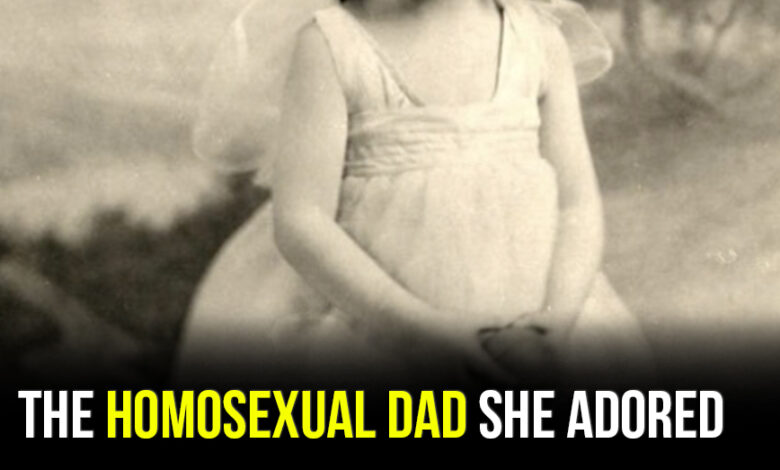
Judy Garland was presented to the world as magic. On screen, she radiated innocence, wonder, and hope — the kind that made audiences believe goodness always survived the storm. Off screen, she was something else entirely: a child controlled, medicated, scrutinized, and slowly broken by an industry that mistook obedience for talent and suffering for professionalism.
Her story did not begin with applause. It began with obligation.
Born into a vaudeville family, Judy was performing almost as soon as she could stand. Childhood, as most people understand it, never really existed for her. By the time she arrived at Metro-Goldwyn-Mayer as a young girl, the studio system had already decided her value, her limitations, and her future. Executives controlled every detail of her life: what she ate, how much she slept, how much she weighed, and how she was allowed to feel.
Food was restricted. Hunger was normalized. Thinness was demanded.
Sleep was treated as an inconvenience.
Energy was chemically engineered.
To keep her working long hours, the studio gave her amphetamines to stay awake and barbiturates to sleep. This regimen began when she was still a teenager. No one called it abuse. It was called “the system.” When Judy struggled, they didn’t ask why. They called her difficult.
Her defining role came when she was still a child. As Dorothy Gale in The Wizard of Oz, she gave the world a song that would outlive her. “Somewhere Over the Rainbow” became a promise of escape, longing, and belief. Audiences saw a girl dreaming of a better place. What they didn’t see was a child actress exhausted, underfed, and terrified of failing the adults who controlled her life.
The irony is almost unbearable. While she sang about hope, her own was being quietly eroded.
The studio never believed she was “pretty enough.” Not in the way they defined beauty. She was constantly compared to other young actresses, measured against impossible standards, reminded that her worth was conditional. Approval came only when she delivered perfection. Love was transactional.
And yet, Judy kept giving.
She gave them her voice — one of the most emotionally powerful voices Hollywood ever produced. She gave them her vulnerability. She gave them her body and her youth. What she never received was protection.
As she grew older, the damage followed her into adulthood. Addiction was no longer a studio-managed secret; it became a public spectacle. The same press that once adored her now dissected her. Her struggles were framed as moral failures instead of predictable consequences of years of exploitation.
She was labeled unreliable. Difficult. Unstable.
Rarely was she called what she truly was: wounded.
Still, Judy refused to disappear. That is what makes her story more than tragedy. Again and again, she returned to the stage, to film sets, to concert halls. Not because it was easy, but because performing was the one place she felt real. The spotlight had hurt her, but it was also where she felt most alive.
She loved fiercely. She mothered intensely. Her children remember a woman who was deeply present when she could be — playful, affectionate, desperate to give them the safety she never had. Her failures as a parent were not born of indifference, but of exhaustion and untreated trauma.
The public saw the headlines. The marriages. The relapses. The erratic behavior. What they didn’t see was how hard she fought to stay standing in a world that had never taught her how to rest.
Judy Garland did not collapse because she was weak.
She collapsed because she was never allowed to be human.
Even in her later years, when her body was worn and her health fragile, she could still command a stage with devastating power. Her concerts were raw, emotional, and unfiltered. She didn’t perform perfection anymore. She performed truth. Audiences felt it. They didn’t just hear her sing — they felt her survive in real time.
When she died, the world finally called her a legend.
It was too late.
Remembering Judy honestly means resisting the temptation to romanticize her suffering. She was not “destined” for tragedy. She was engineered for it. Her pain was not mysterious. It was systemic, normalized, and profitable to everyone except her.
And yet — this is the part that matters — the light never fully went out.
Despite everything done to her, Judy Garland left behind something indestructible. Her voice still carries longing and courage. Her performances still reach people who feel unseen. Her story now stands as a warning and a testament: brilliance does not require cruelty, and talent should never be paid for with a child’s well-being.
She was more than Dorothy. More than the girl on the Yellow Brick Road.
She was a woman who kept walking long after the road ended, carrying scars the world preferred not to see.
To honor her is not just to celebrate her talent.
It is to tell the truth about what it cost her — and to refuse to let that cost be repeated.