How to Tell If an Egg Came from a Healthy Chicken! 6 Signs of Superior Quality
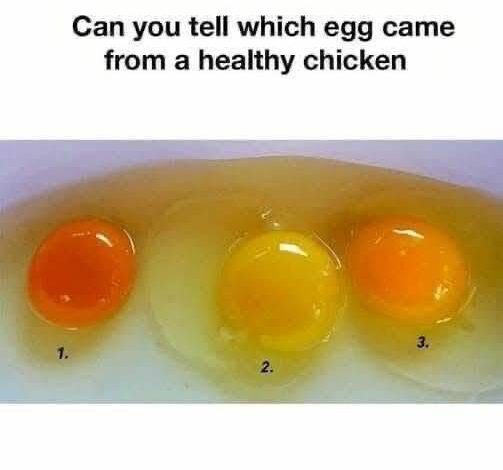
When you crack an egg into a pan or bowl, you’re doing more than starting a recipe. You’re getting a quiet snapshot of how that egg was produced and, by extension, how the chicken that laid it lived. A hen’s diet, stress level, and overall health show up clearly in the egg itself. Once you know what to look for, it becomes surprisingly easy to tell whether an egg came from a healthy, well-cared-for chicken or from a bird raised under poor conditions.
Understanding these signs helps you make better choices for your family, improves the quality of your cooking, and ensures you’re getting eggs that are safer, more nutritious, and better tasting. Here are six reliable indicators that reveal whether an egg comes from a healthy chicken.
The shell tells the first part of the story. A strong, well-formed shell is one of the clearest signs of a healthy hen. Pick up the egg and feel it. It should feel solid and sturdy, not fragile or chalky. You shouldn’t be able to dent it easily with light pressure from your fingers. Weak shells often point to nutritional deficiencies, especially a lack of calcium or vitamin D in the hen’s diet.
Color consistency also matters. While shell color varies by breed and has nothing to do with nutrition, a healthy egg will have an even tone without blotches, excessive fading, or rough patches. Cracks, thin spots, or misshapen shells can indicate stress, overcrowding, or poor feed. Eggs from small farms or pasture-raised hens often have noticeably thicker shells because the birds are better nourished and less stressed.
Once the egg is cracked open, the egg white—also known as the albumen—reveals a lot. In a high-quality egg, the white appears clear and thick, clustering tightly around the yolk rather than spreading out across the bowl. This gelatinous texture is a sign of freshness and good hen health. A watery, runny egg white that immediately spreads thin usually means the egg is older or that the hen’s diet was lacking protein and essential minerals.
The albumen acts as a protective cushion for the yolk, and stronger whites indicate that the hen was well-fed and healthy at the time the egg was laid. High-quality feed, access to sunlight, and low stress all contribute to this thicker consistency.
The yolk is where the egg’s visual impact really shines. A healthy egg typically has a yolk that is rich in color and stands tall rather than flattening out. Deep golden yellow or orange yolks usually come from hens that had access to a varied diet, including grass, seeds, insects, and greens. These foods are rich in carotenoids, which are responsible for the yolk’s vibrant hue.
Pale yellow yolks often come from chickens fed a grain-heavy, monotonous diet. While pale yolks aren’t automatically unhealthy, they tend to be lower in certain nutrients. A strong yolk membrane is another positive sign. When gently poked, the yolk should resist breaking easily. Fragile yolks that burst instantly may indicate poor hen nutrition or age.
Spotting inside the egg is another subtle clue. Small blood or meat spots can occur naturally and are not harmful, but frequent or excessive spotting may point to stress within the flock or poor living conditions. Healthy hens raised in calm, clean environments typically produce eggs with a uniform appearance, both inside and out. Consistency matters more than perfection; an occasional spot isn’t a concern, but patterns can be revealing.
Smell is a non-negotiable indicator. A fresh egg from a healthy chicken should have little to no odor when cracked open. Even raw, it should smell neutral. Any sulfur-like, rotten, or sharp smell is a red flag and means the egg is no longer safe to eat. After boiling, a fresh egg should still smell clean. Poor odors are often tied to age, contamination, or improper storage, but healthy hens laying fresh eggs reduce the risk significantly.
A simple water test can help confirm freshness and quality. Place the egg gently into a bowl of cold water. A fresh, high-quality egg will sink and lie flat on the bottom. As eggs age, air pockets inside grow larger. An egg that stands upright or floats is older and less desirable. Eggs from healthy chickens tend to have smaller air cells initially because their shells are better formed and retain moisture longer.
Beyond the egg itself, understanding why healthy chickens produce better eggs adds important context. Chickens that are allowed to roam outdoors, scratch in the dirt, and forage naturally experience less stress and eat a more diverse diet. This leads to eggs with higher levels of omega-3 fatty acids, more vitamins such as A, D, and E, and a richer flavor overall.
Clean living conditions also play a major role. Hens raised in sanitary, uncrowded environments are less likely to pass bacteria onto the shell, reducing the risk of contamination. Stress reduction is critical too. Chronic stress in chickens can disrupt egg formation, weaken shells, and affect internal quality.
When shopping, labels can help, but they’re not foolproof. Terms like “pasture-raised,” “free-range,” and “organic” often indicate better practices, but local farmers and small producers can sometimes offer even more transparency. Talking directly with producers allows you to learn how the chickens are fed, housed, and cared for.
Ultimately, high-quality eggs aren’t just about nutrition; they’re about respect for the animals producing them. Strong shells, thick whites, vibrant yolks, clean interiors, fresh smell, and good performance in the water test all point to hens that are healthy and well-treated.
Choosing eggs with these qualities means better cooking results, more nutritional value, and peace of mind. Paying attention to these small details helps you make informed decisions and supports farming practices that prioritize animal welfare and food quality.