Is a Banana a Good Breakfast Choice? Here is What Experts! See Now
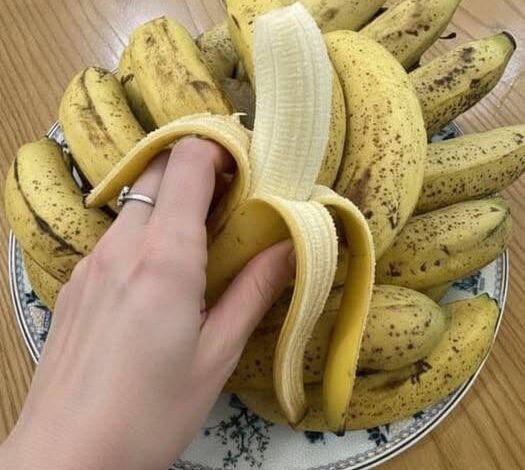
The banana has earned its reputation as the most convenient breakfast food on the planet. It comes in its own packaging, requires no preparation, and delivers instant sweetness and energy. For people rushing out the door, juggling work, school runs, or early workouts, grabbing a banana feels like a responsible choice. It’s natural, affordable, and loaded with nutrients. But as nutrition science becomes more precise, experts are taking a closer look at what actually happens when a banana is eaten alone on an empty stomach .
At first glance, bananas seem close to perfect. A medium banana contains potassium, magnesium, vitamin B6, and fiber, all of which support heart health, muscle function, and nerve signaling. Potassium helps regulate blood pressure, magnesium aids muscle relaxation, and vitamin B6 plays a role in brain chemistry and energy metabolism. These are not minor benefits. The problem is not what bananas contain, but what they lack when eaten by themselves.
After eight to ten hours of overnight fasting, the body is primed to absorb whatever arrives first. Bananas are rich in natural sugars—glucose, fructose, and sucrose—along with easily digestible starches. When eaten alone first thing in the morning, these carbohydrates are absorbed quickly, sending glucose rushing into the bloodstream. This produces a fast burst of energy that can feel great initially, especially if you’re tired or heading straight into physical activity.

That quick energy, however, comes with a trade-off. Because bananas contain very little protein and almost no fat, there is nothing to slow digestion or stabilize blood sugar. The body responds to the glucose spike by releasing insulin, which clears sugar from the blood just as quickly as it arrived. For many people, this results in a noticeable energy drop an hour or two later. Hunger returns early, concentration dips, and cravings for coffee or sugary snacks intensify.
This is why some people swear by bananas for breakfast while others feel worse after eating one alone. The difference often lies in lifestyle and metabolism. An endurance athlete heading out for a long run may benefit from that rapid carbohydrate delivery. A desk worker sitting through back-to-back meetings is far more likely to experience the crash.
The solution most nutritionists agree on is not to eliminate bananas, but to stop treating them as a complete meal. A banana works best as part of a balanced breakfast rather than the foundation of it. Pairing the fruit with protein or healthy fats dramatically changes how the body processes its sugars.
When you eat a banana with Greek yogurt, eggs, cottage cheese, or nut butter, digestion slows. Protein delays glucose absorption and helps maintain muscle and brain function. Healthy fats provide sustained energy and increase satiety. Instead of a sharp rise and fall, blood sugar levels rise gradually and remain stable for hours.

Oats are another powerful companion. The soluble fiber in oatmeal forms a gel-like substance in the digestive tract that slows carbohydrate absorption. Adding sliced banana to oats turns a fast-burning fuel into a slow, steady energy source that can carry you comfortably through the morning. Even simple combinations, such as a hard-boiled egg eaten alongside a banana, are enough to create a more balanced metabolic response.
Banana ripeness also plays a role. Slightly green bananas contain more resistant starch, which behaves more like fiber than sugar. This leads to a lower glycemic response and more gradual energy release. As bananas ripen and develop brown spots, that starch converts into simple sugars. Riper bananas are easier to digest and higher in antioxidants, but they also raise blood sugar more quickly when eaten alone.
Choosing a banana that is yellow with a hint of green at the stem can provide a better balance for morning consumption, especially if you’re sensitive to blood sugar fluctuations. For those who prefer very ripe bananas, pairing becomes even more important.
Ultimately, whether a banana is a “good” breakfast depends on context. For someone exercising immediately, it can be an efficient and effective fuel. For someone sitting for long periods or prone to mid-morning fatigue, it may be insufficient on its own. Nutrition is rarely universal, and bio-individual responses matter more than rigid rules.

Experts increasingly emphasize listening to your body. If a solo banana leaves you energized and satisfied, it may suit your metabolism. If it leaves you hungry, irritable, or foggy within an hour, that’s valuable feedback. Your body is asking for a more complex nutritional conversation.
By adding nuts, seeds, yogurt, eggs, or whole grains, the banana transforms from a quick sugar hit into a stable, long-lasting energy source. It remains one of the most accessible and nutrient-dense fruits available. The key is not avoiding it, but using it intelligently.
Breakfast sets the tone for metabolic health throughout the day. With thoughtful pairing and attention to timing, the banana can still earn its place as a breakfast staple—just not as a solo act.