Israel Condemns New NYC Mayor Zohran Mamdani as Antisemitic!
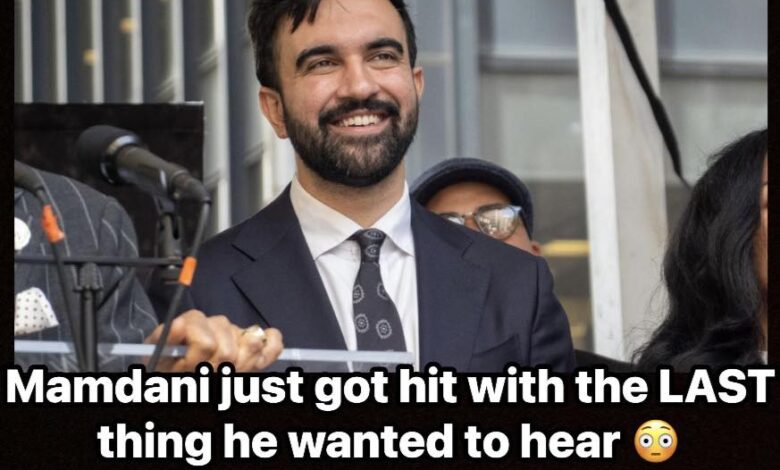
Zohran Mamdani had barely settled into the mayor’s office when his first major decision detonated far beyond New York City. Within hours of taking office, Mamdani moved to undo a series of executive actions put in place by his predecessor, Eric Adams. On paper, the changes were administrative. In reality, they struck at one of the most sensitive political fault lines in global politics: how antisemitism is defined, policed, and distinguished from criticism of Israel.
By rescinding New York City’s formal adoption of the International Holocaust Remembrance Alliance definition of antisemitism and ending the city’s quiet boycott of the Boycott, Divestment and Sanctions movement, Mamdani ignited immediate backlash. The response from Israel Foreign Ministry was swift and blunt, labeling the move “antisemitic” and warning that it would embolden hostility toward Israel and Jewish communities worldwide.
The reaction wasn’t confined to diplomatic statements. Mainstream Jewish organizations in the United States echoed similar concerns, arguing that abandoning the IHRA definition removed a crucial safeguard at a time when antisemitic incidents were already rising sharply. To them, Mamdani’s actions looked less like routine governance and more like a symbolic green light for the most aggressive critics of Israel, delivered at a moment of heightened global tension.
From Mamdani’s perspective, the accusation cuts in the opposite direction. He argues that genuine safety for Jewish New Yorkers cannot depend on a framework that many civil liberties advocates—and a growing number of left-leaning Jewish organizations—believe conflates antisemitism with political speech. Critics of the IHRA definition have long contended that its examples, particularly those related to Israel, risk chilling legitimate debate and activism, especially around Palestinian rights.
Mamdani’s administration is staking its credibility on a different approach. Rather than anchoring antisemitism policy to an internationally contested definition, he is prioritizing direct investment in hate-crime prevention, community-based security programs, and universal protections that apply across religious and ethnic lines. His team has emphasized increased funding for education, rapid-response units for bias crimes, and expanded resources for vulnerable communities—including Jewish neighborhoods.
This shift represents more than a policy disagreement; it reflects a deeper ideological divide within progressive politics. For decades, New York City has tried to balance its identity as one of the world’s largest Jewish population centers with its role as a hub of left-wing activism and international advocacy. Under Adams, that balance tilted toward alignment with Israel and mainstream Jewish institutions. Under Mamdani, the city is clearly repositioning itself.
The international response highlights how little room exists for neutrality on this issue. Israel’s government views the IHRA definition as a critical tool in combating modern antisemitism, particularly where hostility to Israel overlaps with attacks on Jewish identity. From Jerusalem’s vantage point, New York City’s reversal is not a local matter but a symbolic rupture, especially given the city’s global cultural influence.
Inside New York, the reaction has been fractured. Some Jewish leaders have warned that Mamdani’s decision risks alienating communities already feeling unsafe. Others, including progressive Jewish groups, have publicly supported the move, arguing that weaponizing antisemitism definitions to silence criticism of Israeli policy ultimately undermines the fight against real antisemitism.
Mamdani has attempted to walk a narrow line, repeatedly stating that antisemitism is real, dangerous, and unacceptable, while insisting that opposition to Israeli government actions—no matter how forceful—should not automatically be labeled as hatred of Jews. His administration has framed the policy reversal as part of a broader ethics reform agenda, aimed at separating municipal governance from foreign policy litmus tests.
That framing, however, has done little to quiet critics abroad. Israeli officials have pointed to the timing of the decision, arguing that symbolism matters, especially during periods of global instability and rising hate crimes. In their view, rescinding the IHRA definition sends the wrong message, regardless of the mayor’s stated intentions.
For Mamdani, the political stakes are enormous. He must now demonstrate, under relentless scrutiny, that Jewish New Yorkers can feel safer—not less protected—under his model. That means results, not rhetoric. Hate-crime statistics, community trust, and the city’s response to incidents will be measured closely by supporters and opponents alike.
The controversy also exposes a generational shift in Democratic politics. Younger progressives are increasingly skeptical of traditional U.S.-Israel alignment and more willing to challenge long-standing frameworks around antisemitism. Older party leaders and institutional allies, by contrast, see those frameworks as hard-won defenses forged in the aftermath of historical trauma.
New York City, as ever, has become the testing ground. What happens under Mamdani’s leadership may influence how other cities and institutions navigate the same debate. If antisemitic incidents decline and community relations improve, his approach could gain traction. If they rise, the backlash will be swift and unforgiving.
For now, the city stands at the center of a global argument about identity, safety, and political speech. Mamdani has made his choice clear: reject what he sees as an overbroad definition and replace it with targeted protections rooted in universal civil rights. Whether that gamble strengthens New York’s social fabric or deepens existing fractures remains an open question—but the world is watching closely.
What is certain is that this was never going to be a quiet start to a mayoralty. By challenging one of the most entrenched consensus positions in modern politics, Zohran Mamdani ensured that his leadership would be judged not just locally, but internationally, and not just by policy outcomes, but by the deeper question of how societies define hate without suppressing dissent.