Shopper Raises Concern Over Target Holiday Sweater, Here Is How the Company Responded
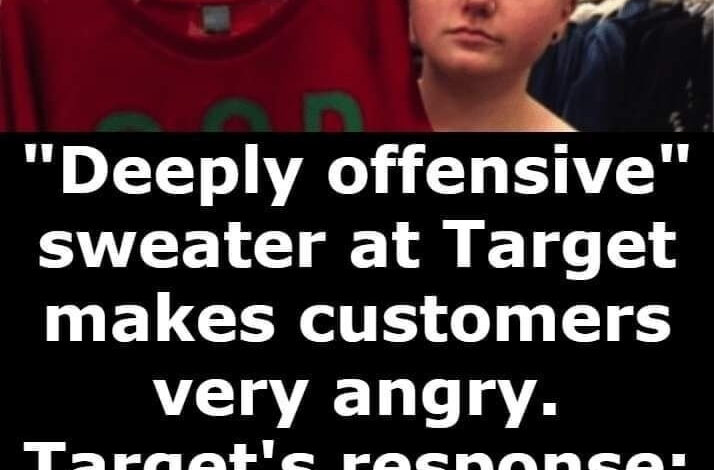
A holiday sweater wasn’t supposed to start a national debate, but that’s exactly what happened after a Target shopper stopped mid-aisle, took a closer look at the design in front of her, and felt her stomach drop. What she expected to be a harmless seasonal joke struck her instead as something casually dismissive of a real mental health struggle. And in today’s world — where shoppers pay attention, where their voices carry, and where companies can’t afford to brush off concerns — one sweater quickly turned into a conversation about sensitivity, intention, and the shifting expectations placed on major retailers.
It began when Reign Murphy, a shopper browsing Target’s holiday section, spotted a sweatshirt with bold lettering that read: “OCD Christmas obsessive-compulsive disorder.” At first glance, it was clearly meant to be a playful twist on the idea of someone being “obsessed” with Christmas. But for Murphy, the message didn’t land. Instead, it hit a nerve.
OCD isn’t a quirk, a fascination, or a seasonal punchline. It’s a serious, often debilitating mental health condition that affects millions of people every day. Intrusive thoughts, compulsions, hours lost to rituals, relationships strained, work disrupted — none of it has anything to do with holiday enthusiasm. Murphy felt that packaging a life-altering disorder as a cute Christmas joke risked trivializing the reality many people quietly struggle through.
She voiced her concern publicly, not with outrage but with disappointment. She argued that companies as large and influential as Target have a responsibility to be mindful of the messages they sell, even unintentionally. She wasn’t calling for boycotts or demanding punishments. She simply wanted awareness — from designers, marketers, and decision-makers who greenlight products without always pausing to think how those words might land for someone living with the actual condition being referenced.
Her post quickly made the rounds online.
But what surprised many was the variety of responses it triggered. The internet didn’t erupt into a single wave of condemnation or support. Instead, it split — thoughtfully, and in ways that showed how complicated these conversations have become.
A significant number of people diagnosed with OCD chimed in to say they personally were not offended. Some even found the sweater lighthearted or harmless. They explained that humor has long been a coping mechanism for them, a way to take back control from the disorder that tries to control them. They didn’t feel mocked — they simply saw a joke playing with exaggerated holiday enthusiasm. Others said they wished more energy went into fighting stigma around the actual condition, not policing casual wordplay.
Still, many echoed Murphy’s concern, noting that while they weren’t outraged, they understood how the design could mislead people or feed into the constant misunderstanding that OCD is just about being tidy, organized, or “obsessed with” something.
Seeing the conversation grow, Target stepped in. Spokesperson Jessica Carlson issued a statement acknowledging that some shoppers felt uncomfortable and apologizing to anyone who was hurt by the design. But she also clarified that the sweater would remain on shelves. The company didn’t see harm in the intent behind the product and believed it could stay while still respecting the concerns raised.
It was a measured response, one that tried to recognize every side without making a drastic decision based on a single viewpoint. And in a way, that matched the tone of the situation: there was no frenzy, no moral panic, no widespread outrage demanding a recall. There was just a conversation — one rooted in the reality that humor is subjective, personal experiences shape perception, and what feels light to one person might feel painful to another.
The debate echoed similar ones the public has had in recent years over apparel featuring phrases like “bride,” “trophy,” “wifey,” or slogans tied to stereotypes about gender roles, marriage, or identity. Some people embrace those labels with pride or humor. Others find them outdated, reductive, or insensitive. And increasingly, every design that hits a store shelf becomes part of a broader conversation about representation, identity, and the evolving social landscape.
What this particular sweater highlighted is how much audiences have changed. Consumers today don’t just buy — they question. They analyze. They consider implications. They talk openly about how clothes make them feel and what messages companies should or shouldn’t amplify. Social media has turned individual opinions into collective dialogues, and those dialogues often ripple far beyond the moment that sparked them.
But this story wasn’t about outrage; it was about awareness.
It reminded people that words matter, even if they’re printed on a sweatshirt designed for a laugh. It showed that mental health is a topic many are protective of — not because they want to police everything, but because they’ve lived through stigma, misunderstanding, and pain that can’t always be brushed aside.
It also revealed how varied human reaction truly is. The very people diagnosed with OCD were split on whether the product offended them or not. That duality matters. It keeps conversations grounded and honest. It prevents them from turning into simple “right or wrong” battles when the truth is much more nuanced.
As for Target, the company walked a middle path. It issued an apology without removing the item. It acknowledged the concerns without dismissing the intent behind the product. In a time when large corporations are often criticized for either overreacting or staying silent, Target took a balanced approach that mirrored the mixed public reaction itself.
For Murphy, her point was made: companies should pay attention. Designers should be intentional. Humor should be thoughtful. And the people who struggle with real disorders deserve the same consideration given to any other community navigating misunderstanding or oversimplification.
In the days that followed, shoppers kept talking — not angrily, but reflectively. They debated intent versus impact. They shared personal stories about mental health. They discussed where the line is between playful and insensitive. And in that sense, the sweater did something most novelty apparel never does:
It started a necessary conversation.
Not a divisive one. Not a chaotic one. But a human one.
A conversation that made people pause, think, and consider how simple phrases can carry weight. How not everyone reads things the same way. How personal experience shapes perception more than any design ever could.
And as long as people keep talking — openly, respectfully, thoughtfully — companies will keep listening.