Keeping Ashes at Home! What You Should Know Before Deciding
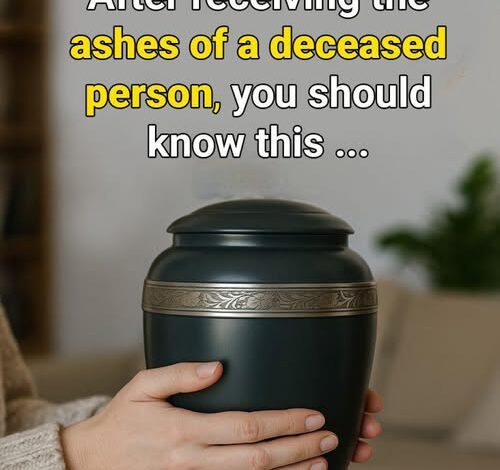
Losing someone you love leaves a silence that no words can ever fill. It’s an emptiness that lingers in every corner of the home, in the stillness of night, in the everyday moments that once felt ordinary. For many, choosing to keep a loved one’s ashes close — resting in an urn, framed by candles and photographs — offers a small but profound comfort. It’s a way to hold on to presence in the face of absence, to stay connected when goodbye still feels impossible.
Cremation has become increasingly common in recent years, and with that change comes a deeply personal question: should the ashes of a loved one be kept at home? There’s no single right answer. The choice is as individual as grief itself. It depends on the heart, the beliefs, and the meaning that the act holds for the one left behind.
For many families, the urn becomes a quiet anchor — a place where memory feels tangible. A photo on the mantel, a favorite flower beside it, maybe a candle that’s lit at nightfall. These small rituals create space for remembrance, transforming sorrow into something softer, more bearable. The sight of the ashes might offer reassurance that love doesn’t simply vanish; it changes form, living on in the stories, in the energy, in the connection that continues beyond death.
This sense of closeness can be especially healing for those who have lost a partner after decades together. The shared house feels too quiet, too big, and too empty. Having their ashes near — in the bedroom, or a special corner of the living room — can ease that ache. It becomes a form of silent companionship, a reminder that love remains even when the person is gone.
Still, not everyone finds peace in this closeness. For some, the presence of ashes can make grief heavier, keeping wounds from healing. There’s no shame in realizing that what comforts one person may burden another. That’s why many grief counselors emphasize the importance of listening to your own heart. If keeping the ashes brings warmth and serenity, it’s a valid and beautiful choice. But if they stir sadness or guilt, it might be time to consider a different kind of memorial — one that allows both love and release to coexist.
Faith and spiritual beliefs also play a powerful role in this decision. Across different traditions, views on cremation and the handling of ashes vary widely.
Some spiritual paths — such as certain interpretations within Spiritism and Eastern philosophies — encourage returning ashes to nature. The act of scattering them in the sea, beneath a favorite tree, or atop a mountain symbolizes release: the cycle of returning to the earth and allowing both the living and the departed to move forward. These traditions see letting go as an act of love rather than separation.
In Christian faiths, cremation was once controversial but has now become broadly accepted. The Catholic Church, for instance, teaches that cremation is permissible so long as it is done with reverence. The Church recommends that ashes be kept in a sacred place — such as a cemetery or columbarium — rather than displayed casually or divided as keepsakes. The reasoning is rooted in respect for the body, which is viewed as a vessel of life and dignity.
Many Protestant communities take a gentler, more flexible view, emphasizing remembrance, prayer, and the enduring connection between body and soul. What matters most, they say, is not the physical location of the ashes but the love and reverence shown toward the person they represent.
Outside of religion, grief specialists often return the focus to something simpler: healing. Everyone’s grief has its own rhythm. Some people need to hold on longer before they can let go. Others find release through symbolic gestures — planting a tree, dedicating a bench, creating a memory box, or donating to a cause their loved one cherished. These acts can transform pain into purpose, keeping the memory alive in ways that continue to give.
Then there are the practical sides to consider — the ones few people talk about until they’re faced with them. If you decide to keep ashes at home, it’s worth investing in a high-quality, durable urn designed to preserve them safely over time. You’ll also need to understand local laws if you ever plan to scatter or divide the ashes later; regulations can vary by region. Some families choose to share small portions among close relatives, each keeping a symbolic amount in a pendant, locket, or miniature urn. Others prefer to create a collective space — a garden or memorial corner where everyone can gather and remember together.
It’s also wise to have open conversations with family members about long-term wishes. One of the most common challenges arises years later, when generations shift and loved ones aren’t sure what to do with the remains. Clear discussions — and even simple written notes — can help avoid confusion or conflict down the road.
There’s no rulebook for how to navigate loss. Society often pressures people to move on quickly, to package grief neatly and store it away. But mourning isn’t linear, and neither is healing. Some days, having the ashes close may bring comfort. On others, they may remind you of what’s gone. Both feelings are valid.
Ultimately, the question of where ashes belong isn’t about superstition or social approval — it’s about love, and what helps it endure. Whether they rest in a living room, a garden, or beneath a favorite oak, what truly matters is the intention. If the choice is made with tenderness and respect, then it’s the right one.
What’s most meaningful isn’t the urn itself, but the act of remembrance. Lighting a candle, whispering a memory, speaking to the one who’s gone — these small gestures keep the bond alive in ways that transcend space and time. The physical ashes are simply a vessel; the real connection lives in the heart.
Over time, some people find that letting go of the ashes feels like a natural next step. They scatter them in the ocean, under a setting sun, or along a place that once brought joy to the person they lost. The act can be bittersweet but freeing — a symbol of trust that love doesn’t need a physical form to endure.
Others never let them go, and that’s just as valid. The urn stays on a shelf, perhaps surrounded by photos and small mementos, blending into daily life — a quiet, constant reminder of devotion.
In the end, the right answer is the one that brings peace. There’s no shame in holding on, and no failure in releasing. Both can be acts of love.
Whether the ashes remain at home, return to the earth, or rest in a sacred place, what truly defines the gesture is the heart behind it — the tenderness, the remembrance, and the deep respect for a life that once filled yours. Love, after all, doesn’t end when someone dies. It simply changes form, waiting quietly in every memory, every breath, and every act of grace that keeps their spirit alive.