Shelley Fabares star of The Donna Reed Show and Coach dies at 82
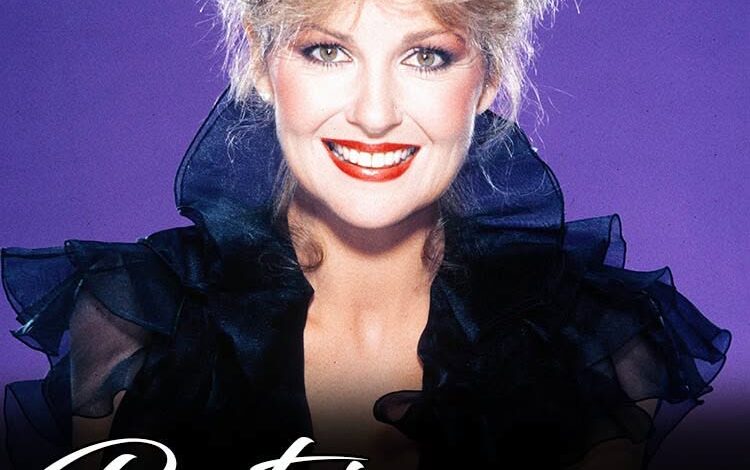
Shelley Fabares, the actress and singer whose work connected several generations of television viewers, died in Los Angeles at 82. Her family said she passed away on Saturday surrounded by people who loved her. A cause of death was not announced.
The family’s statement remembered far more than a performer. To relatives and friends, Fabares was a source of love, strength, laughter, and comfort. They described her as a devoted wife, cherished stepmother, daughter, sister, niece, aunt, loyal friend, and family member whose warmth and generosity made people feel welcomed and valued.
Fabares was born January 19, 1944, in Santa Monica, California. She began acting as a child and made her television debut at 10 on The Loretta Young Show. Those early appearances led to the role that first made her a household name: Mary Stone on The Donna Reed Show.
As Mary, Fabares became part of a television family familiar to viewers across the United States. The role arrived while she was still young, but her career quickly expanded beyond a single series. She also found success in music, recording “Johnny Angel,” which reached number one in 1962.
Her film work included three movies alongside Elvis Presley: Girl Happy, Spinout, and Clambake. Those performances placed her within another major chapter of popular culture and helped establish a career that moved easily among television, film, and music.
Years later, Fabares achieved another significant television success on Coach. She played Christine Armstrong opposite Craig T. Nelson, earning two Emmy nominations and introducing herself to viewers who may not have known her earlier work. The role demonstrated that her appeal was not limited to the era of The Donna Reed Show.
Her credits also included One Day at a Time and many other television programs and films. The span of those appearances made her a recognizable presence from childhood roles through adult comedy and drama. Few performers manage to become closely associated with successful series in different decades, but Fabares did.
She was married for decades to actor Mike Farrell, known for M*A*S*H. Fabares did not have biological children, but she was stepmother to Farrell’s two children from his earlier marriage to actress Judy Farrell. Her family emphasized the devotion she brought to those relationships and the everyday kindness behind her public career.
Their tribute also highlighted her loyalty, wit, courage, grace, and beautiful spirit. Those qualities shaped how people close to her understood the woman behind Mary Stone, Christine Armstrong, and the voice of “Johnny Angel.” While audiences remember specific performances, her relatives will miss the person who made them feel cared for.
Shelley Fabares leaves a body of work that stretches from the early years of television into later network comedy, along with a number-one song and memorable films. Her family’s words make clear that the deepest loss is not only of a celebrated star. It is the loss of a wife, stepmother, relative, and friend whose warmth remained constant away from the screen.
Her career is unusual not simply because it lasted, but because its defining moments were so different from one another. Mary Stone belonged to the world of classic family television, “Johnny Angel” made her a chart-topping singer, her Elvis films placed her in 1960s pop cinema, and Coach allowed her to shape a mature comic character decades later.
That range meant audiences could discover her at different stages and still feel that they knew her. Some first watched her as a teenager, while others met her through Christine Armstrong. The two Emmy nominations for Coach recognized the skill behind that later success and confirmed that her early fame had not been the limit of her talent.
As Hollywood and her loved ones mourn, the family’s statement provides the clearest final portrait. It joins the familiar roles and songs with the private qualities they valued most: kindness, humor, loyalty, courage, and the ability to make another person feel important. Those are the memories that remain when the cameras are gone.