Photographer of tragic little girl trapped in volcanic mudflow explains why he didnt help her
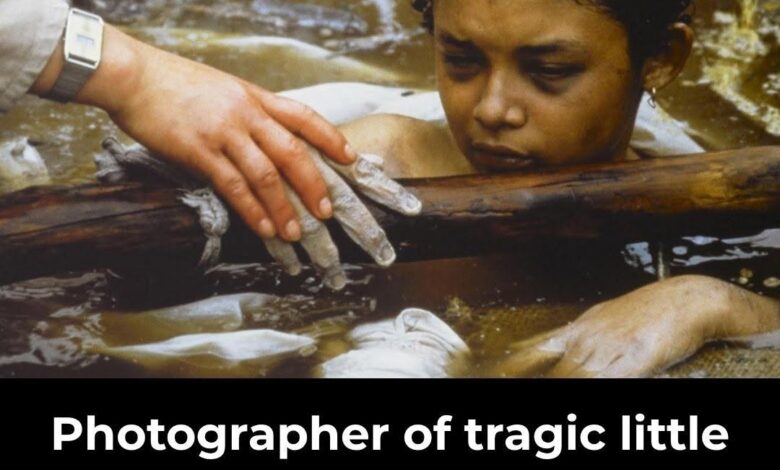
On November 13, 1985, Colombia’s Nevado del Ruiz volcano erupted and generated devastating lahars, fast-moving flows of water, mud, ash, and debris. Heat associated with the eruption melted ice and snow high on the mountain. The flows followed river valleys toward communities below, overwhelming the town of Armero.
About twenty thousand people died in Armero, and the wider disaster killed roughly twenty-five thousand. The enormous loss was made worse by failures in preparedness and evacuation even though volcanic hazards had been identified before the eruption.
Among the victims was thirteen-year-old Omayra Sánchez Garzón. She became trapped in the ruins of her home, with her legs pinned beneath debris. Rescuers could speak to her and provide some comfort, but freeing her safely required equipment and resources that were not available at the scene.
Frank Fournier arrived as a journalist, not a rescuer
French photographer Frank Fournier reached Armero during the emergency and photographed Omayra. His close portrait showed her standing in dark water, eyes bloodshot after a prolonged ordeal. The image later became one of the best-known photographs of the disaster.
Some viewers asked why Fournier took a picture instead of pulling her free. The physical reality answers much of that criticism. Omayra was not waiting for a strong person to lift her from shallow mud. Her lower body was trapped beneath collapsed material, and attempts to move her risked causing catastrophic injury. Reports described the need for a pump and specialized rescue capability that responders could not secure in time.
Fournier was one person amid rescue workers, journalists, and local residents. He could not solve the mechanical and medical problem by putting down his camera. He has explained that he felt powerless and believed documenting Omayra could connect the outside world with what was happening.
The image raised difficult ethical questions
Photographing a dying child can feel intrusive, especially when the audience sees a face without the surrounding failures. Photojournalism at a disaster must balance dignity, consent, public interest, and the risk of turning suffering into spectacle.
In this case, the portrait made distant audiences confront the human cost of the eruption and inadequate response. It did not merely show anonymous destruction. Omayra’s gaze made one child’s experience impossible to reduce to a death toll.
That public value does not erase discomfort. The photograph remains powerful partly because viewers know she could not be saved. Ethical engagement means remembering her as a person with a family and a life, not simply as an award-winning image.
Nearly three days in the mud
Omayra remained trapped for about sixty hours. People nearby spoke with her, offered drinks and small amounts of food, and tried to keep her comfortable. She displayed extraordinary composure, even asking others to rest. As her condition deteriorated, she hallucinated and spoke about needing to attend school.
She died on November 16, likely from complications including hypothermia or gangrene. Her mother and brother survived. The intimate details of Omayra’s final hours spread worldwide and intensified anger over why a community facing a known volcanic threat had not been evacuated effectively.
The responsibility extends beyond one photographer
Focusing only on why Fournier did not lift Omayra can distract from the larger institutional questions. Hazard maps and warnings existed, yet communication, planning, equipment, and timely action failed. Thousands of people were exposed to a predictable route of volcanic mudflows.
A camera cannot replace rescue tools, but documentation can preserve evidence of what inadequate preparation costs. Fournier’s photograph became a bridge between one trapped child and an international audience. Its endurance keeps attention on Omayra and on decisions made before the mud reached Armero.
The most respectful reading of the image avoids both easy blame and romanticizing suffering. Fournier was unable to free her, rescuers lacked what they needed, and Omayra endured conditions no child should face. Her photograph matters not because tragedy is beautiful, but because it demands memory and accountability. The question it leaves is wider than why one man did not help: why warnings, systems, and resources failed an entire town before help was needed at all.