If You Get Leg Cramps at Night You Need to Know This Immediately
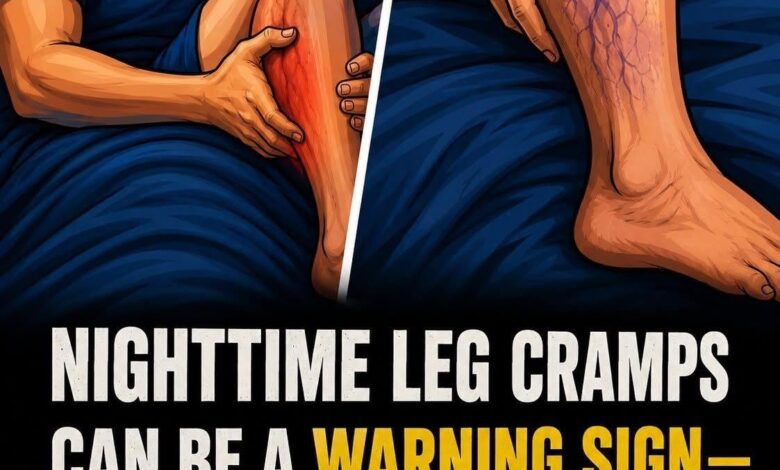
Nighttime leg cramps are sudden, painful contractions that most often affect the calf, foot, or thigh. They can wake a person from sleep, last from seconds to several minutes, and leave the muscle sore afterward. An occasional cramp is common and usually not dangerous, but repeated or severe episodes deserve attention.
The exact cause is not always clear. Muscle fatigue can contribute after prolonged standing, intense exercise, or a rapid change in activity. Holding the legs in one position for a long time may also make spasms more likely. Dehydration is often blamed, although cramps can occur even when someone drinks enough fluid.
Minerals such as sodium, potassium, calcium, and magnesium help muscles and nerves function. Significant imbalances may cause cramping, but automatically taking a supplement is not the safest answer. Excessive doses can be harmful or interact with medical conditions and medications, so persistent symptoms should be evaluated before starting treatment.
Medication and health conditions may matter
Some people notice cramps after beginning a new medicine. Diuretics and certain other prescriptions have been associated with muscle symptoms in some patients. A person should not stop a prescribed drug independently. A clinician or pharmacist can review timing, dosage, interactions, and possible alternatives.
Frequent cramps can also occur alongside diabetes, thyroid disorders, kidney disease, nerve compression, circulation problems, or other conditions. Older adults experience them more often as muscle mass and tendon flexibility change with age. Pregnancy can also increase the likelihood of leg cramps.
These possibilities do not mean every nighttime spasm signals serious disease. They explain why a pattern matters. Useful details include which muscle contracts, how long the pain lasts, how often it happens, whether both legs are affected, and whether symptoms began after a medication or activity change.
What to do during a cramp
Gently stretching the affected muscle often helps. For a calf cramp, straightening the knee and drawing the toes toward the shin may release the contraction. Standing carefully with the foot flat, walking slowly, or massaging the area can also provide relief. Warmth from a shower or heating pad may relax a tight muscle, while some people prefer ice for lingering soreness.
Forceful stretching should be avoided, especially if an injury may be present. Anyone unsteady on their feet should sit first or ask for help rather than rushing around a dark room.
For prevention, regular calf and hamstring stretching may reduce episodes for some people. Gradual exercise increases, appropriate footwear, and adequate recovery can limit muscle overload. Drinking fluid throughout the day and eating a balanced diet support general muscle function without treating one food or nutrient as a guaranteed cure.
Know the signs that need medical care
A clinician should evaluate cramps that occur frequently, disrupt sleep repeatedly, cause substantial weakness, or continue despite basic changes. An appointment is also appropriate when symptoms appear soon after starting medication or occur with numbness and other neurologic changes.
Prompt medical attention is important if one leg becomes swollen, red, warm, or unusually tender, especially with no clear injury. Those features can occur with a blood clot. Chest pain, shortness of breath, coughing blood, faintness, or a rapid heartbeat alongside leg symptoms requires emergency care.
Severe pain after exercise with marked swelling, weakness, or dark urine also needs urgent assessment. These signs differ from a brief muscle knot that releases with stretching.
Night cramps are often manageable, but recurring pain should not simply be ignored or treated through guesswork. A careful review of activity, hydration, medicines, and health conditions can identify practical changes and rule out more serious causes. The goal is not to create alarm over a common symptom. It is to recognize when the pattern has moved beyond an occasional inconvenience.