Iconic Star Trek and Batman actress dies at 90
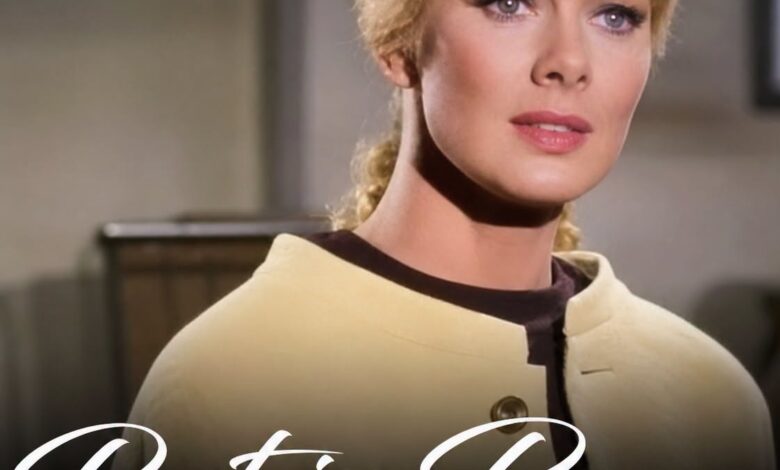
Leslie Parrish, an actress remembered for appearances in The Manchurian Candidate, Star Trek, and the television series Batman, died at the age of ninety. Her screen career made her recognizable, but the life she built away from Hollywood included political organizing, environmental protection, music, and writing.
She was born Marjorie Hellen in Pennsylvania in 1935 and spent part of her childhood in an isolated rural setting with limited access to radio and television. Music became an early ambition, and she studied piano. A job as a waitress eventually led to modeling work and then a studio contract with 20th Century Fox.
The studio changed her professional name to Leslie Parrish. Like many performers under the old system, she entered an industry that placed heavy emphasis on appearance. Parrish, however, developed a varied list of film and television roles rather than remaining only a promotional face.
From major films to memorable television
One of her best-known film performances came in the 1962 political thriller The Manchurian Candidate, where she played Jocelyn Jordan. The film’s later reputation ensured that new audiences continued discovering her work long after its original release.
Parrish also appeared with Fred Astaire in Three on a Couch and accumulated credits across the busy television landscape of the 1960s. Science-fiction viewers remember her as Lt. Carolyn Palamas in the Star Trek episode Who Mourns for Adonais? The character became caught between the crew and an alien being presenting himself as the Greek god Apollo.
In Batman, Parrish appeared as Dawn Robbins in a two-part story involving the Penguin. She also worked in programs including Perry Mason, The Wild Wild West, and other series that made guest actors familiar faces in American homes.
Activism became central to her life
Parrish’s interests extended beyond performance. The Vietnam War moved her toward political activity, and she participated in organizing and public opposition to the conflict. She also became involved in civic campaigns, including work connected with Tom Bradley’s successful effort to become mayor of Los Angeles.
That commitment carried a professional cost because entertainers who took strong public positions could face resistance from studios and audiences. Parrish increasingly stepped away from acting as political and personal priorities changed.
She later shared her life with writer and pilot Richard Bach, known for Jonathan Livingston Seagull. Their relationship was connected with creative work and a move toward a quieter environment in the Pacific Northwest.
A protected landscape became a proud achievement
On Orcas Island in Washington, Parrish helped establish a sanctuary across 168 acres of forested land. Protecting the property from development became one of the accomplishments she valued most. It represented a form of legacy very different from film credits: trees, habitat, and open land preserved beyond a single lifetime.
Her later years were lived mostly outside the publicity cycle that had defined her early career. That relative privacy sometimes caused audiences to remember the roles without knowing the person had chosen a substantially different direction.
Parrish’s death invites more than a list of recognizable titles. Her career shows how a performer could move through the restrictions of the studio era, become part of enduring popular culture, and then decide that conscience and conservation deserved more attention than applause.
Fans will continue seeing her aboard the Enterprise, in the heightened streets of Gotham, and within the tense world of The Manchurian Candidate. The fuller remembrance includes the organizer who opposed war, the activist who participated in local politics, and the land steward who helped protect a forest. Leslie Parrish left Hollywood behind, but she did not stop shaping the world around her.