What Can You Do With Eggshells Their Hidden Uses Might Surprise You
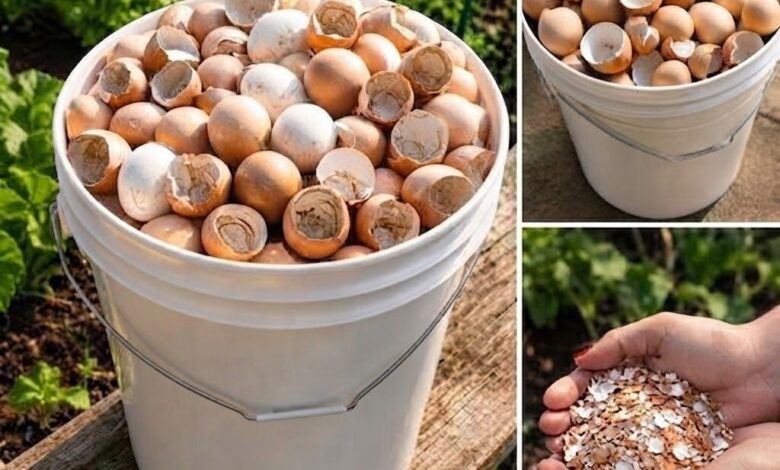
Eggshells are usually cracked, emptied, and dropped straight into the trash, but their usefulness does not have to end at breakfast. Because shells are largely made of calcium carbonate, they have a hard, mineral-rich structure that can be useful in the garden, around the home, and in craft projects. The key is to handle them hygienically, choose realistic uses, and avoid the exaggerated promises that often surround household recycling tips.
The simplest use is composting. Rinsed, dried, and crushed shells can be added to a compost pile or bin along with other suitable kitchen scraps. Breaking them into small pieces increases their surface area and helps them disappear more quickly, although shells still break down slowly. They add mineral material to finished compost, but they are not an instant fertilizer and will not correct every soil problem overnight.
Gardeners also crush eggshells and mix them directly into soil. This can contribute calcium over time, particularly as weather and soil acidity gradually break the pieces down. Before treating shells as a solution, it is wise to know what the soil actually needs. Blossom-end rot in tomatoes and peppers, for example, involves calcium reaching the developing fruit, but watering problems can be a major cause even when the soil already contains enough calcium. A soil test and steady watering are more reliable than simply scattering large shell fragments.
Shell halves can serve as tiny containers for starting seeds. Make a small drainage opening, fill the shell with seed-starting mix, and keep it supported in an egg carton. This works best for seedlings that will be transplanted while still small because the container has little room for roots. When planting, crack or remove much of the shell so roots are not trapped behind a hard barrier. The carton and shells should be kept clean, and young plants still need appropriate light, moisture, and air circulation.
Crushed shells are sometimes promoted as a guaranteed barrier against slugs and snails. The sharp texture may discourage movement in some situations, but results are inconsistent, especially after rain or when pests can cross at another point. It is better to view shells as one small garden experiment, not dependable pest control. Regular inspection, habitat management, and proven methods are more useful when pests are damaging plants.
In the home, finely crushed shells can provide a mild abrasive for cleaning stubborn residue from certain sturdy pots, pans, bottles, or vases. Combine them with warm soapy water and swirl or scrub gently. Test first because the particles can scratch delicate coatings, polished surfaces, nonstick cookware, or glass. Never force shell fragments into narrow plumbing where they may collect with grease or other debris. Dispose of the used material responsibly.
Eggshells are especially good for crafts. Clean halves can become painted ornaments, miniature planters, candle holders, or mosaic pieces. Children can use crushed colored shells to create textured pictures under adult supervision. Edges can be sharp, so pieces should be handled carefully and kept away from very young children and pets. Shells should be fully dry before storage to prevent odors and mess.
Some people grind eggshells into powder and suggest consuming it as a calcium supplement. That is not a casual do-it-yourself use. Raw eggs and their shells can carry harmful bacteria, and homemade powder can have uneven particle size or an unpredictable dose. Too much supplemental calcium can also create health problems or interact with medical conditions and medicines. Anyone considering an edible eggshell product should use professionally prepared guidance and discuss calcium needs with a qualified health professional rather than relying on an internet recipe.
Basic preparation makes nonfood uses safer. Empty the egg, rinse away visible residue without splashing it around the kitchen, and wash hands, utensils, and nearby surfaces. Let the shells dry completely. If a project requires extra-clean shells, use a method appropriate to that project and remember that a shell used for crafts or soil does not need to become food. Keep prepared shells in a clearly labeled container.
The hidden value of eggshells is not magic; it is practical reuse. They can enrich compost gradually, support small seed-starting projects, provide texture for careful cleaning, and inspire inexpensive crafts. Their limits matter just as much as their possibilities. With clean handling and sensible expectations, something that looked like waste can have a second life without turning a simple kitchen scrap into an unsafe remedy or an overpromised garden cure.