Doctors Reveal That Green Broccoli Causessee More
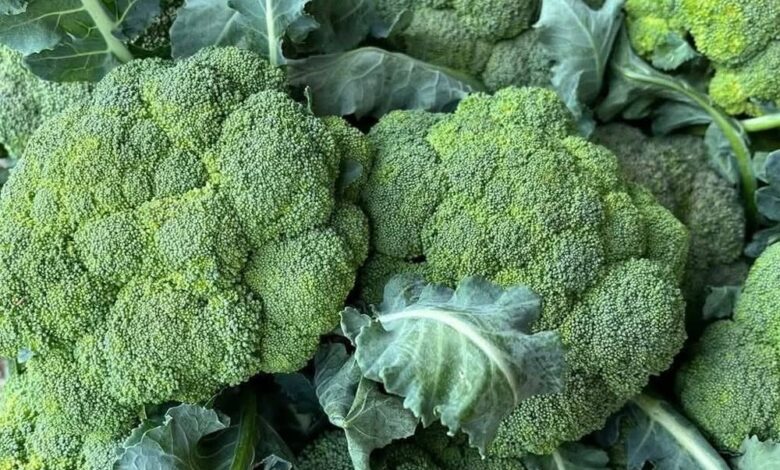
Broccoli deserves its reputation as a nutritious vegetable. It provides fiber, vitamin C, vitamin K, folate, and a range of plant compounds, and it can be part of balanced meals for both adults and children. Yet even a healthy food can cause discomfort in some circumstances. The surprising effects often blamed on green broccoli are usually about digestion, medication interactions, individual sensitivity, and preparation rather than proof that the vegetable is dangerous.
The most common complaint is gas or bloating. Broccoli contains fiber and fermentable carbohydrates that are not completely broken down in the small intestine. When they reach the large intestine, gut bacteria ferment them and produce gas. For many people this is mild and temporary. Someone who suddenly adds a large amount of raw broccoli to a low-fiber diet may notice more cramping, pressure, or flatulence than a person whose digestive system is accustomed to fiber.
Portion size and preparation can make a difference. Introducing broccoli gradually, chewing it well, and eating it with other foods may improve tolerance. Light steaming, roasting, sautéing, or boiling softens its structure and can make it easier to digest. People with irritable bowel syndrome or another gastrointestinal condition may react to amounts that do not bother others. They should use their own symptom pattern and professional dietary guidance rather than follow a universal serving rule.
Broccoli is also a cruciferous vegetable and contains compounds sometimes described as goitrogens. In laboratory discussions, these compounds can affect the thyroid’s use of iodine. That fact is often turned into an alarming claim that broccoli damages the thyroid, but ordinary servings are unlikely to create a problem for most people eating a varied diet. The issue is more relevant when someone consumes unusually large amounts of raw cruciferous vegetables and also has inadequate iodine intake or an existing thyroid condition. Cooking reduces the activity of some of these compounds. Anyone receiving thyroid treatment should ask their clinician about major dietary changes instead of eliminating vegetables unnecessarily.
A clearer and more practical caution involves vitamin K. Broccoli is a meaningful source of this nutrient, which supports normal blood clotting and bone health. People taking warfarin or a similar vitamin K antagonist are often told to pay attention to green vegetables. The goal is generally consistency, not complete avoidance. A sudden large increase or decrease in vitamin K intake can change the medication’s effect. Patients should keep their usual pattern reasonably steady and speak with the professional managing their anticoagulant before making major changes.
Very large amounts of fiber can cause digestive discomfort, especially if intake rises too quickly or fluid intake is inadequate. Claims that a normal serving of broccoli routinely causes serious mineral deficiencies go too far. A varied diet normally supplies nutrients from many foods, and broccoli itself contributes useful vitamins and minerals. People with restricted diets, digestive disease, or known nutrient deficiencies may need individualized advice, but that is different from treating broccoli as inherently harmful.
Raw broccoli can be crunchy and more difficult for some people to tolerate. Light cooking often offers a useful middle ground because it softens the vegetable while retaining much of its nutritional value. Overcooking until it is mushy is not required. A few minutes of steaming, blanching, or sautéing can improve texture and reduce the sharp sulfurous flavor. The best method is the one that makes the vegetable enjoyable and comfortable enough to eat as part of a varied diet.
Children can eat broccoli too. It should be prepared in an age-appropriate form, cooked until tender for younger children, and cut into pieces that do not create a choking hazard. Pressure and oversized portions can make children reject a food, while repeated calm exposure may help them become familiar with its taste. Broccoli is one option among many vegetables and does not need to appear at every meal to be beneficial.
The sensible conclusion is that broccoli does not secretly cause disease in most people. It can cause gas, it may need thoughtful preparation for sensitive digestion, and its vitamin K content matters for certain medications. People with thyroid disease, significant gastrointestinal symptoms, or anticoagulant therapy should seek advice tailored to their situation. Everyone else can focus on reasonable portions, variety, and the preparation method they enjoy. Balance turns the dramatic warning into a much simpler truth: broccoli is nutritious, but individual needs and consistency still matter.