TOTAL CHAOS AT THE WHITE HOUSE AS DEADLY GUNFIRE TRIGGERS EMERGENCY LOCKDOWN
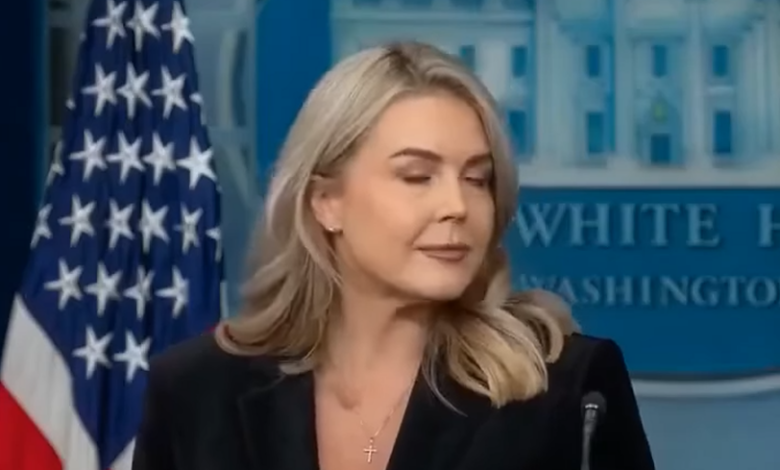
Absolute terror gripped the heart of the American capital tonight as a hail of gunfire shattered the relative calm of the White House, forcing a desperate, life or death scramble for safety. Secret Service agents swarmed the North Lawn in a terrifying blur of tactical gear and shouted warnings, while members of the press were forced to abandon their equipment and dive for cover amidst the deafening cracks of bullets echoing off the federal buildings. The most heavily guarded fortress on the planet was instantly transformed into a combat zone, with the world holding its breath as news of the unfolding attack broke.
The situation spiraled out of control in mere seconds. ABC correspondent Selena Wang, who had been in the middle of a live recording, was forced to drop everything and sprint for her life alongside panicked colleagues toward the nearest secure entrance. The press briefing room, usually a site of routine political discourse, became an impromptu bunker as heavy doors were slammed and locked from the inside. A single, steely-eyed Secret Service agent took a defensive position at the threshold, weapon drawn, as the terrifying reality of an active threat on the doorstep of the executive residence finally sank in.
Outside the gates, the scene was one of total martial mobilization. Within minutes, the streets surrounding the complex were completely sealed. Armored vehicles screeched into blocking positions, creating a rigid perimeter along 17th Street near the Eisenhower Executive Office Building. Tactical units, appearing as if from nowhere, fanned out in a synchronized display of force, while FBI personnel arrived on the scene to coordinate a massive, joint sweep of the area. The air was thick with the static of radio traffic, characterized by urgent, overlapping commands and conflicting reports that fueled the mounting sense of instability gripping the city.
Inside the White House complex, the mood shifted from confusion to a grim, disciplined containment. Journalists and staff members were ordered to shelter in place, remaining far from any windows, while communications teams worked feverishly to identify the source and precise location of the shooter. Outside, the perimeter became an impenetrable wall of steel and authority. Heavily armed teams moved with lethal precision through the corridors, clearing adjacent structures and reinforcing key access points. National Guard units were deployed to fortify the barricades, ensuring that no further threats could penetrate the heart of the government.
At the time of this terrifying security breach, President Trump was reportedly inside the executive residence. Sources suggest he was deeply immersed in high-level diplomatic discussions regarding a potential peace framework involving Iran. The jarring contrast between the quiet, cerebral work of global diplomacy happening within the residence and the sudden, visceral violence exploding on the lawn underscored the haunting fragility of stability at the very center of American power. For an hour that felt like a lifetime, the machinery of the United States government was effectively paralyzed by the actions of a single, unknown assailant.
Washington, D.C., spent the evening in a state of near-total lockdown. The capital, a city that usually thrives on the hum of activity and political theater, fell eerily silent, save for the wail of sirens and the rumble of heavy tactical vehicles. Reporters trapped inside the briefing room described a scene of stifling tension, where every creak of the building and every muffled voice outside invited a new wave of fear. Information was strictly controlled; social media activity around the perimeter was dampened as authorities scrambled to maintain control of the narrative and ensure that no sensitive operational information reached the public while the threat was still active.
As the sun began to set, the tension reached a breaking point. By approximately 7:00 p.m., the lockdown was lifted in measured, cautious stages. Official reports trickled out, confirming that a suspect was in hospital custody. However, the lack of immediate information regarding the individual’s identity, potential motives, or the exact sequence of events left a vacuum that was quickly filled with speculation. Security remained at an extreme, elevated posture, with agencies continuing their systematic sweeps of the surrounding blocks and conducting a rigorous post-incident assessment to determine how such a breach was allowed to occur.
As the heavy restrictions began to ease and the perimeter was pulled back, normal movement slowly returned to the streets of central Washington. Yet, the atmosphere was irrevocably changed. The capital felt different—heavy with the realization of how quickly a routine, historic day could collapse into a full-scale national emergency. Personnel, staff, and journalists alike reflected on the harrowing reality that they had just witnessed: the threshold of safety at the center of the world’s most powerful nation had been violated.
This incident has left Washington in a state of heightened alert, with an icy, renewed awareness of how rapidly the pillars of stability can fracture. The security protocols that were once taken for granted are now being re-examined with extreme scrutiny. For the citizens of the capital and the nation at large, the event serves as a grim reminder that no place is truly immune to the currents of violence that define our modern age. The gates of the White House may be open again, but the sense of security has been shattered, leaving a city and a country to grapple with the unnerving question of what comes next.