THE HIDDEN MESSAGE BEHIND YOUR VISIBLE VEINS AND WHY YOU SHOULD NEVER IGNORE THEM
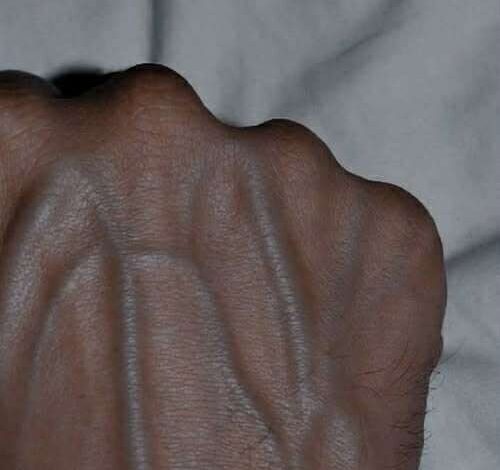
Have you noticed those jagged, blue lines crawling beneath your skin and wondered if your body is desperately trying to warn you of a looming health catastrophe? It is a sight that sends a shiver of anxiety through anyone who sees them suddenly appearing on their hands, legs, or chest, sparking a frantic search for answers. We often treat our veins as nothing more than the plumbing of the body, yet doctors warn that these surface-level changes can sometimes be the first signal of internal dysfunction. Are these markings a sign of peak athletic performance, or are they a ticking time bomb?
The sight of prominent veins can be deeply unnerving, particularly when they seem to appear overnight or become more pronounced than they have been in the past. It is an entirely natural human reaction to look at a change in our physical appearance and immediately wonder if it is a precursor to a serious medical issue. We are taught to be vigilant about our health, and when the body begins to manifest changes on the surface, we naturally worry about what is happening beneath the surface. However, the truth about visible veins is far more nuanced, and it often sits at the intersection of lifestyle, biology, and genetics rather than catastrophe.
In the vast majority of cases, the emergence of visible veins is a completely benign process, serving as a reflection of how our body is interacting with its environment. There is a wide spectrum of “normal” when it comes to skin, and what we perceive as an alarming change is often just the physiological outcome of a healthy, active, or aging body. The primary culprits behind this phenomenon are frequently the most innocent factors, yet we tend to cast them as villains because they look unfamiliar to us. When we take the time to understand the mechanics of circulation, we can often trade our anxiety for a better understanding of our own unique physiology.
One of the most common reasons for vein prominence is simply a reduction in body fat. As we lean out, whether through intentional diet, increased exercise, or the natural shifts that occur with age, the layer of adipose tissue—the fat that cushions our skin—thins. This brings the underlying circulatory network closer to the surface, making the veins appear darker, thicker, or more prominent. This is not a sign of sickness; it is often a sign of progress, especially for those who have been working hard to change their physical composition. The veins were always there; you are simply seeing them more clearly now because the protective barrier that previously obscured them has been reduced.
Exercise, too, plays a pivotal role. When you engage in intense physical activity, your blood pressure rises, and your muscles demand a greater influx of oxygenated blood. Your veins respond by dilating, expanding their diameter to accommodate the increased blood flow required by the exertion. For many athletes, this “vascularity” is a point of pride, a visible testament to their fitness levels. Even in the absence of a grueling workout, the regular habit of movement keeps the blood pumping efficiently, which can make the circulatory system appear more robust. Furthermore, temperature is a major factor; when you are in a warm environment, your blood vessels dilate to release heat and regulate your body temperature. This process makes the veins closer to the skin’s surface appear more vivid, creating a temporary, harmless aesthetic change.
As we traverse the decades, our skin naturally begins to thin, losing some of its elasticity and the structural protein known as collagen. This is a universal truth of aging. As the dermis becomes thinner and more translucent, the intricate map of veins beneath it inevitably becomes more visible. It is the physiological equivalent of a veil becoming more transparent over time. While this may feel like a departure from our youth, it is an essential part of the human journey. It does not indicate that your circulation is failing; it simply indicates that your skin is reflecting the years of life you have lived.
However, while we should avoid the trap of alarmism, it is vital to remain an informed advocate for our own health. There is a distinct line between aesthetic changes and symptoms that require medical attention. When the appearance of veins is accompanied by physical sensations, that is the moment to move from observation to action. If you experience persistent pain, a feeling of heaviness, swelling in the affected area, or noticeable changes in the color of the skin, you should not wait for these symptoms to escalate. These can be indicators of chronic venous insufficiency, where the valves in the veins struggle to push blood back to the heart effectively, leading to pooling and increased pressure.
There are also more systemic red flags that deserve a professional look. If you find that your fingers or toes are chronically cold, even in warm conditions, or if you notice that minor scrapes and wounds are taking an abnormally long time to heal, it may suggest that your circulation is not as efficient as it should be. Persistent discomfort or a dull ache that refuses to dissipate is not a normal part of aging, and it should be discussed with a medical professional. These issues are not necessarily causes for panic, but they are actionable signs that your body needs a clinical evaluation to ensure that the internal machinery is running correctly.
The key to navigating this is the practice of calm, objective monitoring. We often spend our lives ignoring our bodies until something goes wrong, but the better approach is to be familiar with your own baseline. Know what your skin looks like when you are healthy and active. Track the changes that occur after intense exercise or in hot weather. When you have a clear sense of what is “normal” for you, you will have the confidence to distinguish between a harmless, evolutionary change and a symptom that requires the expert eye of a doctor.
Ultimately, your veins are the highways of your life, carrying the vital resources that keep you functioning every second of every day. They are a complex, resilient, and beautiful network that deserves our respect, not our fear. By maintaining a balanced lifestyle, staying hydrated, moving your body regularly, and paying attention to the subtle signals your system sends you, you can support your cardiovascular health for years to come. Do not let the appearance of a few lines beneath your skin dictate your peace of mind. Use them as a reminder to be attentive to your wellness, stay informed, and enjoy the journey of living in a body that is constantly working to sustain you. When in doubt, seek out a medical opinion—not out of panic, but out of a commitment to the long-term, vibrant health you deserve.