SEVEN COMMON MEDICATIONS THAT ARE QUIETLY DESTROYING THE HEARTS OF SENIORS
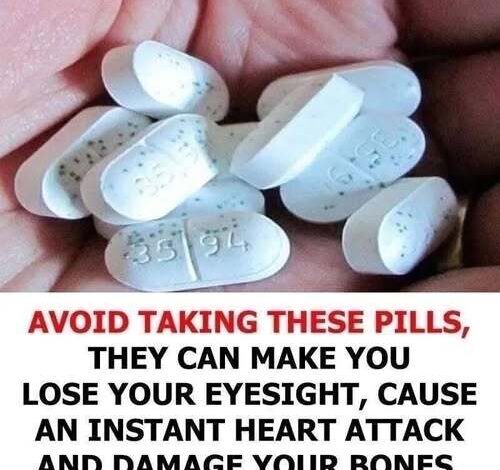
You may be unknowingly poisoning your cardiovascular system every single morning while trusting the very pills sitting on your bedside table. Millions of seniors rely on routine medications to manage the aches, pains, and ailments of aging, yet top cardiologists are now sounding a desperate alarm about seven common drugs that are silently, lethally weakening the heart. These are not obscure chemicals found in experimental trials; they are household staples that you likely reach for without a second thought. If you or a loved one are over sixty, the consequences of this overlooked medical trap could be catastrophic. Here is the life-saving truth.
As the human body ages, its ability to process medications changes significantly, and what was once a perfectly safe dosage can become a burden on an increasingly delicate cardiovascular system. When combined with existing conditions like hypertension, diabetes, or renal impairment, certain classes of drugs can exert an unsustainable amount of strain on the heart muscle. The danger lies in the subtlety; these side effects do not always manifest as immediate, sharp symptoms. Instead, they operate as a slow, corrosive force, gradually eroding heart function until a sudden, life-threatening event forces the issue into the light.
The most frequent offender is undoubtedly ibuprofen. While it is the gold standard for managing the minor aches and inflammatory flare-ups that define senior life, its long-term use is a documented cardiovascular risk. Non-steroidal anti-inflammatory drugs are notorious for raising systemic blood pressure and causing the body to hoard excess fluid. For a heart that is already working against the stiffened arteries of aging, this extra fluid retention acts as a heavy weight, forcing the muscle to pump harder with every single beat. Cardiologists are increasingly urging patients to treat these painkillers as a last resort, strictly reviewing frequency rather than defaulting to a daily regimen.
Then there is the complex world of diabetes management. Certain medications, particularly those in the thiazolidinedione class, are known to induce significant fluid buildup in the body. For an older adult, this isn’t just about swollen ankles; it is about the cardiovascular system struggling to maintain equilibrium. This accumulation can lead to chronic fatigue, persistent swelling, and, in severe cases, the sudden worsening of existing heart failure symptoms. Monitoring these patients requires a vigilant eye, as the shift from therapeutic benefit to clinical liability can happen with alarming speed.
The risks extend into the quiet hours of the night as well. Sleep aids and sedatives, frequently prescribed to help seniors navigate the frustrations of insomnia, introduce their own set of dangerous variables. These medications are not benign; they can significantly affect breathing patterns during sleep, often inducing mild respiratory depression. When the body is deprived of optimal oxygen levels, the cardiovascular system is forced to compensate, adding immense stress to the heart. Furthermore, these drugs increase the likelihood of confusion and dangerous falls, which can lead to traumatic injuries that further jeopardize a senior’s overall stability.
The world of mental health medication also holds hidden hazards. Many older antidepressants, such as the tricyclic class, have the potential to influence both heart rhythm and blood pressure. The symptoms of this interference are often dismissed as mere “getting older”—dizziness, transient weakness, or lightheadedness upon standing—but these are critical warning signs that the heart’s circulatory regulation is failing. If your body is struggling to maintain blood pressure when you rise from a chair, it is a clear indicator that your medication is interfering with the heart’s ability to respond to the demands of daily movement.
We must also be incredibly wary of the “harmless” remedies we grab from the shelf for the common cold. Decongestants containing pseudoephedrine are designed to narrow blood vessels to reduce swelling in the nasal passages, but they do not discriminate. They narrow vessels throughout the entire body, which invariably causes a spike in blood pressure. For a senior with pre-existing heart conditions, this spike is not just a nuisance; it is a clinical risk that can trigger rhythm disturbances or chest discomfort. These drugs are essentially putting the heart in a state of fight-or-flight while you are trying to recover from a simple viral infection.
Long-term reliance on proton pump inhibitors for chronic heartburn has also moved into the crosshairs of modern cardiologists. While these drugs are effective at suppressing stomach acid, their chronic use has been linked to the depletion of vital magnesium levels. Magnesium is a foundational electrolyte that is essential for the rhythmic stability of the heart and the proper function of all muscular tissue. Over time, a significant deficiency can manifest as irregular heartbeats or muscle weakness, creating a secondary health crisis that is often more dangerous than the original heartburn.
Even the medications specifically designed to protect the heart can become problematic if not carefully titrated. Certain calcium channel blockers, such as verapamil and diltiazem, are prescribed for their ability to slow the heart rate and reduce vascular resistance. However, in sensitive patients, they can be too effective, slowing the heart rate to a level that induces profound fatigue, dizzy spells, or fainting. It is a delicate, moving target, and a dosage that works perfectly at sixty-five may become toxic or ineffective by seventy-five.
The most important takeaway for any senior is that symptoms such as chest pain, severe shortness of breath, sudden fainting, or a racing, irregular heartbeat are not optional warning signs—they are urgent pleas from your body. Never treat them as mere annoyances or signs of advanced age. At the same time, the absolute worst decision you can make is to stop your medication abruptly. Doing so can cause “rebound” effects that are far more dangerous than the side effects of the drugs themselves.
The only safe, effective path forward is a comprehensive and regular review with your healthcare provider. Bring every single bottle, every supplement, and every over-the-counter remedy to your next appointment. Ask the hard questions: Is this still necessary? Are these two drugs interacting in a way that is hurting me? Is there a lifestyle change that could replace this pill? Your heart is a resilient engine, but it is not immortal. It requires a partner in its care, not an adversary. By staying informed, remaining vigilant, and fostering an honest, transparent relationship with your doctor, you can ensure that your medicine remains your greatest ally in the fight for a long, vibrant life.