The Hidden Killer In Your Bed Why Waking Up With These Itchy Red Patches Is A High Stakes Medical Emergency That Could Shut Down Your Ability To Breathe In Minutes
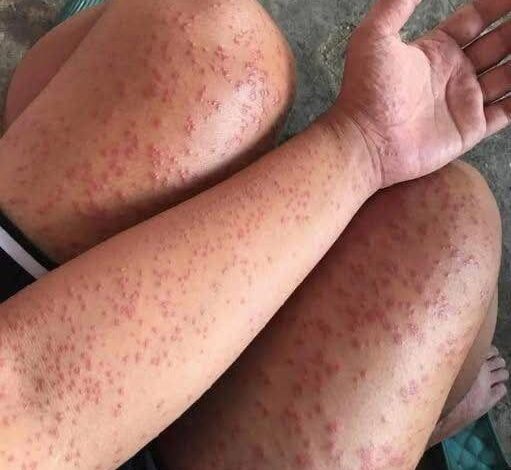
In the quiet sanctuary of our homes we often view our skin as a simple protective barrier a canvas that occasionally reacts to the world with minor irritations or temporary blemishes. We see a red patch an itchy bump or a slight swelling and we dismiss it as a fleeting annoyance that will surely vanish by morning. However the human body possesses a sophisticated and sometimes violent way of signaling that an internal catastrophe is unfolding. What many people mistake for a harmless rash or a simple case of bed bugs could actually be the opening salvo of a systemic failure known as anaphylaxis. This rapid and potentially life threatening allergic reaction is a high stakes medical emergency where the skin acts as a visible siren for a deeper more dangerous struggle occurring within the respiratory and circulatory systems. Ignoring these signs is not just a lapse in judgment; it can be a fatal mistake.
The most common dermatological herald of this internal crisis is urticaria more colloquially known as hives. These appear as raised red or pink welts that can burn itch or spread across the limbs and torso with terrifying speed. On their own hives are often manageable a sign that the body has encountered something it dislikes. But when these welts emerge in tandem with even the slightest change in your ability to breathe the situation has crossed a invisible line from a minor irritation to a critical fight for survival. The skin in this moment is no longer just irritated; it is a manifestation of an immune system that has gone into overdrive attacking the very body it is meant to protect. When the body enters this state of hyper reactivity it begins to release a flood of chemicals that can cause the airways to constrict and the blood pressure to plummet.
Breathing difficulty is the definitive warning sign that the clock is ticking. This can start as a subtle tightness in the chest a feeling as if the air in the room has suddenly grown thin or a slight rasp in the throat that sounds like wheezing. Some individuals describe a sensation of their tongue becoming too large for their mouth or their lips beginning to tingle and swell. These are not mere side effects; they are the physical markers of an airway that is slowly being obstructed. Alongside these respiratory hurdles a rapid heartbeat dizziness or a sudden wave of confusion can signal that the brain is struggling to receive enough oxygen. When hives are paired with any of these symptoms it is a clear indication that multiple systems in the body are failing simultaneously. At this point waiting to see if it passes is the most dangerous course of action possible.
The triggers for such a violent systemic response are as varied as they are common making the threat nearly impossible to predict for those who have never experienced it before. For many the culprit is found on a dinner plate—hidden traces of peanuts shellfish milk or eggs that the body identifies as a lethal threat. For others it might be a new medication an antibiotic or a common pain reliever that was meant to heal but instead triggers a cascade of inflammation. Even the outdoors can become a minefield as a single sting from a bee or a wasp can deliver a dose of venom that sends the immune system into a tailspin. Perhaps most frightening is that many people go through life completely unaware of these sensitivities until they are suddenly gasping for air in the middle of the night wondering why their skin is covered in burning welts.
One of the greatest obstacles to survival in these scenarios is the human tendency to underestimate the severity of the situation. We live in a culture that encourages us to push through discomfort and many victims of anaphylaxis have lost their lives simply because they believed they were dealing with just a rash. They think that if they lie down or take a cool shower the symptoms will stabilize. But once the respiratory system is involved the condition can escalate with breathtaking speed. An airway can close completely in a matter of minutes leading to shock loss of consciousness and cardiac arrest. The difference between a full recovery and a tragic outcome often comes down to a matter of seconds and the willingness to take decisive action before the body loses the ability to fight back.
If you or a loved one ever wakes up to the sight of spreading hives accompanied by a struggle for breath the protocol must be immediate and unwavering. Emergency services must be contacted without a single moment of delay. For those who are aware of their allergies and carry an epinephrine auto-injector such as an EpiPen this is the moment for which that device was designed. Using the injector should never be a source of hesitation; it is a life-saving tool that can temporarily reverse the constriction of the airways and buy precious time for medical professionals to arrive. While waiting for help the person should be kept lying down with their legs elevated to help maintain blood flow to the heart and brain. They must be monitored constantly as the reaction can sometimes appear to plateau before returning with even greater intensity.
It is vital to distinguish between a localized skin irritation and a systemic emergency. A simple contact allergy or a bite from a common insect might cause a localized rash that is uncomfortable but it will not typically affect your heartbeat or your breathing. The presence of respiratory distress is the red line that changes everything. Understanding this distinction is the key to personal safety. The human body is remarkably resilient but it is also fragile when its internal systems are turned against one another. By learning to recognize that a simple red patch on the skin can be the harbinger of a life threatening breathing crisis you are arming yourself with the knowledge necessary to survive.
Ultimately we must learn to respect the messages our bodies send us. The mysterious lines and welts that appear on our skin are not always just surface issues; sometimes they are a desperate plea for help from the lungs and the heart. In the complex landscape of human health being informed and acting with urgency is the only way to navigate the unexpected. What may seem like a minor inconvenience in the middle of the night could actually be a visible warning of a severe internal reaction that requires immediate intervention. By paying attention to the combination of skin changes and breathing patterns you can ensure that a scary moment remains just a story rather than a tragedy. Knowledge is the ultimate shield and in the face of a sudden allergic crisis it is the only thing that can truly save a life.