World Braces For Fallout As US Strikes Key Iranian Nuclear Sites In High Stakes Move That Has Global Leaders At Each Others Throats
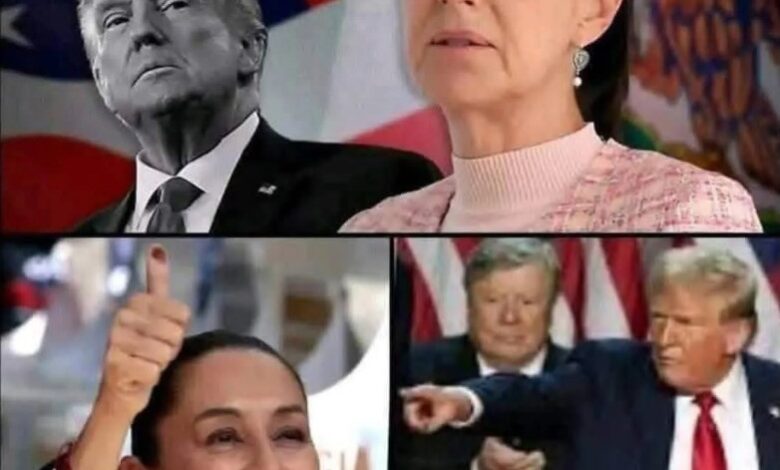
The international community was thrust into a state of profound geopolitical shock following the sudden and dramatic announcement from the United States regarding a series of targeted military strikes against critical nuclear installations within Iranian territory. According to official reports, the operation focused on three primary locations, most notably the heavily fortified Fordo facility, which has long been a focal point of international concern and diplomatic tension. President Donald Trump, detailing the mission, characterized the endeavor as a remarkably successful surgical strike, framing the action as a decisive measure intended to force a definitive conclusion to long standing regional hostilities. He asserted that the responsibility for ending the cycle of conflict now rests squarely with the leadership in Tehran, signaling a shift toward a policy of maximum kinetic pressure.
The reaction from Tehran was immediate and steeped in fierce condemnation. Iranian Foreign Minister Abbas Araghchi denounced the military action as a flagrant and unacceptable violation of international law, asserting that the strikes targeted what the nation maintains are peaceful nuclear installations. Araghchi warned that the move would carry everlasting consequences for global stability and explicitly stated that Iran reserves all options in its strategic response, a phrase that has historically signaled the potential for asymmetric retaliation or further escalation of its own nuclear capabilities. The Iranian leadership’s stance suggests that instead of being cowed by the display of force, the nation may feel compelled to demonstrate its own resilience and defensive reach, heightening the risk of a miscalculation that could ignite a broader conflagration.
In stark contrast to the condemnations from Tehran, the government of Israel offered enthusiastic praise for the operation. Prime Minister Benjamin Netanyahu lauded the decision as a historical turning point that would fundamentally reshape the trajectory of the Middle East. Netanyahu invoked the doctrine of peace through strength, arguing that the direct degradation of Iran’s nuclear infrastructure was the only viable path to ensuring long term security in a region plagued by the shadow of nuclear proliferation. From the Israeli perspective, the strikes represent a necessary correction to years of perceived diplomatic failure, validating a more aggressive posture toward what they view as an existential threat.
The global response, however, revealed deep fissures among the world’s major powers. China, a critical economic partner to Iran and a permanent member of the United Nations Security Council, issued a sharp rebuke of the strikes. Beijing argued that the operation constituted a violation of the UN Charter and undermined the sovereignty of a member state. Chinese officials urged all involved parties, with a specific emphasis on Israel’s role in regional tensions, to immediately halt any further military escalation and return to a framework of mutual respect and non-interference. This stance highlights the growing divide between Western security priorities and the strategic interests of the East, where stability is often viewed through the lens of uninterrupted trade and diplomatic sovereignty.
At the heart of the international diplomatic apparatus, United Nations Secretary-General Antonio Guterres expressed profound alarm over the potential for the situation to spiral beyond the control of any single actor. Guterres warned that the strikes could trigger a chain reaction of catastrophic consequences, potentially leading to a regional war that would devastate global markets and cause untold humanitarian suffering. He reiterated his long standing position that diplomacy remains the only viable path forward, urging world leaders to move away from the precipice of war and re-engage in the grueling work of negotiated settlements. European Union officials echoed this sentiment, attempting to strike a balance by emphasizing the absolute necessity of preventing nuclear proliferation while simultaneously pleading for restraint to avoid a total collapse of the existing international order.
The Middle East itself has become a patchwork of anxiety and outrage. Saudi Arabia, a key regional power often at odds with Iranian influence, expressed deep concern regarding the rising instability and the potential for the conflict to spill over its own borders. While the Kingdom has historically sought to contain Iranian ambitions, the prospect of an all out war in the Persian Gulf threatens the economic stability and the massive infrastructure projects currently underway in the peninsula. Meanwhile, non-state actors and groups aligned with Iran’s ideological axis—including Hezbollah in Lebanon and the Houthi movement in Yemen—condemned the U.S. action as an act of unprovoked aggression. Their rhetoric suggests that the theater of conflict may not be limited to Iranian soil, raising the specter of proxy attacks against Western interests across the maritime corridors of the Red Sea and the borders of the Levant.
Other global leaders, including those from the United Kingdom and Japan, navigated a difficult middle ground, calling for immediate de-escalation while acknowledging the complex security concerns surrounding Iran’s nuclear program. In the Western Hemisphere, nations like Venezuela and Cuba issued their own condemnations, framing the strikes as an extension of imperialist overreach. Despite the differing political motivations and cultural perspectives, a single, terrifying theme emerged from every capital: the fear that the era of managed tension has ended and an era of unpredictable, high intensity conflict has begun.
As governments around the world scramble to assess the broader implications of the strike, the global economy has already begun to react to the uncertainty. Energy markets are fluctuating wildly as traders weigh the risk of disruption to the Strait of Hormuz, the world’s most important oil chokepoint. Intelligence agencies are on high alert for cyberattacks or retaliatory strikes that could target infrastructure far removed from the physical battlefield. The strikes on Fordo and the other nuclear sites have not just destroyed physical centrifuges; they have shattered the remaining fragments of the 2015 nuclear deal and left the international community searching for a new framework to prevent a nuclear arms race in the world’s most volatile region.
The coming days will be a critical test of global statesmanship. Whether the world moves toward a renewed diplomatic effort or descends further into a cycle of strike and counter-strike depends on the ability of world leaders to navigate a landscape where the old rules of engagement appear to have been discarded. The smoke rising from the Iranian desert is a signal to every nation that the stakes of the nuclear standoff have reached a fever pitch, and the window for a peaceful resolution is closing faster than ever before. With the threat of “everlasting consequences” hanging in the air, the global community stands at a crossroads where one wrong move could change history in ways that no one is truly prepared to face.