When to Worry About Veins That Appear Out of Nowhere!
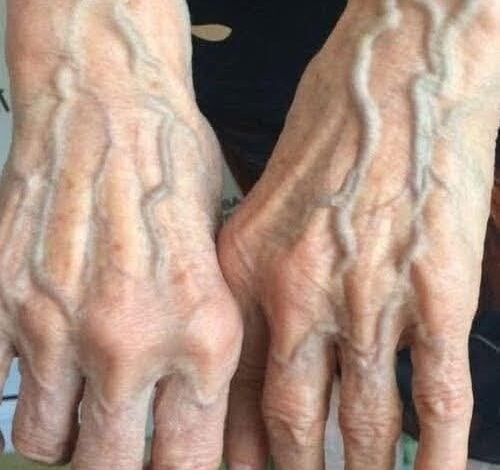
You glance at your arms or legs one morning and notice something new — veins that seem to have appeared overnight. They’re bluish, maybe slightly raised, running in patterns you swear weren’t there before. The question hits instantly: Is this normal, or is something wrong?
The truth is, veins that suddenly become more visible aren’t always a cause for concern. Sometimes it’s a harmless change tied to fitness, weather, or aging. Other times, it can signal circulation issues or underlying health problems. The key is knowing the difference.
Why Veins Become More Visible
Several natural factors can make veins stand out more than usual. Most of them are temporary and harmless, though understanding why they happen can help you know when to ignore them — and when to pay attention.
1. Low Body Fat
When body fat decreases, especially in the limbs or torso, the layer of subcutaneous fat that usually hides veins becomes thinner. This makes them look more prominent and sometimes even bulging. People who lose weight rapidly often notice this effect first on their arms and legs. It’s common among athletes, bodybuilders, or anyone who’s recently started a strict diet and workout regimen.
Visible veins in a lean body are typically a cosmetic issue, not a medical one. However, if veins appear rapidly or are accompanied by fatigue, dizziness, or unintentional weight loss, it’s worth checking for hormonal or metabolic imbalances.
2. Exercise and Weight Training
During exercise, blood flow increases to supply oxygen to working muscles. This temporary surge causes veins to swell and push closer to the surface of the skin — a phenomenon known as “vascularity.” Over time, regular strength training can make this change more permanent as muscles grow and skin adapts.
In fitness culture, pronounced veins are often seen as a badge of conditioning. But if you notice one leg or arm becoming much more veiny than the other, or if veins remain swollen long after a workout, that could suggest an issue with circulation or vein valve function.
3. Hot Weather
Temperature plays a big role in how your veins behave. In warm environments, your body works to cool itself by dilating (widening) blood vessels near the skin’s surface. This dilation allows more blood to pass through and release heat, but it also makes veins look larger and more visible.
The effect is temporary. Once you cool down, veins should return to normal. But if they stay enlarged or if you notice accompanying swelling or discomfort, it could hint at vein insufficiency — where blood has trouble flowing back up toward the heart.
4. Aging and Skin Changes
As we age, our skin loses elasticity and collagen, becoming thinner and more translucent. This natural process allows underlying structures like veins to show more easily. Combine that with decades of gravity and everyday wear on the vascular system, and visible veins become almost inevitable.
Aging veins may also become more twisted or rope-like, especially in the legs. This can lead to varicose veins — enlarged, often painful veins caused by weakened valves. While not always dangerous, varicose veins can cause aching, heaviness, and swelling if left untreated.
When It’s Time to Worry
Not every visible vein is benign. Some changes are red flags worth medical attention. Watch for these signs:
- Sudden appearance of bulging veins in one limb but not the other
- Pain, throbbing, or burning sensations along a vein
- Skin discoloration around the area — bluish, purple, or reddish tones
- Swelling, warmth, or tenderness in the legs or arms
- Sores or ulcers near the ankles or calves that heal slowly
- Shortness of breath or chest pain accompanying new, swollen veins (possible sign of deep vein thrombosis, a medical emergency)
If any of these symptoms appear, don’t wait. Get checked immediately. Circulatory issues can escalate quickly, and early intervention can prevent serious complications like blood clots or vein collapse.
Understanding Vein Disorders
Two of the most common medical conditions behind problematic veins are varicose veins and spider veins.
Varicose veins are enlarged, twisted veins caused by faulty valves that allow blood to pool instead of flowing smoothly back to the heart. They usually appear on the legs and can cause heaviness, itching, or aching.
Spider veins, on the other hand, are smaller and closer to the skin’s surface. They look like red, blue, or purple webs or branches. They’re usually painless and more of a cosmetic concern, but sometimes they signal early circulatory strain.
In rarer cases, prominent veins can point to deeper issues like deep vein thrombosis (DVT), where a clot forms in a deep vein, usually in the leg. This condition is dangerous because clots can travel to the lungs, causing a pulmonary embolism. Warning signs include sharp leg pain, redness, and sudden swelling. DVT always requires urgent medical treatment.
Prevention and Care
If your veins are appearing more prominently and it’s not due to exercise or temperature, small lifestyle adjustments can help protect your vascular health:
- Stay active. Regular movement improves blood flow and prevents pooling. Simple activities like walking or stretching during long desk hours make a difference.
- Avoid long periods of sitting or standing. If your job keeps you in one position, take brief movement breaks every hour.
- Elevate your legs when resting. This helps blood return to the heart and reduces pressure in leg veins.
- Maintain a healthy weight. Extra weight strains veins and worsens circulation issues.
- Stay hydrated. Dehydration thickens blood, making it harder to pump efficiently.
- Wear compression stockings if recommended by your doctor. They support vein walls and improve blood flow.
For cosmetic concerns, medical treatments like sclerotherapy, laser therapy, or minor surgical procedures can safely reduce visible veins. However, these should always be guided by a vascular specialist — not by quick-fix internet products or “miracle” creams.
When to See a Doctor
Book an appointment if:
- Your veins have changed color or texture.
- Pain or swelling persists beyond a day or two.
- You notice new veins developing rapidly without a clear cause.
- There’s a family history of clotting or varicose vein disease.
A vascular ultrasound can assess blood flow and detect blockages or valve problems early.
The Bottom Line
Veins that appear suddenly aren’t always a medical crisis. Often, they’re your body reacting to lifestyle, environment, or aging. But they can also be the first visible sign of deeper circulatory trouble. The key is context — noticing what else changes along with them.
Your veins are not just visible lines under the skin. They’re a living map of your circulation, health, and habits. Treat them as signals. If they start to change shape, color, or behavior, it’s worth listening. Sometimes, your body speaks quietly before something serious happens.
Ignoring it? That’s when veins stop being harmless — and start being a warning.