What to Check When You Find a Small Spot Beneath a Childs Hair
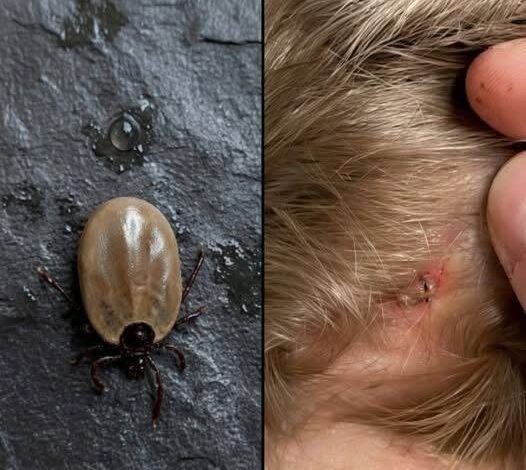
The Facebook post asks readers to identify a small creature found on a child’s head. The accompanying collage shows a rounded, swollen-looking creature in one panel and a small spot in the hairline in the other. The linked article describes a family that noticed a changing spot beneath a daughter’s hair, but its available text does not identify a diagnosis. Those details leave two different questions open: whether an attached creature is present and what caused the skin change. Neither can be answered conclusively from the collage alone.
A tick can be easy to miss where hair covers the skin. The CDC includes the hair and the area around the ears among the places to check after spending time in areas where ticks live. Someone who sees a raised spot can part the hair in good light and look carefully for anything attached. The appearance of a detached creature in a second panel does not establish that it came from the same scalp or that it caused the spot in the first place. If there is uncertainty about whether an object is attached, a healthcare professional can help assess the area directly.
For a tick that is visibly attached, the CDC recommends removing it promptly with clean, fine-tipped tweezers. Grasp the tick close to the skin and pull upward with steady pressure. Avoid twisting or jerking it, and clean the bite area and your hands afterward. The CDC advises against using petroleum jelly, nail polish or heat to make a tick detach. Keeping a note of when and where the bite may have occurred can help a clinician if symptoms develop. These steps apply to a confirmed attached tick and do not provide a way to diagnose an unexplained scalp spot.
A bump that remains after the hair is parted has to be assessed on its own terms. Its size, tenderness, whether it is changing, and whether the child has other symptoms are more useful to a clinician than guesses in a comment thread. A photograph taken at a clear angle and in good light may help show changes over time. If the area is painful, worsening, or accompanied by other symptoms, contact a healthcare professional for advice. If a rash or fever develops in the days or weeks after removing a tick, the CDC recommends seeing a doctor and describing the possible exposure.
The image and the linked story are both reminders that it can be difficult to see what is happening underneath hair. They give readers a reason to look closely and seek help when the cause is unclear. The public Facebook material cannot establish a species, confirm a tick bite, or name the diagnosis that the linked article teases. Treating the two panels as clues instead of a diagnosis makes it easier to decide what information is still needed and which next steps are appropriate.
CDC guidance on attached ticks: https://www.cdc.gov/ticks/after-a-tick-bite/
If you kept a photo of the tick, mention it when you call the clinic. The image may help a clinician decide what follow-up questions to ask.