Joe Biden gives prostate cancer update
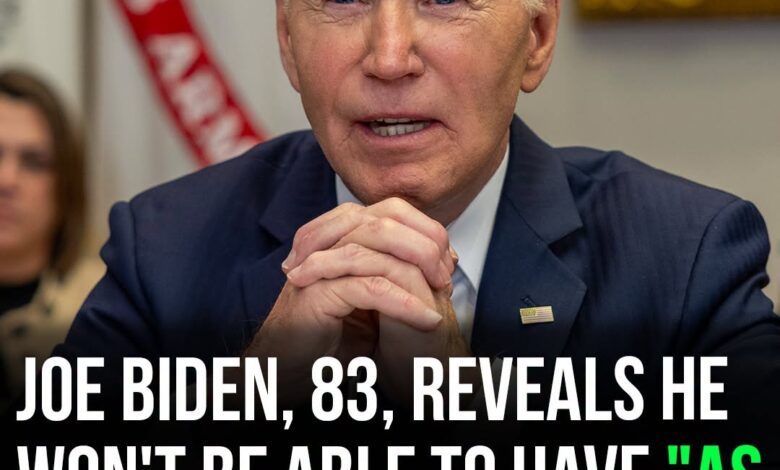
Joe Biden’s cancer battle is changing what he can do each day. Ahead of his memoir’s release, the former president says illness has left him facing limits, even as doctors remain encouraged.
Former President Joe Biden says prostate cancer will prevent him from holding as many conversations about his upcoming memoir, Promise Me, America, as he had hoped. In a Sunday post on X, he described an uneven daily reality: “Some days are better than others.” He said his doctors remain encouraged by his response to treatment and thanked those whose prayers and kindness have supported him, Jill and their family. The book, due November 17, reflects on his presidency from 2021 to 2025.
Biden announced his diagnosis in May 2025, when his office said the cancer had spread to his bones but was hormone-sensitive. He completed radiation treatment that October. For a family that lost Beau Biden to brain cancer in 2015, the illness carries particular heartbreak. Yet Biden closed with his father’s words: “Champ, when you get knocked down, get up”—a lesson he offered to himself and the country.
The update was prompted in part by expectations around the book. A memoir can bring requests for interviews, public events, and conversations with people who want to hear the author discuss the decisions it describes. Biden said he had hoped to do more of that. His message asks readers to understand that the schedule he imagined has had to change because of the illness.
His description of some days being better than others is the clearest account the passage gives of how that change feels. It does not identify particular symptoms or say what he is able to do on each day. It conveys that an appearance planned in advance can be difficult to promise when daily capacity varies. That is why his statement concerns the number of conversations he expects to hold, alongside his doctors’ reported encouragement about his response to treatment.
The two pieces of information can be read together. A report of encouragement from doctors is an update about the course of care as he described it. The decision to reduce appearances concerns what he can take on in public. The account gives no more detailed prognosis. It leaves medical questions with the people treating him and gives readers the explanation he chose to offer about his plans.
The book provides another part of that context. It reflects on the years he served as president. Readers who want to engage with that period can still do so through the work itself. The number of conversations around it may be different from what Biden originally expected. His announcement brings the two developments together without suggesting the illness changes the years the memoir covers.
The note of thanks to people who supported him and his family gives the update a personal ending. The memory of Beau’s illness is part of the family history identified in the account. The words Biden remembered from his father are part of how he chose to describe his response now. Together they explain why the update reads as more than a scheduling announcement. He was telling readers what he expects to do, what has become harder, and what has helped him face the change.