Back to the Future actor dead at 89
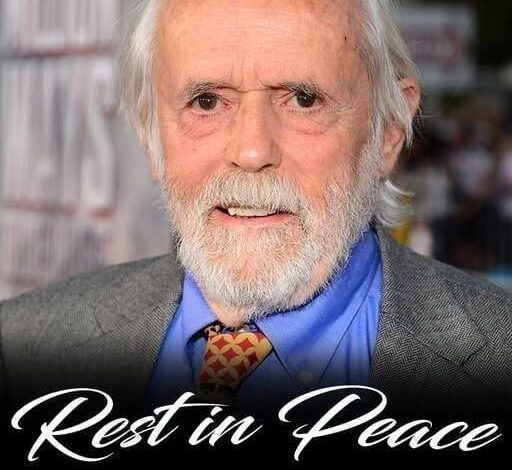
Hollywood has lost a face that made its stories feel real. Matt Clark, the quietly commanding actor behind more than 120 screen roles, has died at 89 after complications from back surgery his family described as routine.
Matt Clark’s gift was making a supporting character feel like someone who had lived an entire life before the camera arrived. As bartenders, sheriffs, ranch hands, and drifters, he gave Hollywood’s imagined worlds a lived-in authenticity. His appearance behind the bar in “Back to the Future Part III” remains especially recognizable, but his career reached deep into American Westerns, including work alongside John Wayne and Paul Newman. He could anchor a scene without needing to dominate it.
Beyond the screen, the portrait shared of Clark is equally grounded: a man who built his own house, sustained friendships for sixty years, and valued his craft above celebrity. His family’s loss reaches beyond the performances audiences remember. They mourn the person whose hands built a home and whose presence shaped their lives. For viewers, his legacy remains in the films themselves—familiar scenes made richer by an actor who understood the power of restraint.
A supporting role often has only a few moments in which to establish who a person is and how they fit into a story. Clark could do that through the way he stood behind a counter, looked at a visitor, or delivered a line with the familiarity of someone who had spoken in that room for years. Those choices allowed viewers to believe in a place beyond the action immediately in front of them. The bartender had work to do before the main character arrived, and the audience could imagine him returning to it after the scene ended.
That quality helps explain why his appearance in Back to the Future Part III remains recognizable. The film sends familiar characters into a Western setting, where each person they meet helps establish the world they have entered. A grounded performance can make the setting feel coherent even when the wider story depends on fantasy. Clark’s place behind the bar belonged to that work of making an invented town feel inhabited.
The source also situates his career alongside Westerns featuring John Wayne and Paul Newman. The names give a sense of the company he kept on screen, while the range of jobs he portrayed explains the texture he brought to those films. A ranch hand, a sheriff, and a drifter each stand in a different relationship to the people around them. He could suggest that relationship quickly, without taking attention away from what the scene needed to accomplish.
The details shared by his family offer a different view of a long working life. Building his own house required practical attention over time. Maintaining friendships for sixty years speaks to relationships that ran alongside the many roles audiences saw. Those details do not turn his private life into another performance. They show why the loss felt by those close to him extends beyond any filmography.
Viewers will continue to encounter him in films where they may recognize a face before they remember a name. That is an ordinary experience with a character actor whose work reached across six decades. It is also a measure of what he did well. The people he portrayed belonged to their stories so completely that the scenes could feel familiar long after the credits had passed.